
From Alice to Currawinya and home.
(Click on photos to enlarge.)
Leaving the Oodnadatta and heading back towards the Stuart Highway, the Painted Desert is a fine example of art in nature. With its hills and mesas of different colored sands against a wide desert and gibber plain backdrop, it’s almost impossible to take a bad photo here!

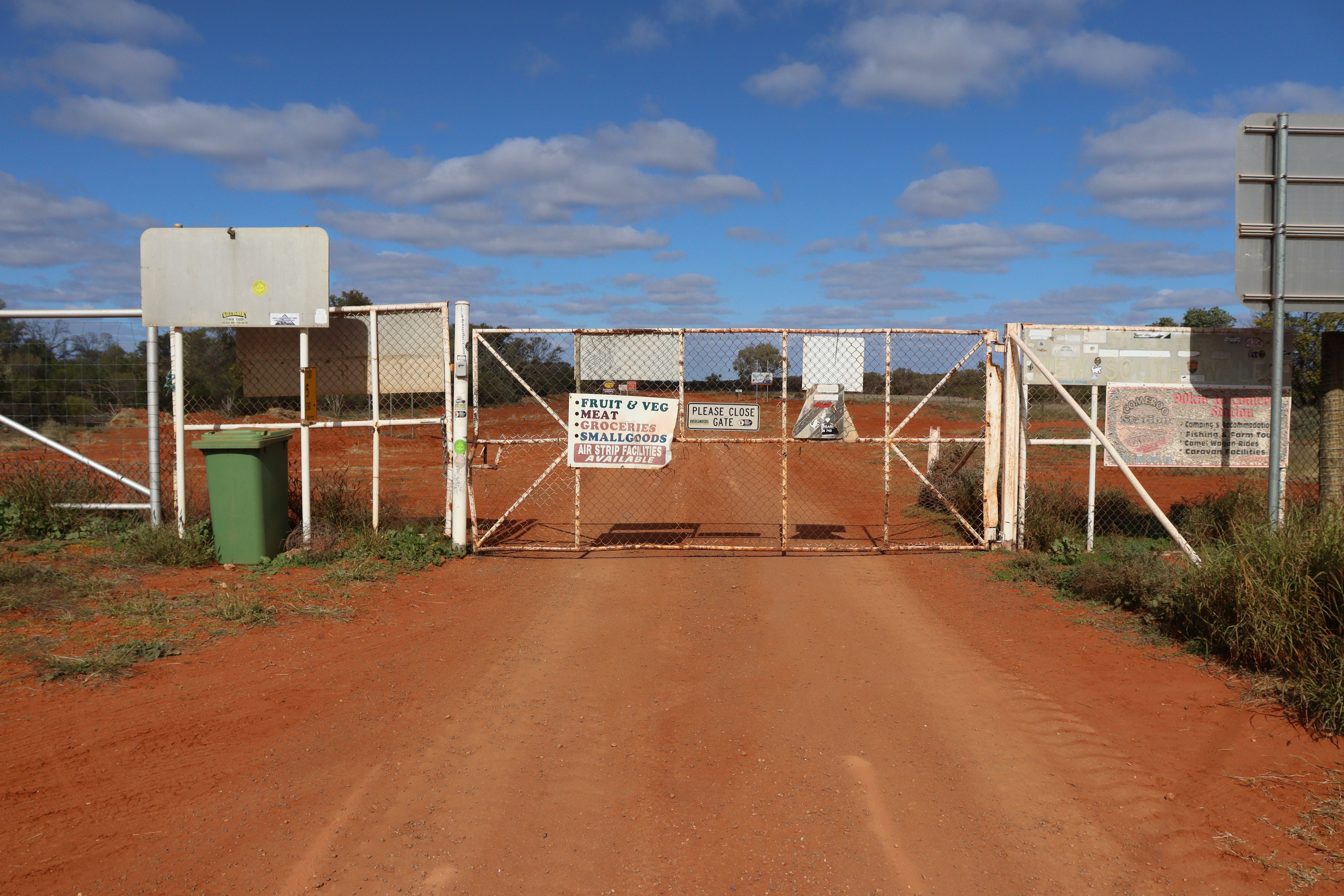
North of Alice Springs, we turned off onto the Plenty Highway for the 700-plus kilometre drive back into Queensland. As with many of our outback roads, this is a “highway” in name only, as only the first 75 or so kilometres are sealed, with the rest of the road being dirt, red sand or gravel and ranging from smooth to quite corrugated. But again, it is a trip worth doing, and for us more appealing as it is a “road less travelled.” Three cattle stations along the way offer camping with amenities -including a bar at two of them! – so, it’s not as remote as it might seem.
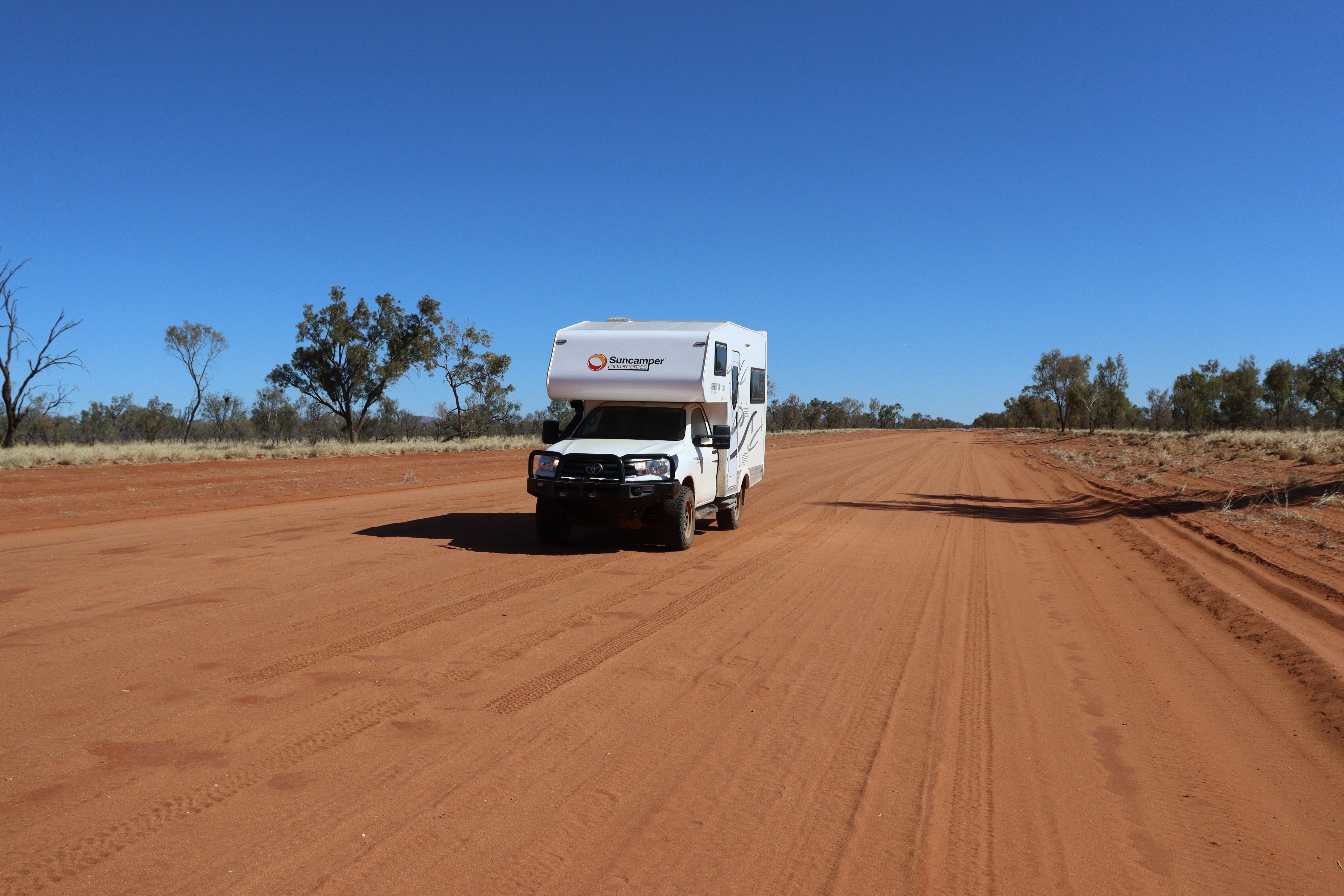
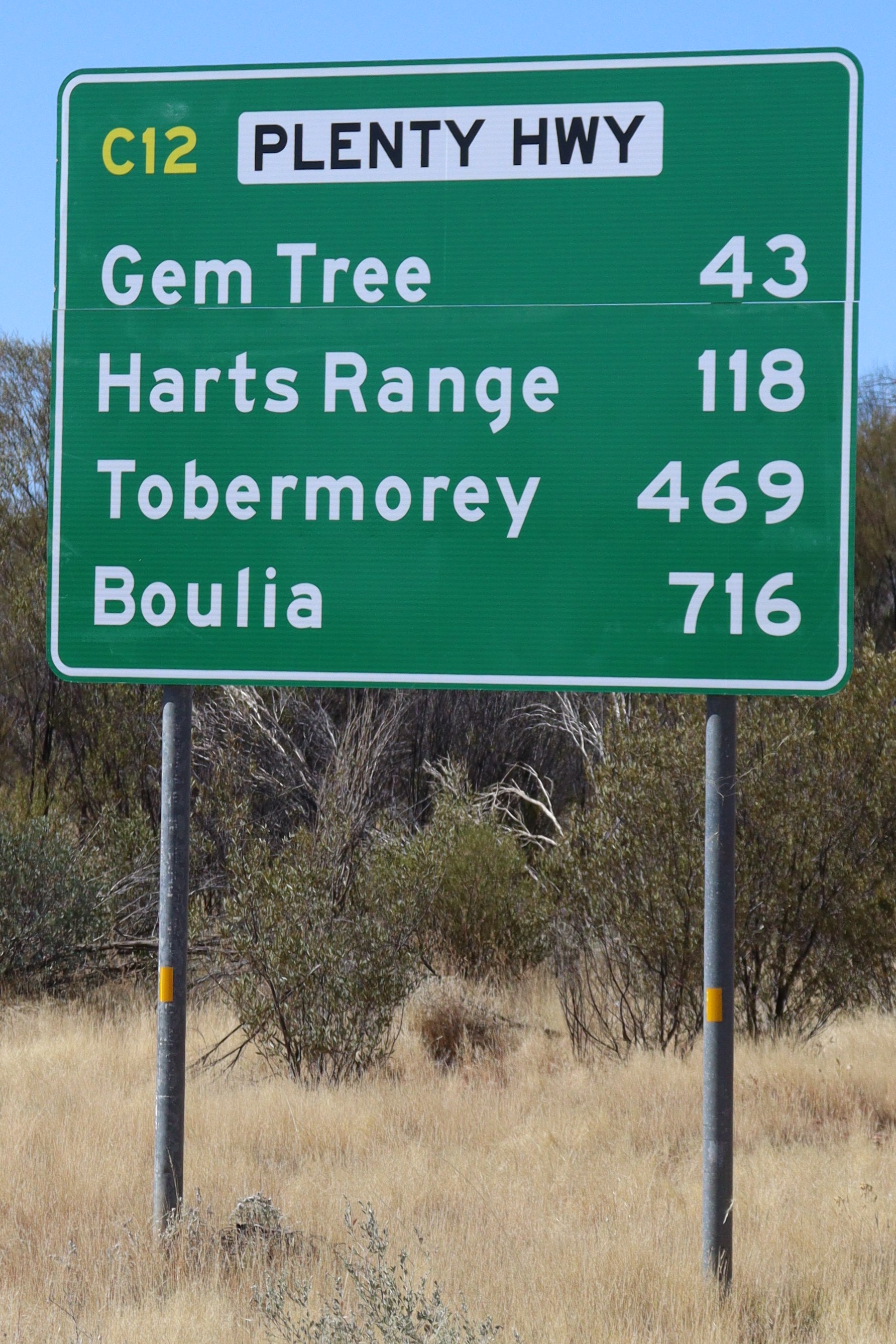

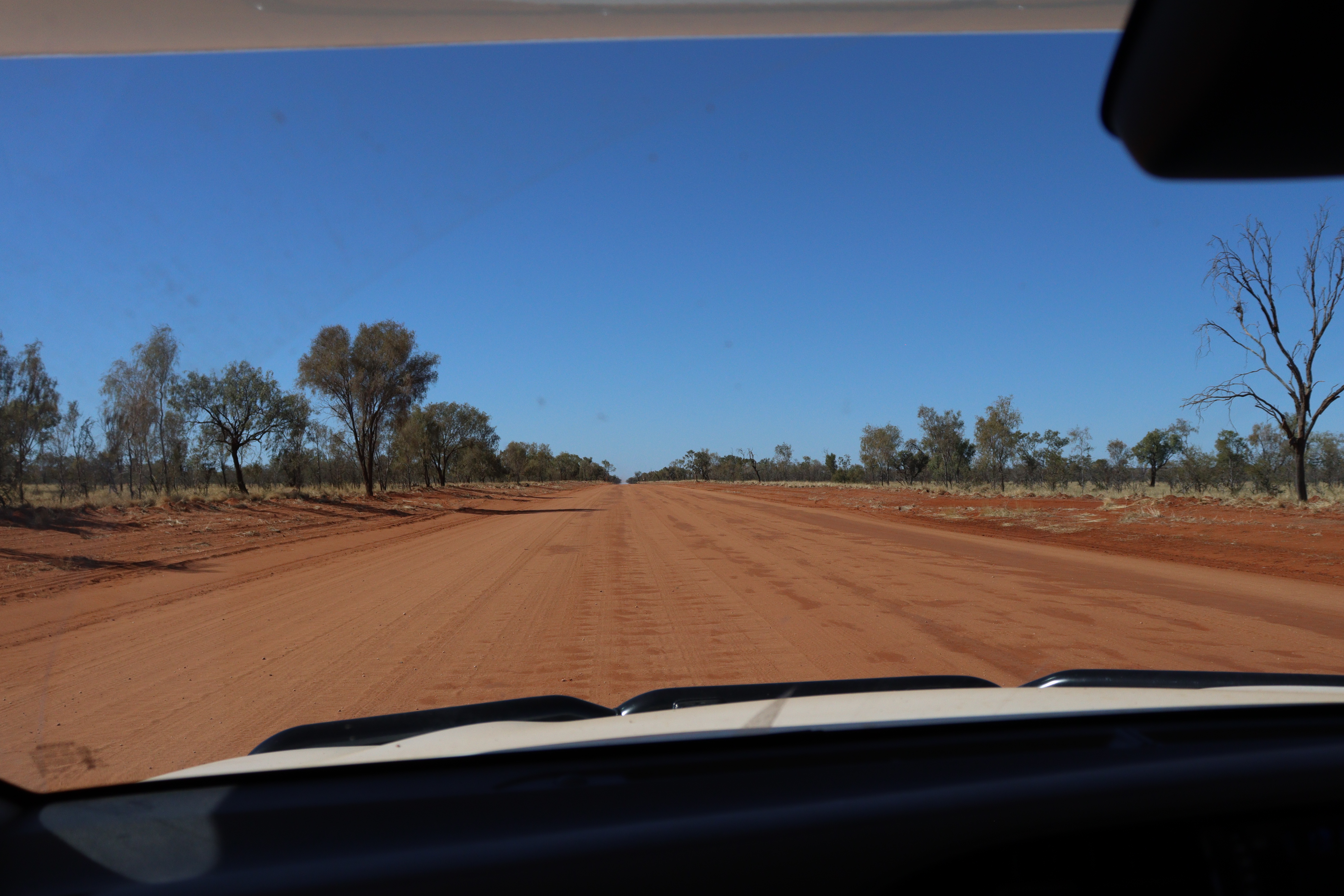
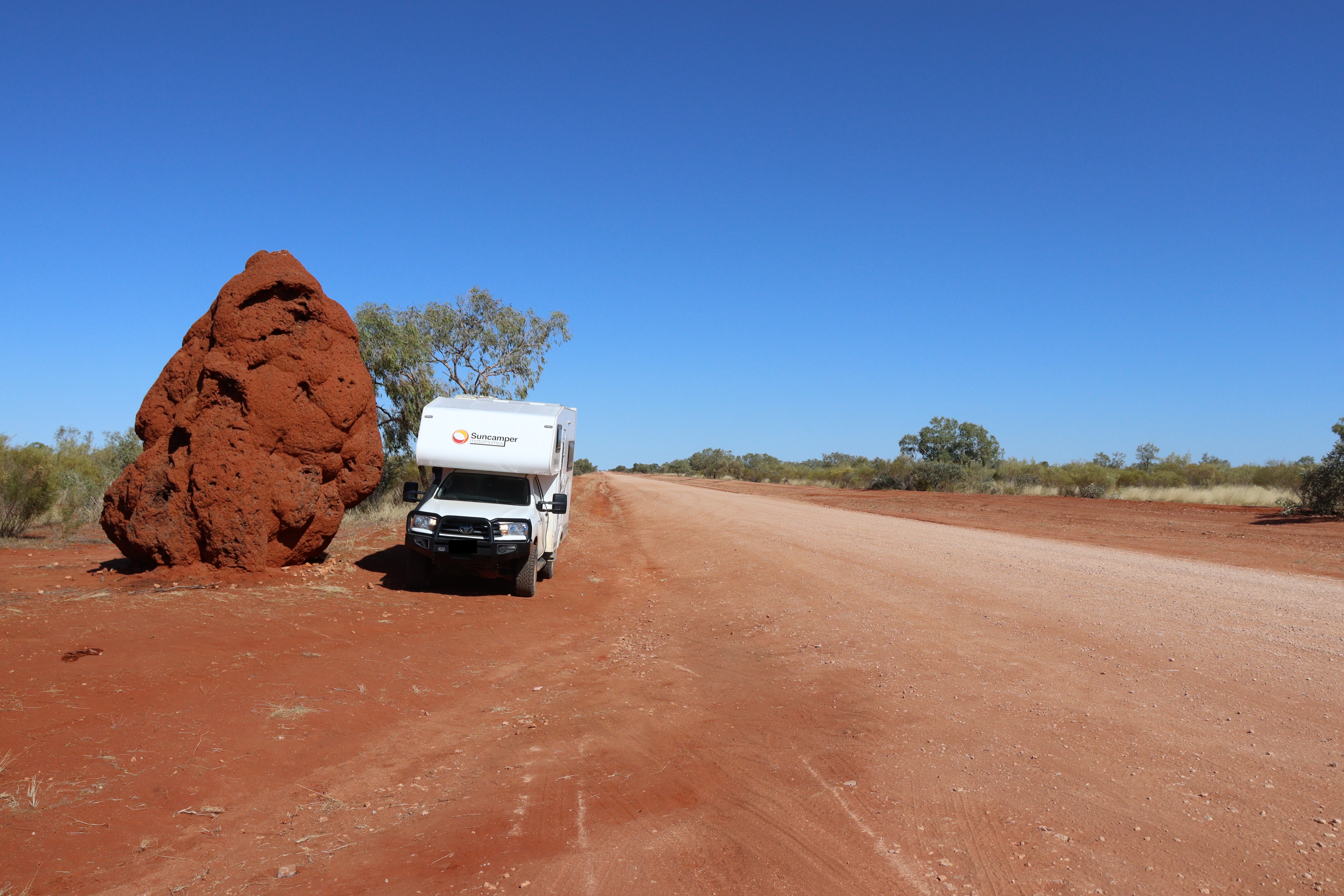

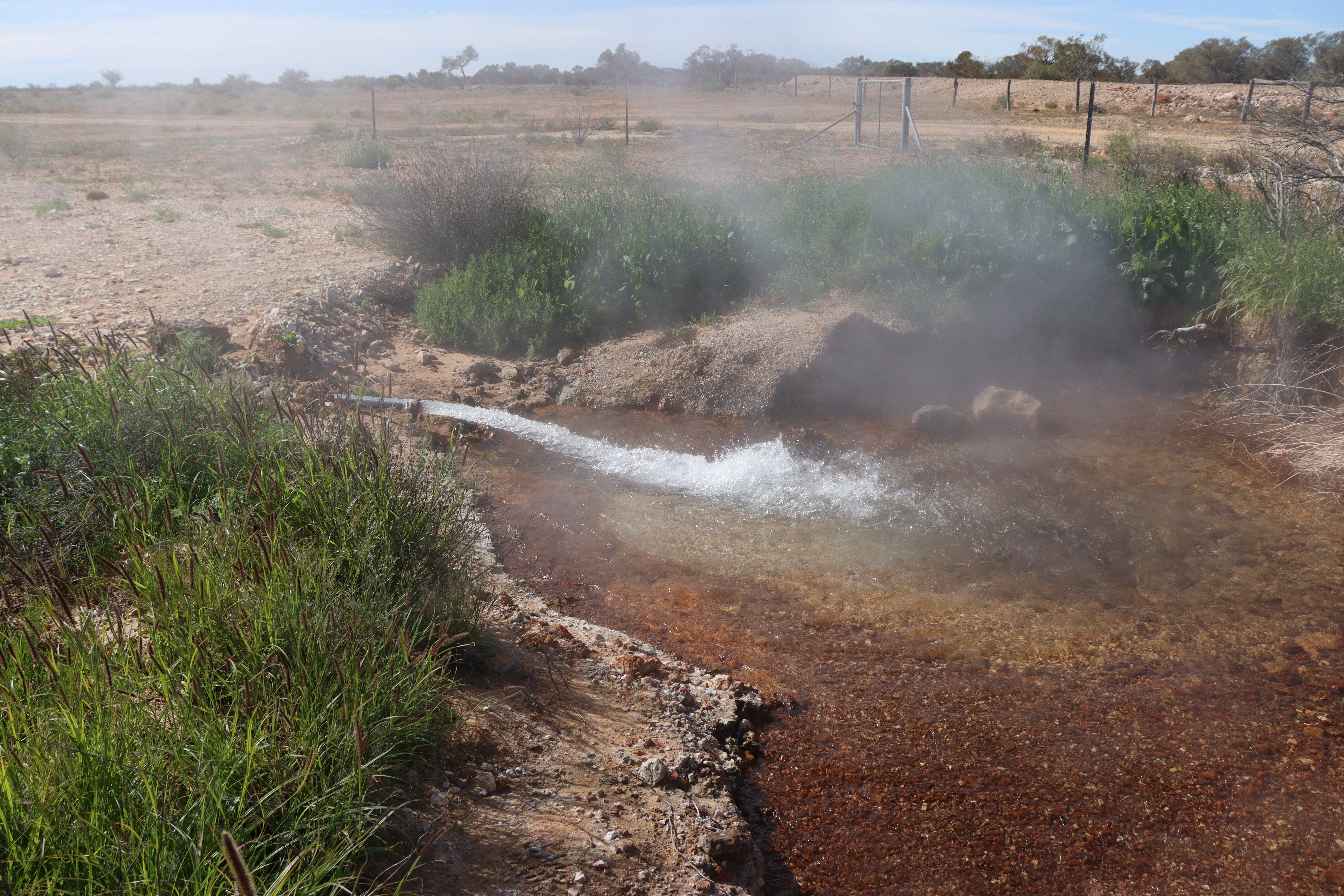
Once into Queensland, we headed through the three Bs – Boulia, Bedourie and Birdsville, passing through fairly quickly aiming to avoid the ten thousand or so music fans heading to Birdsville for the Big Red Bash music festival – too many people for us!! Stopped in at Carcory Ruins and Carcory Bore for a look – love this spot where water from the Great Artesian Basin deep below ground comes to the surface in a constant steaming hot stream flowing into several pretty pools. Tempting for a hot bath but I think the water is still too hot at 85°C, although several hundred metres downstream it’s supposed to be cooler.
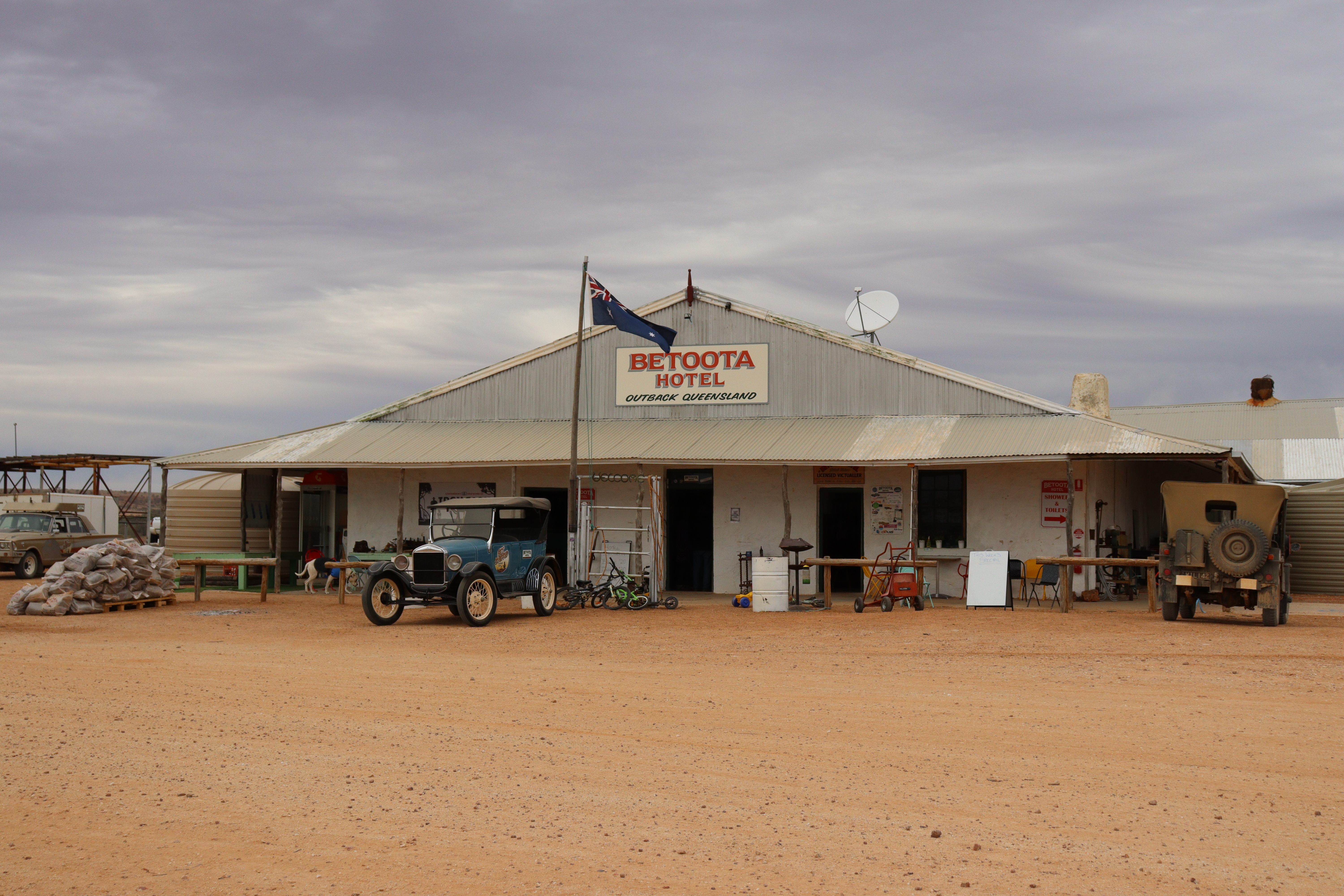

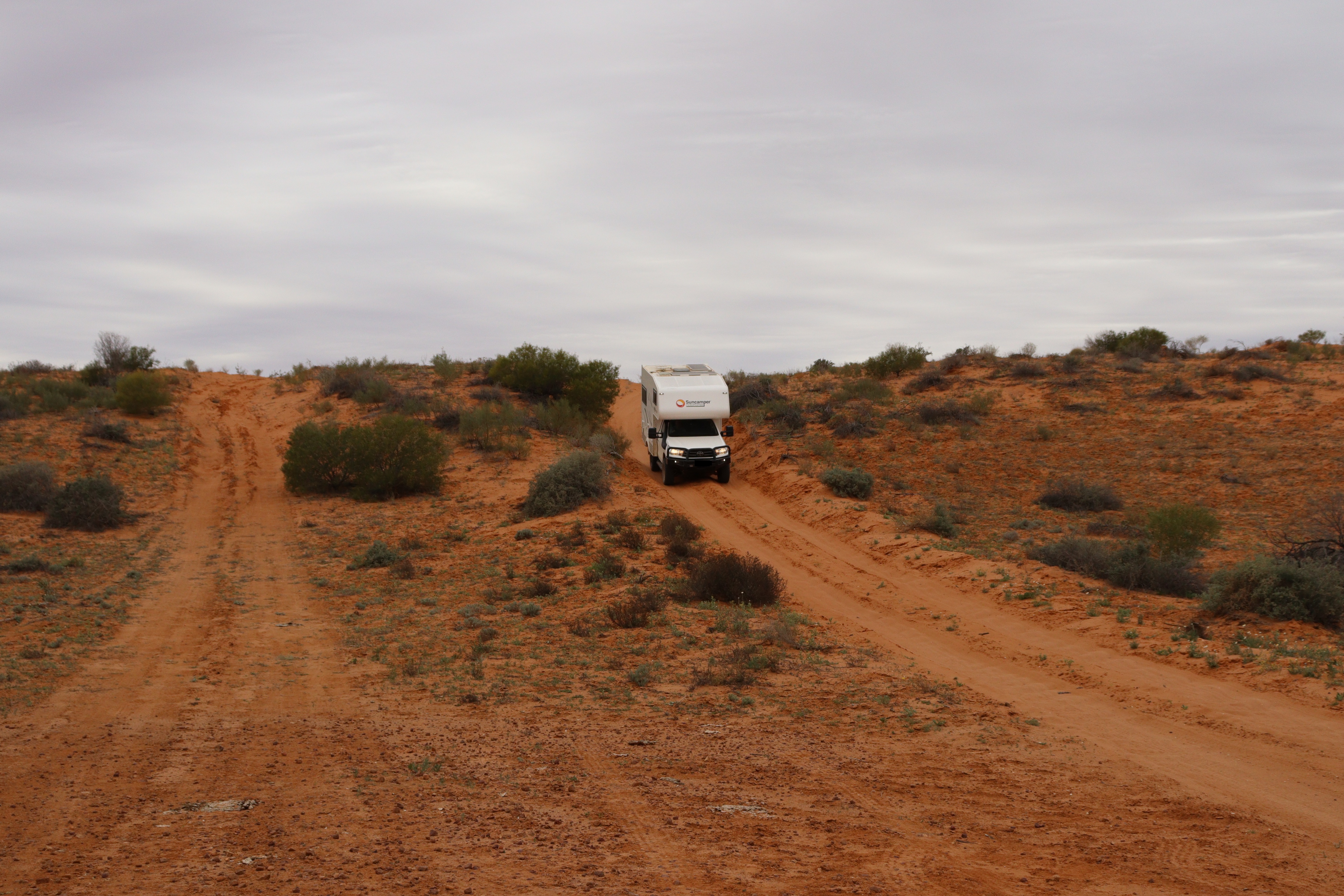
After quick stops at the iconic Betoota Hotel and Deon’s Lookout, we turned down the Arrabury Road heading for Innamincka, and took a side trip to visit Haddon Corner, where Queensland and South Australian borders meet. Taking this side track is a 30-kilometre round trip on a relatively formed track over several red sand dunes, but in the end its quite a long drive to go and see a POST!

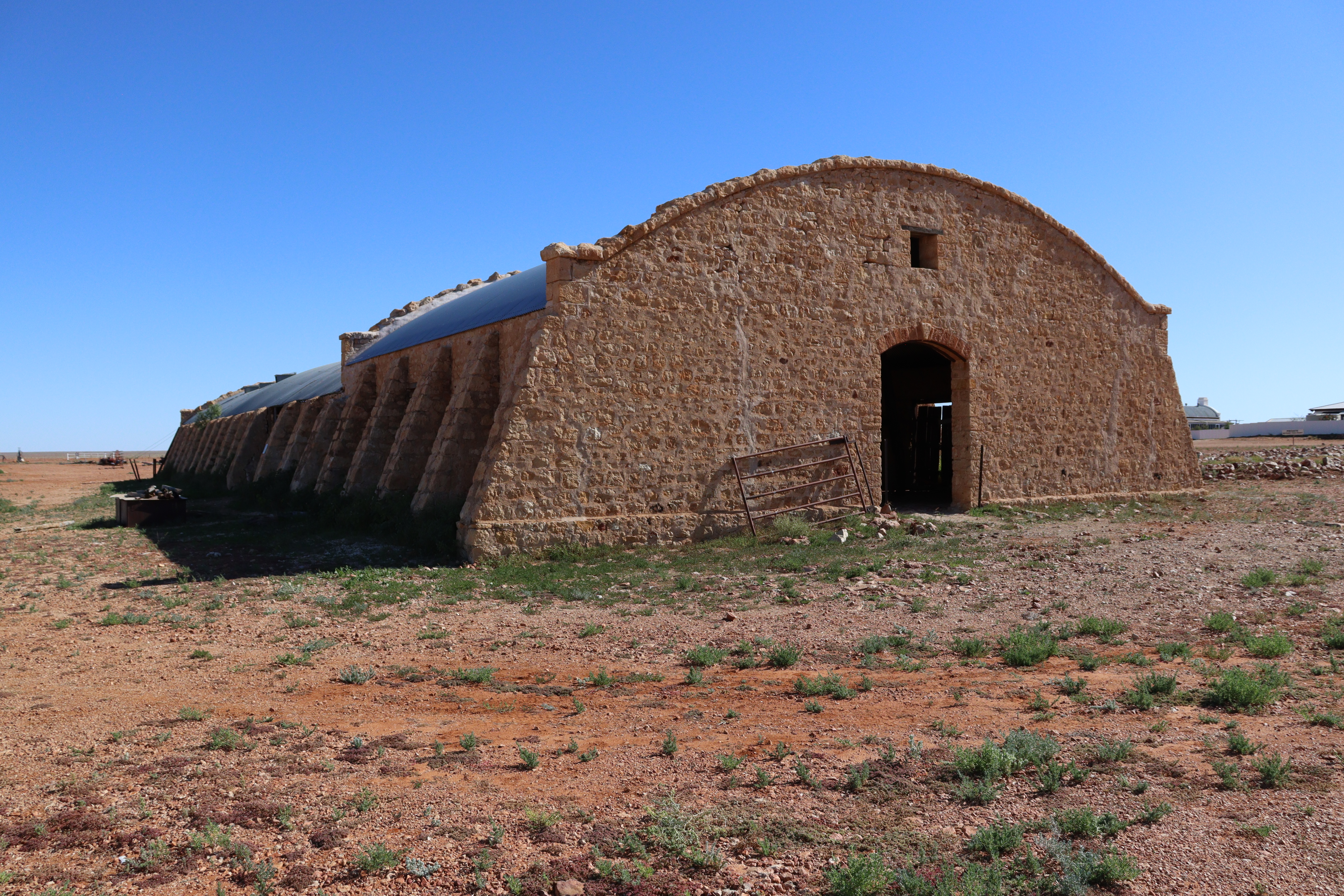
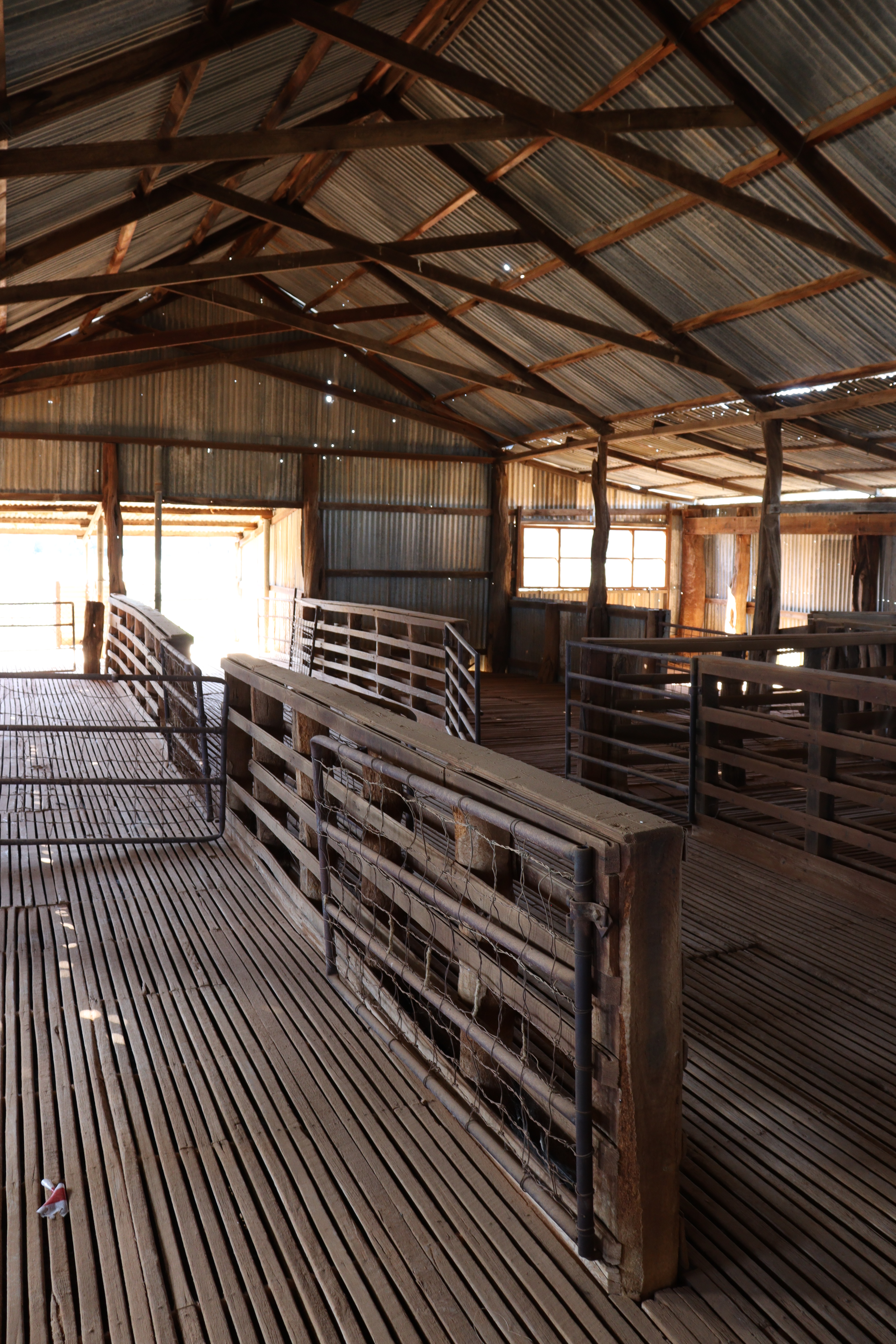
From the Arrabury road we took another detour and drove up to Cordillo Downs Shearing Shed with its unusual sandstone buttress walls and curved roof. Dating back to 1883, this shed once boasted 88 stands (up to 120 stands in 1890) with a record number of 82000 sheep shorn in the 1888 season – all with hand shears!!
Innamincka is Burke and Wills country so of course we visited the famous Dig Tree, made famous through the ill-fated Burke and Wills expedition of 1861-2, then down into Innamincka “township”, where the Cooper and Strzelecki Creeks had well and truly broken their banks and had cut all roads except for the main one in and out of town. After all the rain that had been around it wasn’t surprising, but it was certainly a sight to see the Cooper Creek covering the causeway for several hundred metres, and the resulting greenery and wildflowers that had sprung up everywhere.
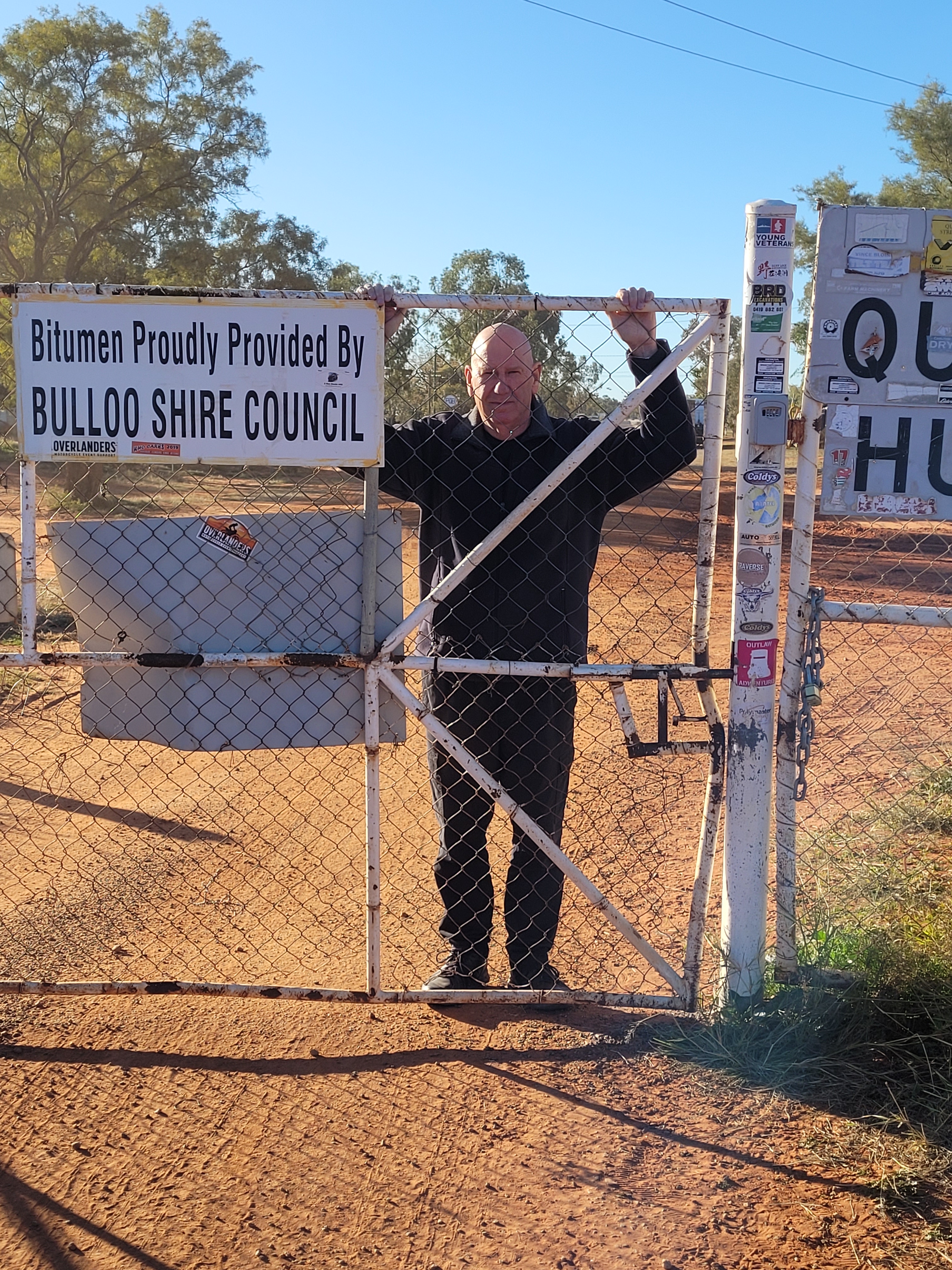
Taking the Strzelecki Track out of Innamincka, we were somewhat surprised at the extent and number of bitumen sections, but even more surprised when we came to a “Stop & Go” man with his sign to hold up the traffic for roadworks!

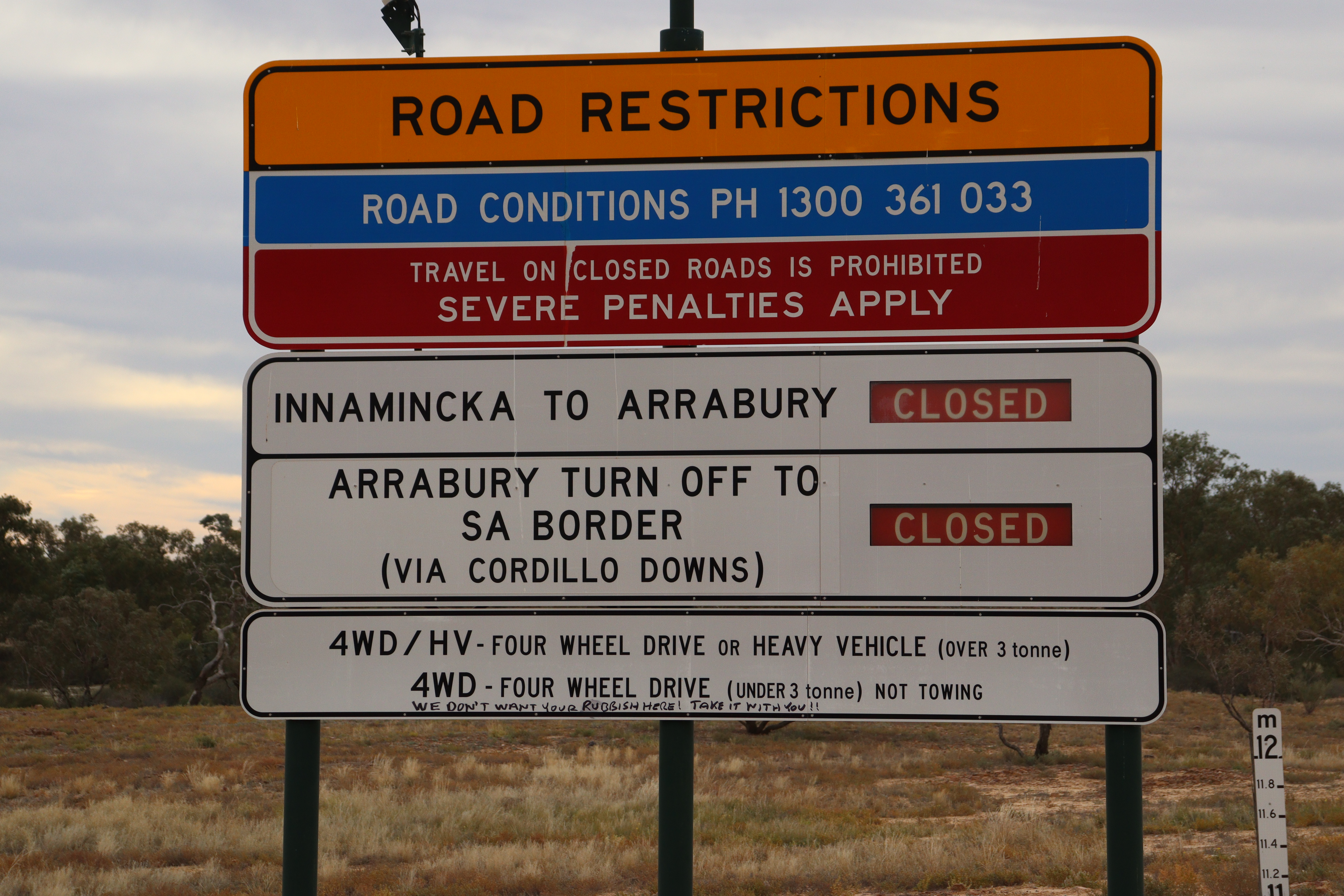
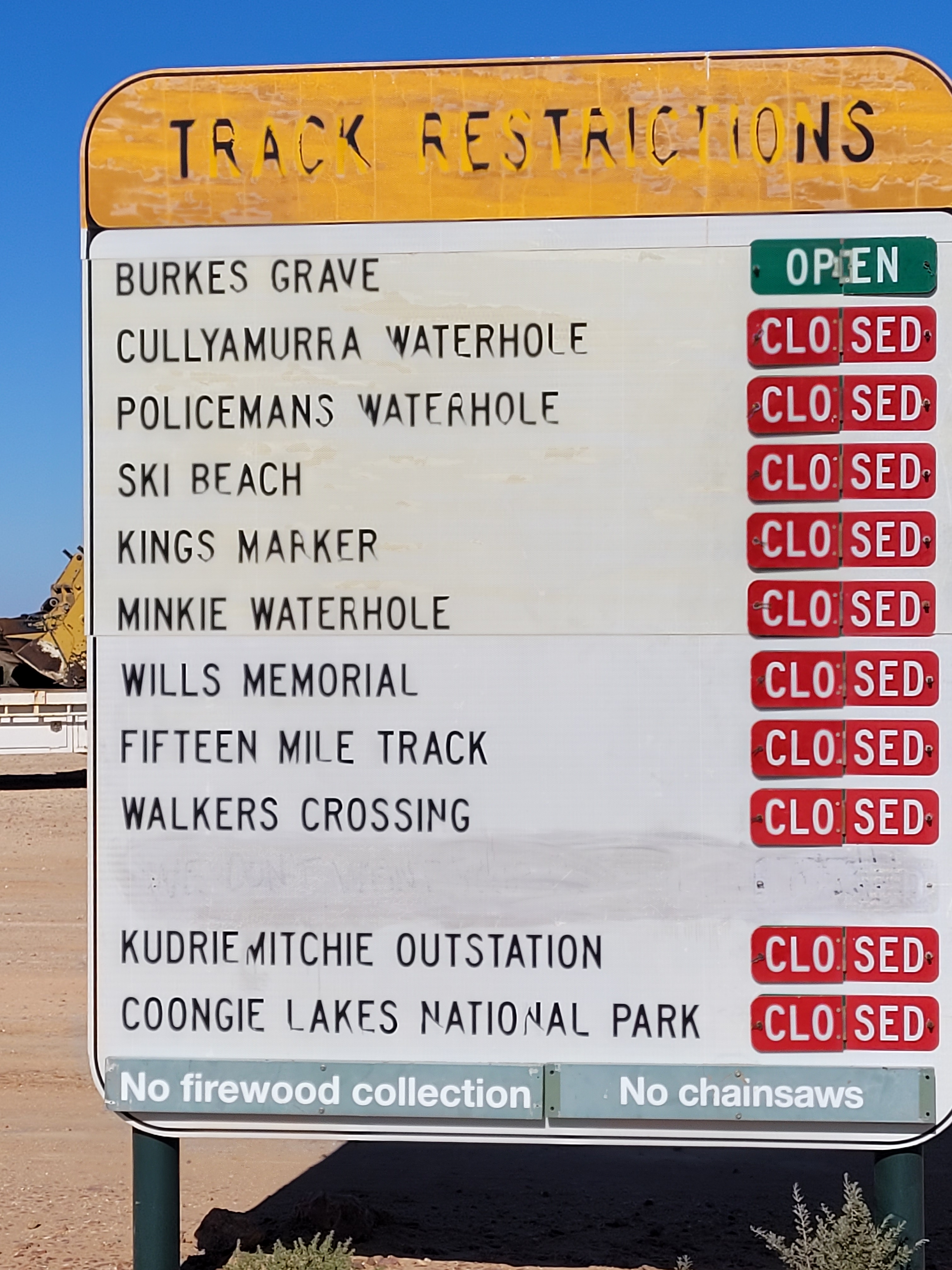

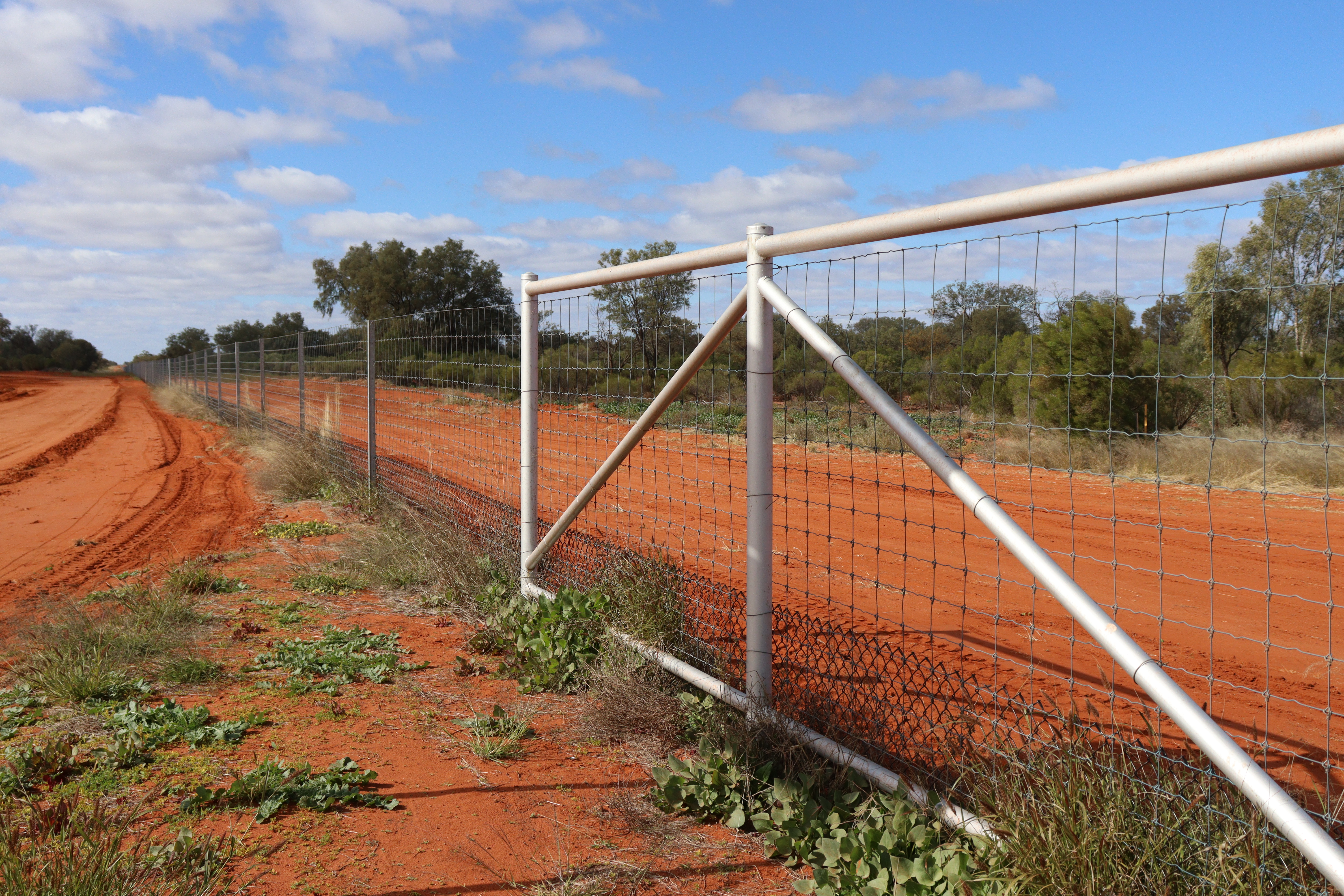
Cameron Corner marks the meeting point of Queensland, New South Wales and South Australia and also the northern entry to Sturt NP, which is home to the Wild Deserts program. This is a partnership between the NSW Government, UNSW, NSW National Parks & Wildlife Service and Ecological Horizons aiming to understand, promote and manage desert ecosystems through experiments, fieldwork, monitoring and management of feral species, and reintroduction of endangered species within their specialised feral-proof enclosures.
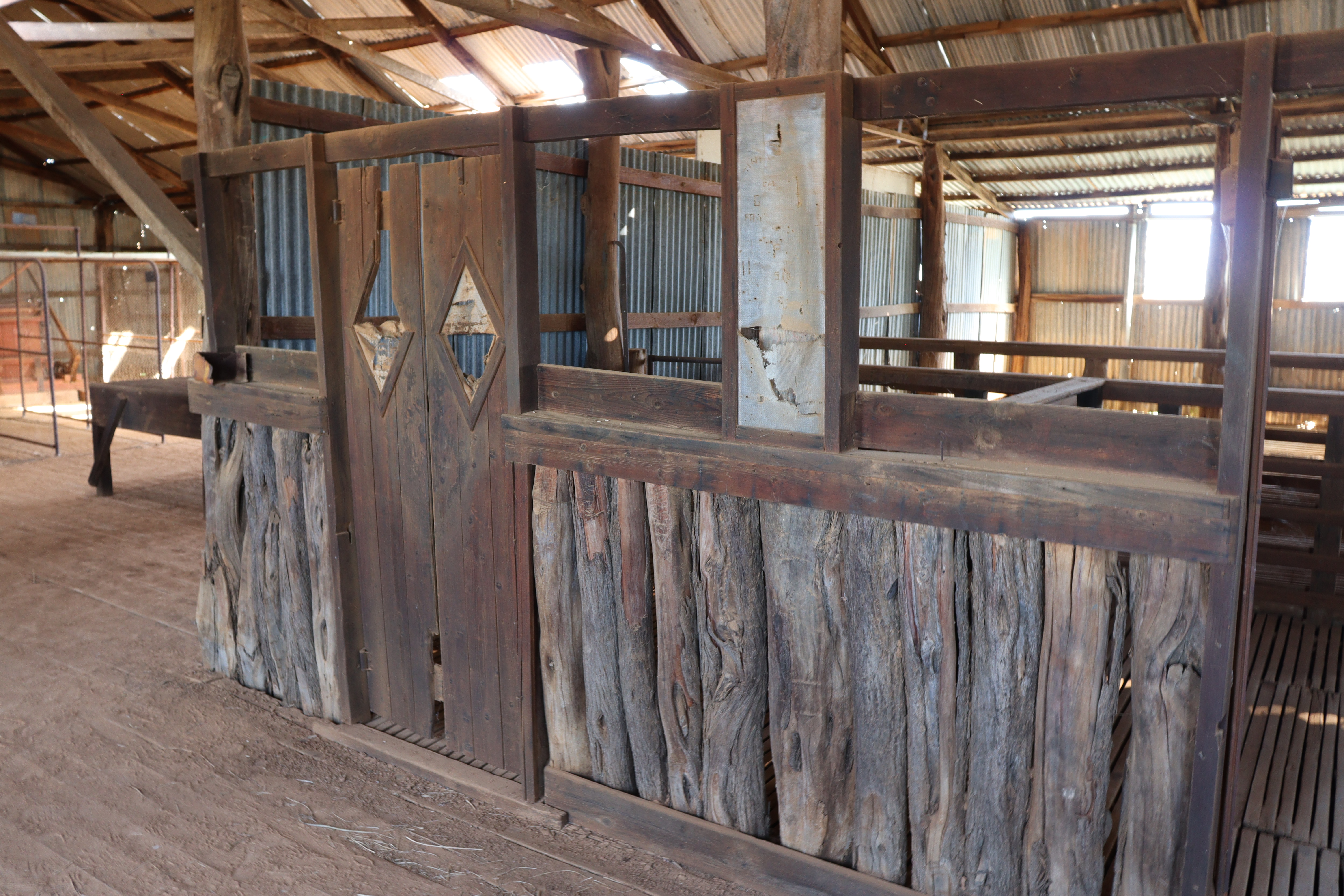
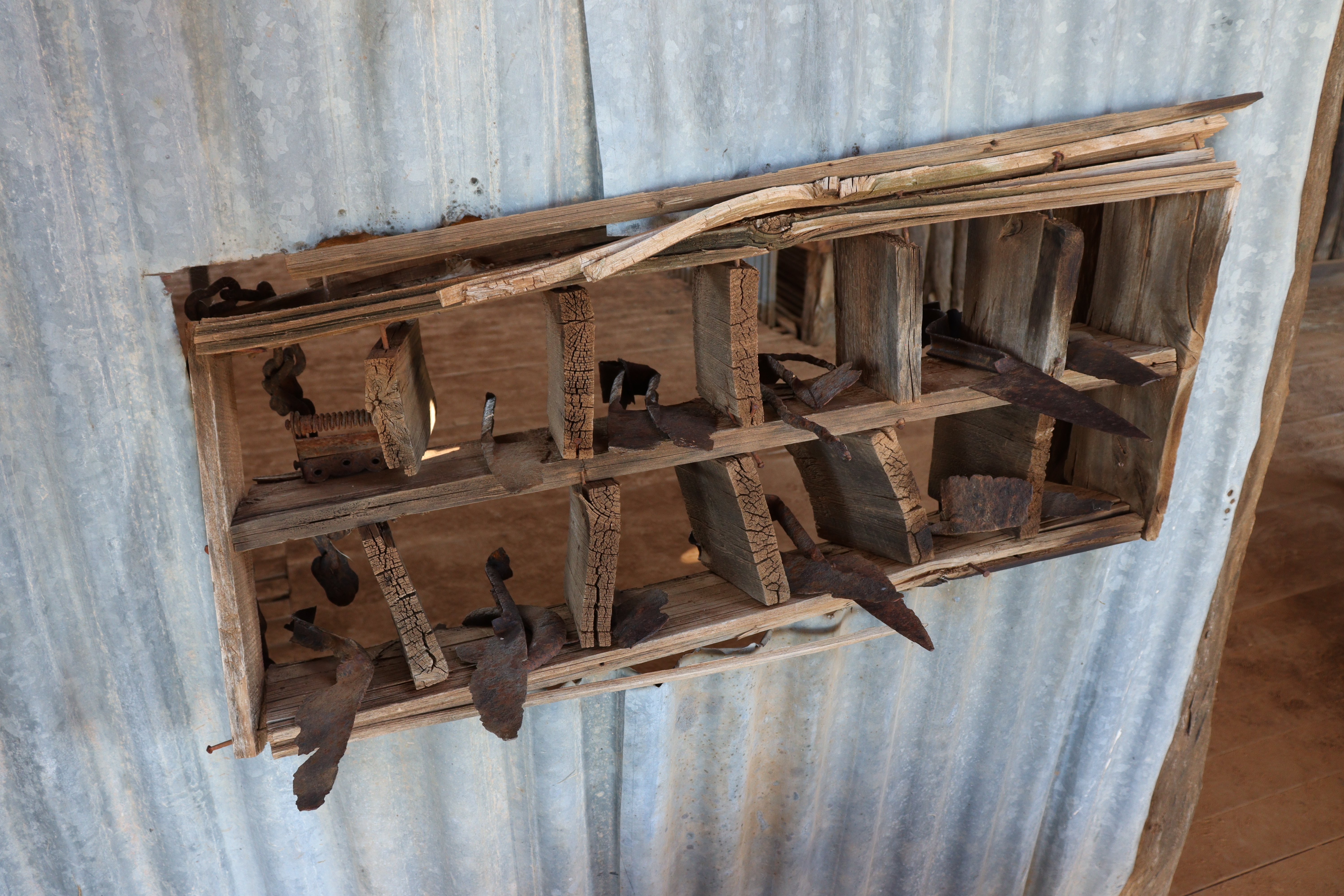
Sturt NP also encompasses several former pastoral stations and therefore several homesteads, shearing sheds, shearers’ quarters and water bores remain to be explored. Some have been restored whilst others have been left to slowly deteriorate and succumb to the elements, but even with that thought in mind, I couldn’t help but think that the original pastoralists at Olive Downs didn’t value their shearers too highly – the shearers’ quarters were made of metal sheeting with no windows except for wire grills and would have been as hot as hell out there!


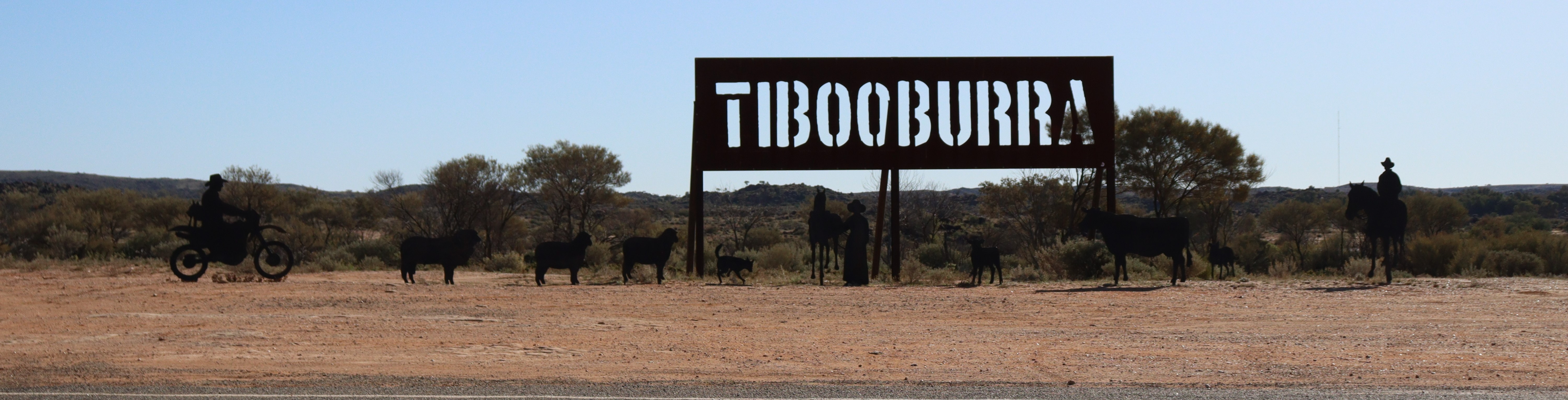
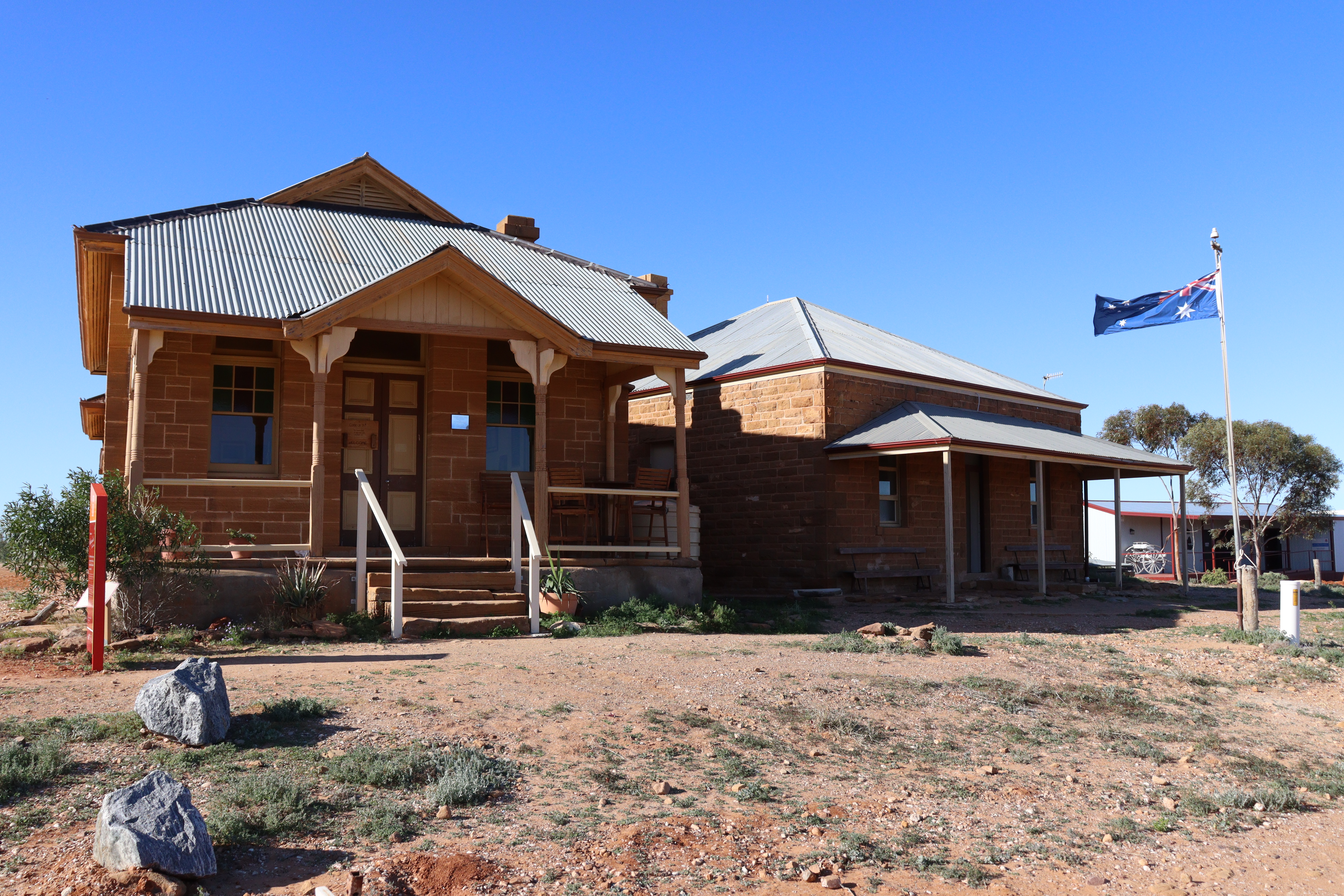
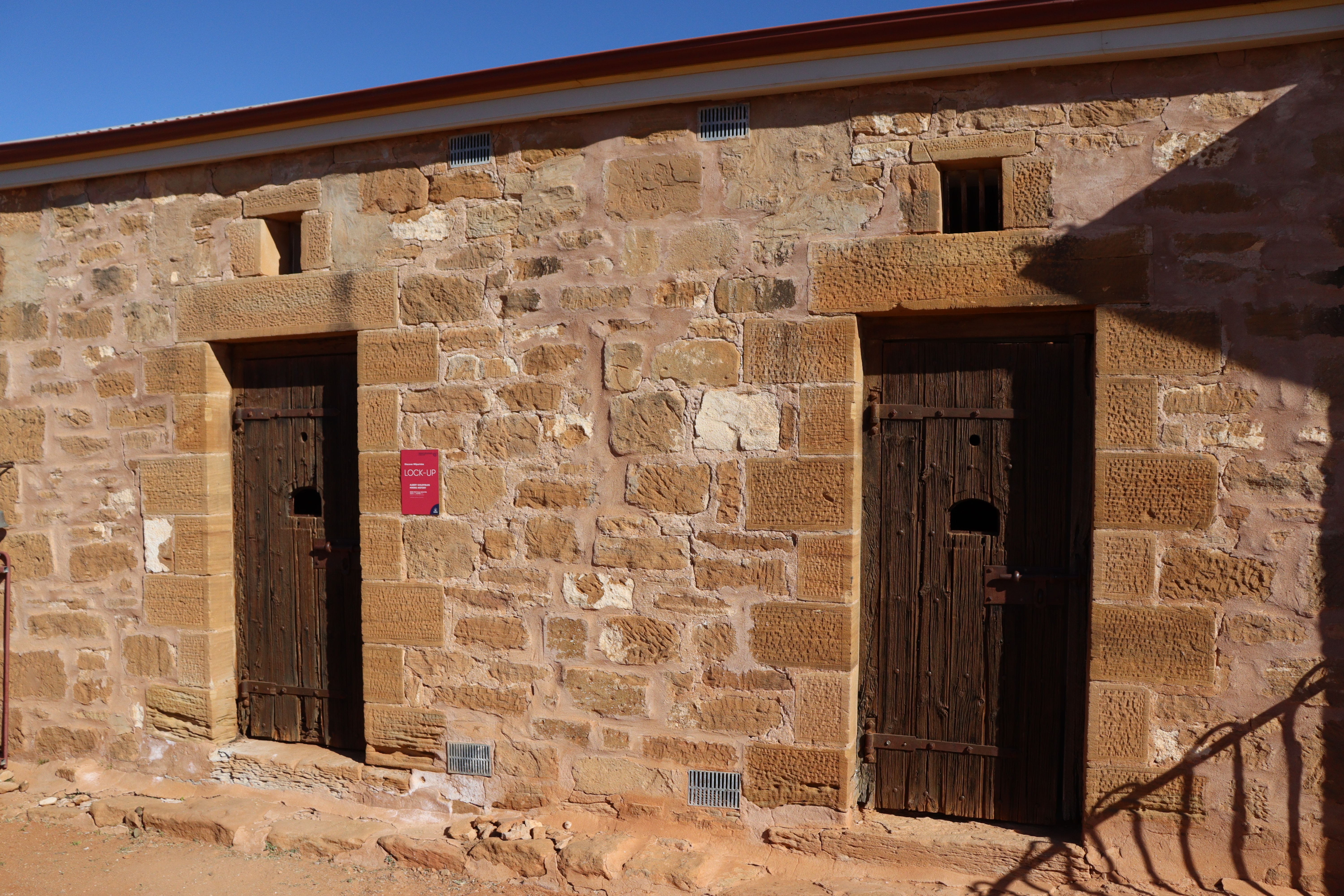
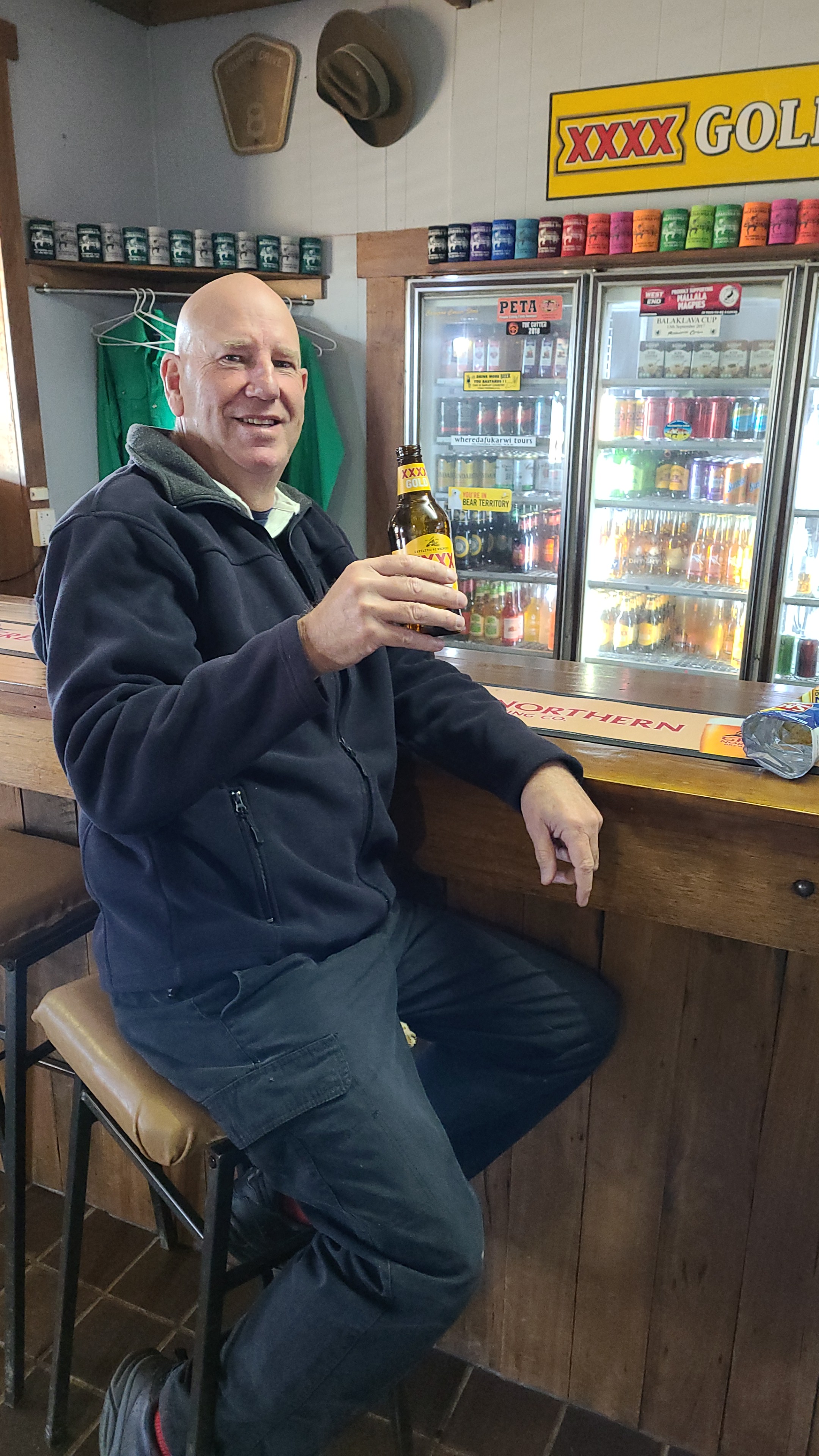
The Corner Country townships of Tibooburra and Milparinka date back to the gold era and as such boast some historic buildings, with the original stone ones in Milparinka being systematically restored by the “Friends of Milparinka”. These feature lots of information on the town’s history and include the courthouse, police station – with two holding cells out back – and the old pub, a very friendly and welcoming place to stop for a drink and a meal.
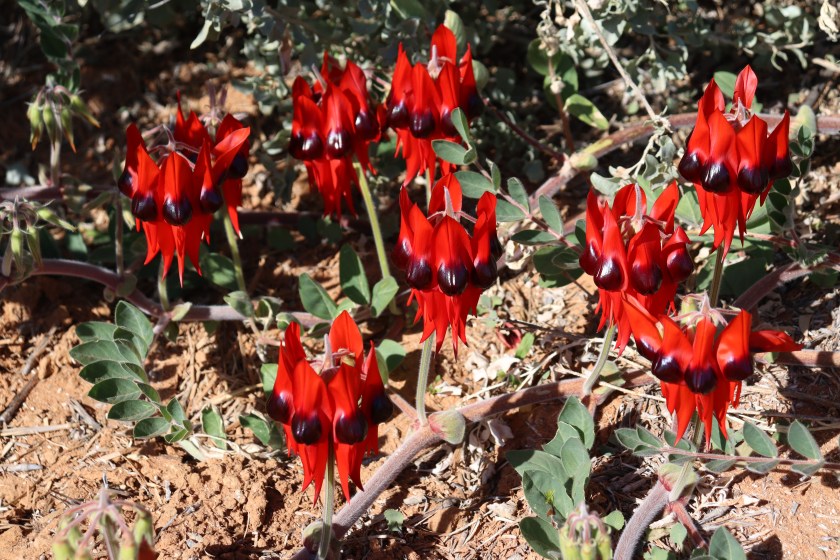
Narriearra Caryapundy Swamp National Park is one of the newest NPs in NSW and not too far from Sturt NP, so we headed there not quite knowing what to expect. Well, as it’s so new, there’s not a whole lot! A brand new camp area is situated on an embankment above the surrounding floodplains, with clearly defined sites and brand-spanking new long drop toilets – I think we were the first to use them!! It’s 20 kilometres from the turnoff to the Park gate and then another 30 or so kilometres till you reach the campground, with NOTHING in between except a turnoff to the original homestead! But …. the 360° views from the campsites overlooking the floodplains and the very distant horizons are a sight to behold! AND…. I think we had the official welcoming committee to greet us on our way in …. a group of 40 or more emus strolling along the road not particularly perturbed by us driving through.

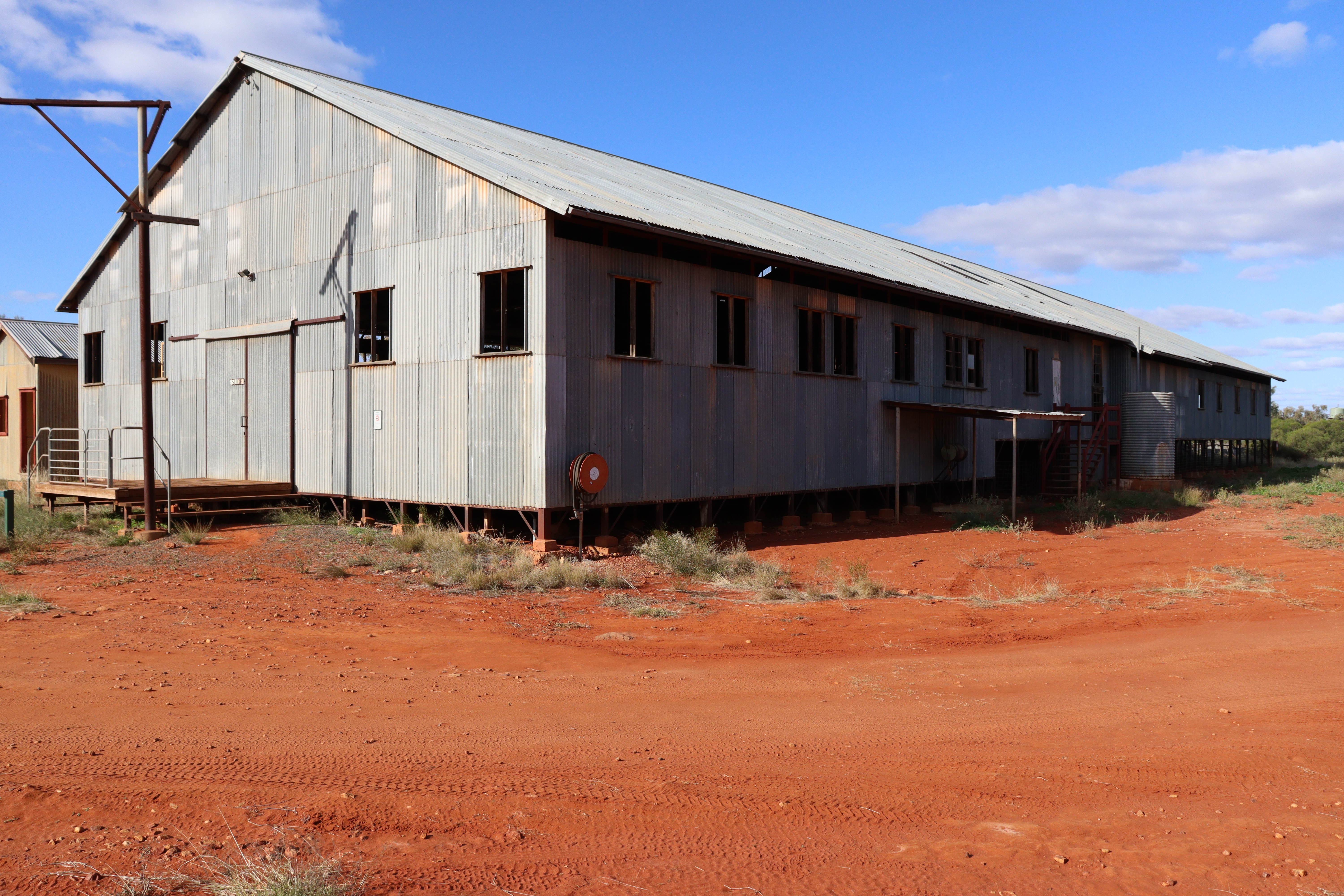
Crossing back into Queensland at Hungerford, we headed into Currawinya NP. Once again, this Park resulted from the acquisition of several pastoral stations dating back to the 1860s and features a variety of infrastructures associated with the shearing and wool industry of the past. So once again we visited several woolsheds, shearers’ quarters and so on – it seems that this trip has mainly focused on woolsheds and the like. But it’s amazing how different from each other they all are – different “board” setup, different building design, different outbuildings and state of repair or deterioration – but all of them so interesting!



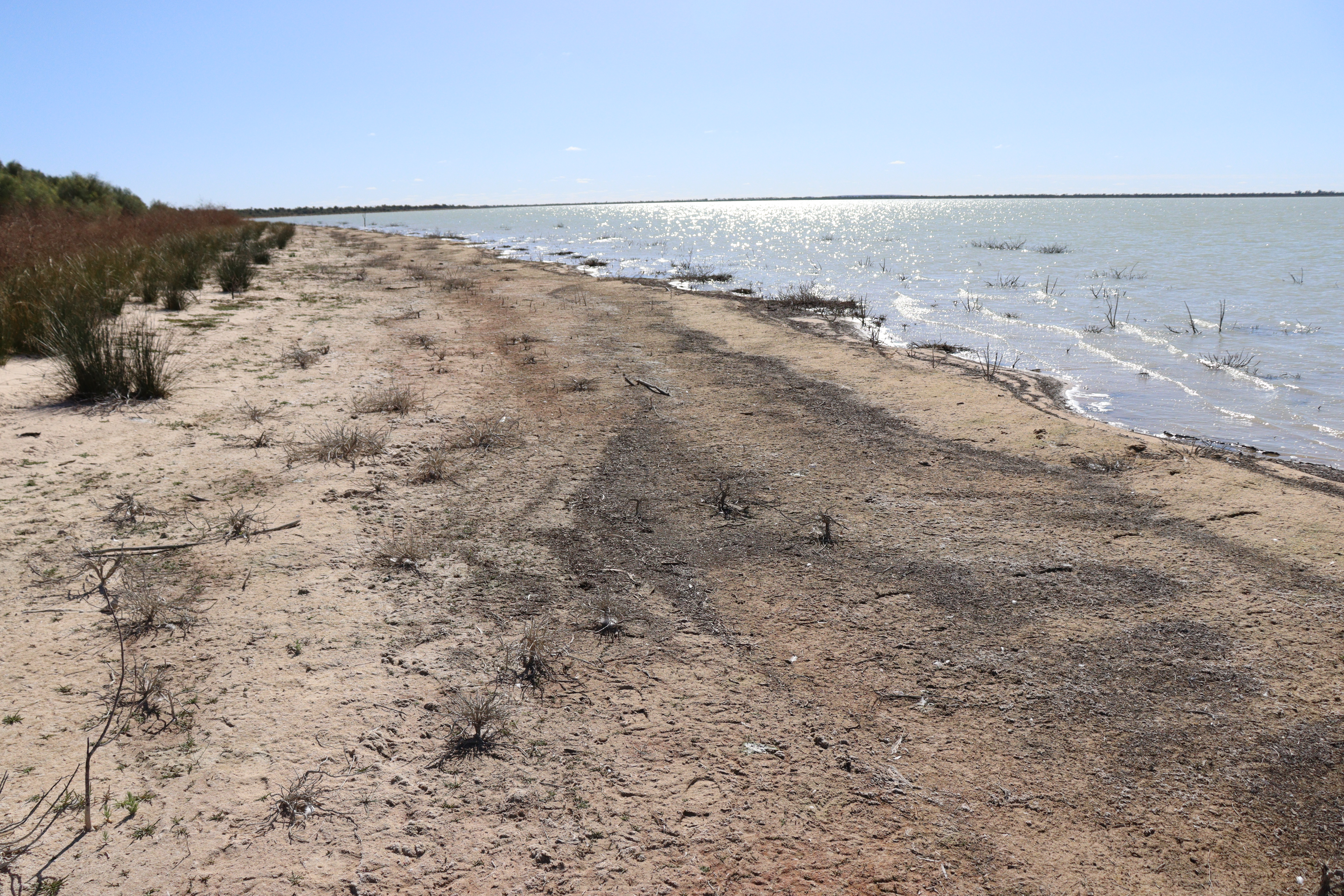
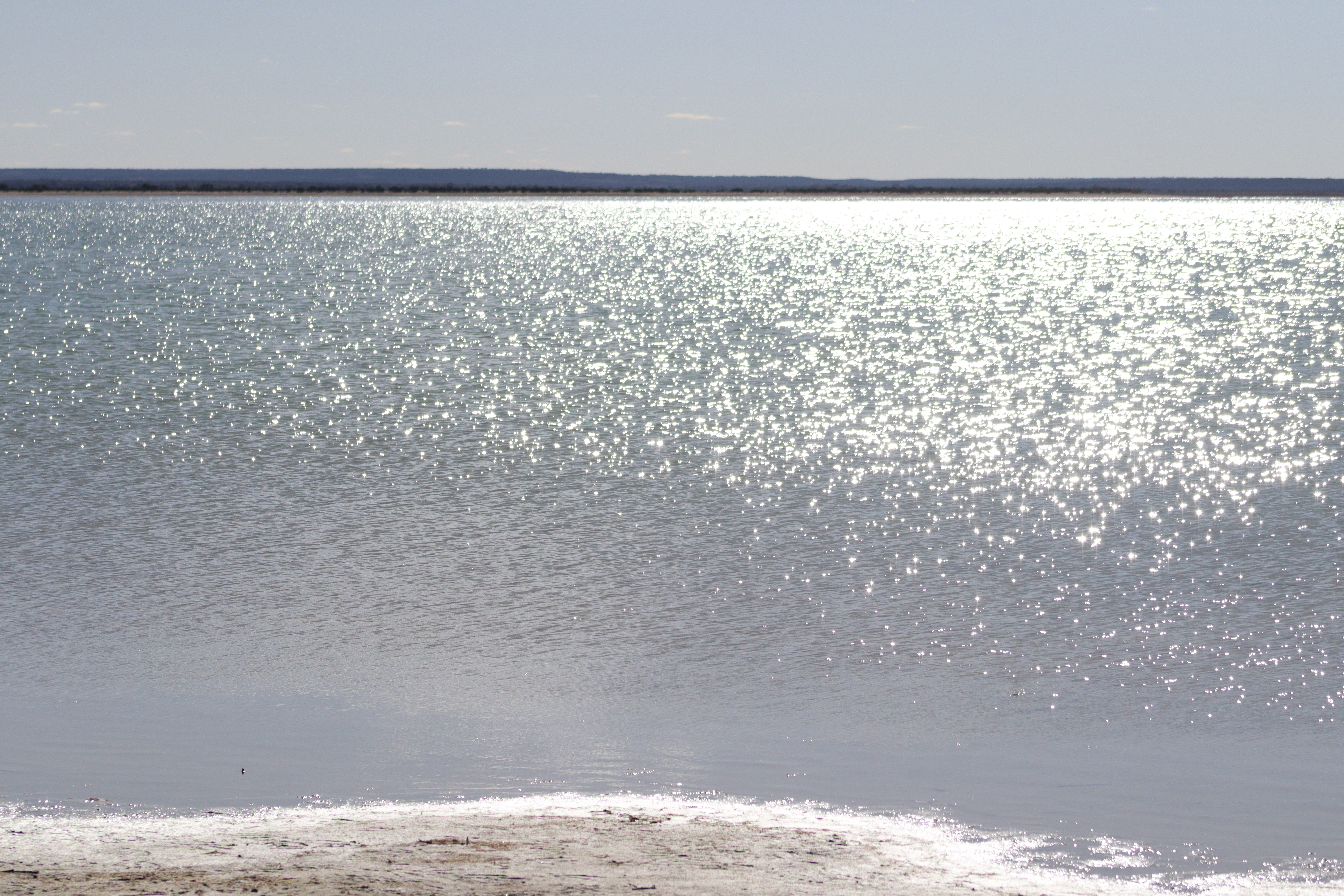
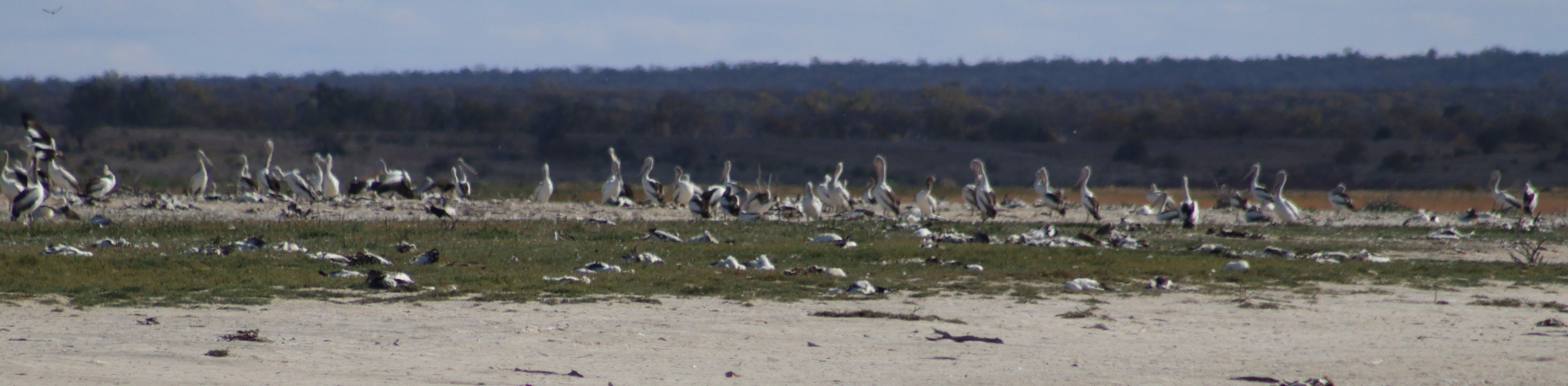
Currawinya, despite its semi-arid landscape, is home to a diversity of waterways and wetlands, and in 1992, it was designated a Ramsar Wetlands Site of international importance. While the Paroo River runs through it, the park also features several mound springs that bring water to the surface from far below, and two huge lakes: Freshwater Lake Numalla which is periodically flushed and refilled by Paroo River floodwaters, and saltwater Lake Wyara which dries to a vast salt-pan in times of drought. During years of good rains and floodwaters when water is abundant, as it was last year, the salt waters of Lake Wyara attract hundreds of thousands of waterbirds, which come to feed and breed, and we were fortunate enough to witness the spectacle of thousands of pelicans that jostled for space around the lake’s edge. Unfortunately though, this huge influx of birds has its downside, and the waters can’t sustain all the new hatchlings through to adulthood and many thousands are left to die there as well. Not a pretty sight, but that’s nature….







So, that was it. We had filled in the gaps of places we missed in the previous trip and added some extras, and after 53 nights, 8200-odd kilometres, 4 States, 1 Territory, and 7 National Parks, it was time to start heading home….. to start thinking and planning for the next trip.
WTF?? Or HaHa!!
- In Alice Springs – Victorian registered car: that’s normal, but his registration plates are Club Car plates…. thought you were only allowed to drive certain amounts or distances under Club Car rego?
- Why is it that campers next door packing up at 7 am can only put one thing into the car at a time and then slam the door shut after Every Single Thing?! Wouldn’t it be easier – and less aggravating for the neighbours – to leave all the doors open, get everything packed into the car and then shut the door JUST ONCE?
- Why is it that groups of more than one vehicle travelling together on outback (dirt) roads have to travel right up each other’s bums? It’s not like they can’t see them – well, actually they can’t! But they can follow the dust trail without having to eat it, surely??!!
- We are the only ones camped in a camp area that stretches for about a kilometre amongst the dunes, and Old Mate with his caravan pulls in about 20 metres away from us!
- About 50 km north of Birdsville, came across one of the BEST sights we’ve seen – a concrete garden setting sitting out in the middle of the gibber plains!

 Tabers Travels