Rinyirru-Lakefield NP – Cooktown – Home
(Click on images to enlarge)
Coming back down the Cape, we took a detour. Turning eastward from Musgrave Roadhouse onto Lilyvale Road, we headed towards Rinyirru-Lakefield National Park, another of the CYPAL (Cape York Peninsula Aboriginal Land) National Parks.

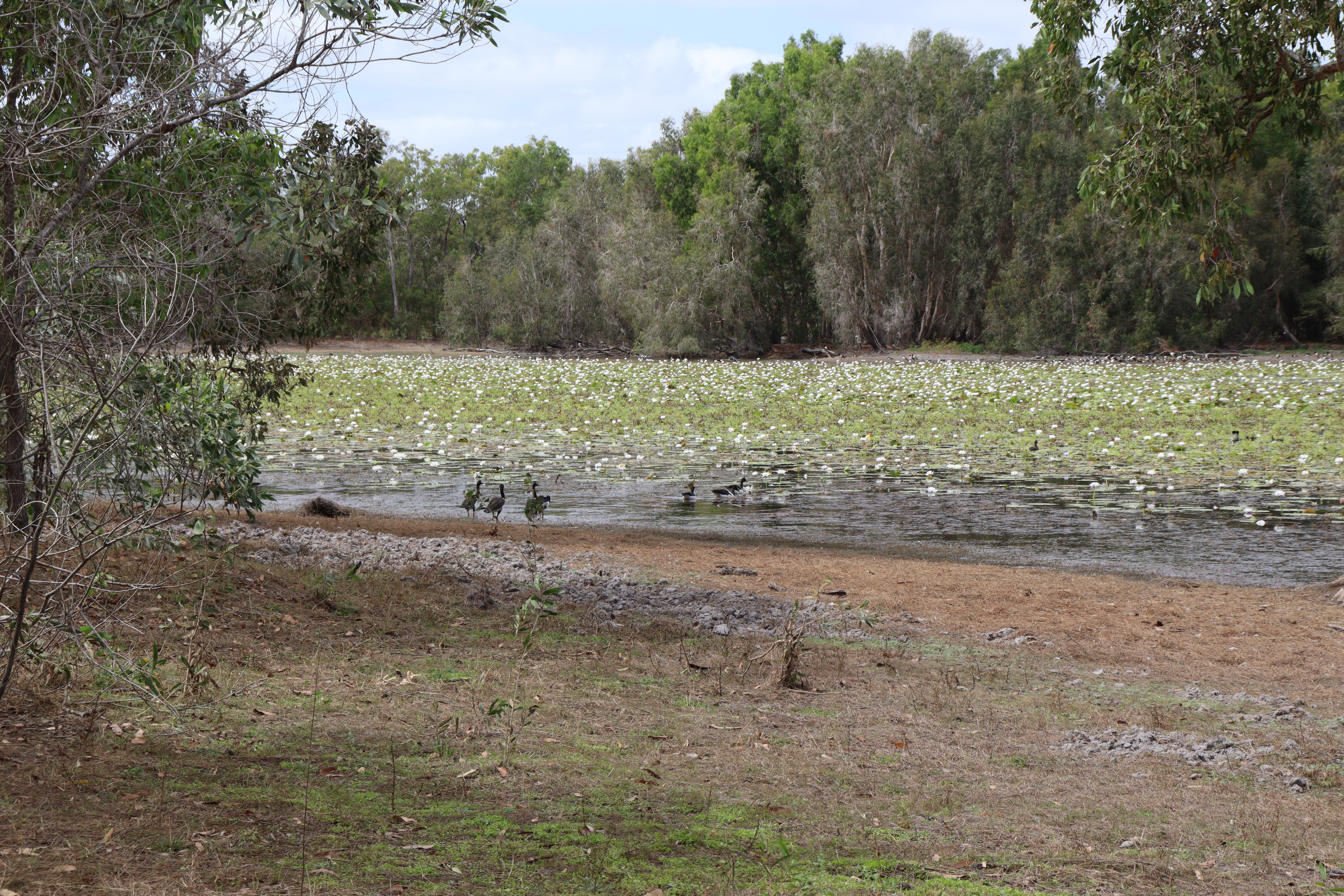
Not far from the turnoff, we pulled into a side track to check out the waterhole at Lotusbird Lodge – the place certainly lives up to its name as the waterhole was covered in lotus lilies and numerous birds including magpie geese and ducks. Further on, we entered Rinyirru Lakefield NP, and we drove through Nifold Plain, where we were suddenly struck by the sight of these weird tall triangular shaped trees in the distance. They turned out to be a variety of Corypha utan palm which originate in India through Malaysia, Philippines Indonesia and into Cape York and can grow to 20 metres tall, flowering in a massive cluster of up to a million flowers, only once at the end of its life. (thanks Mr Google/Wikipedia.)

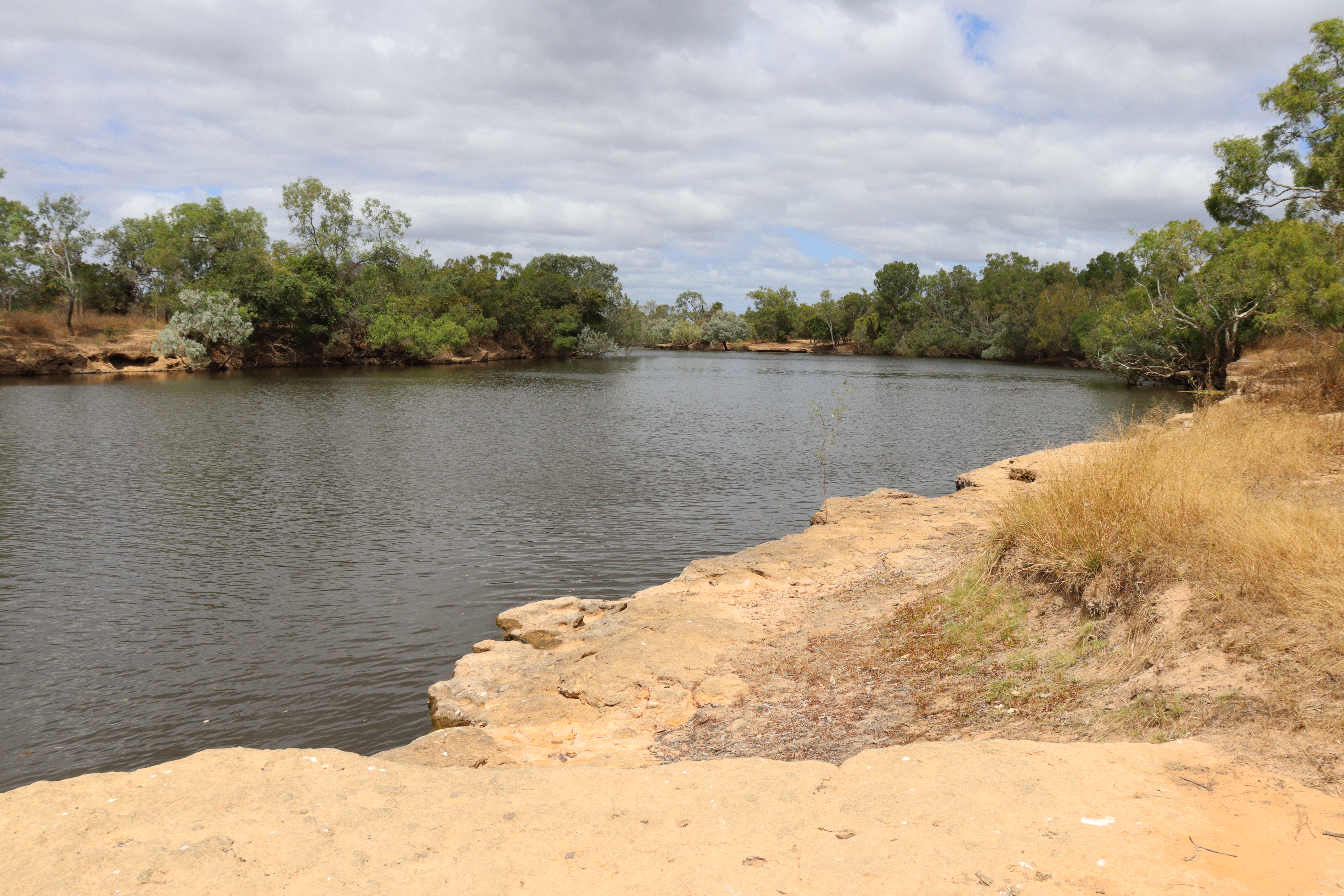
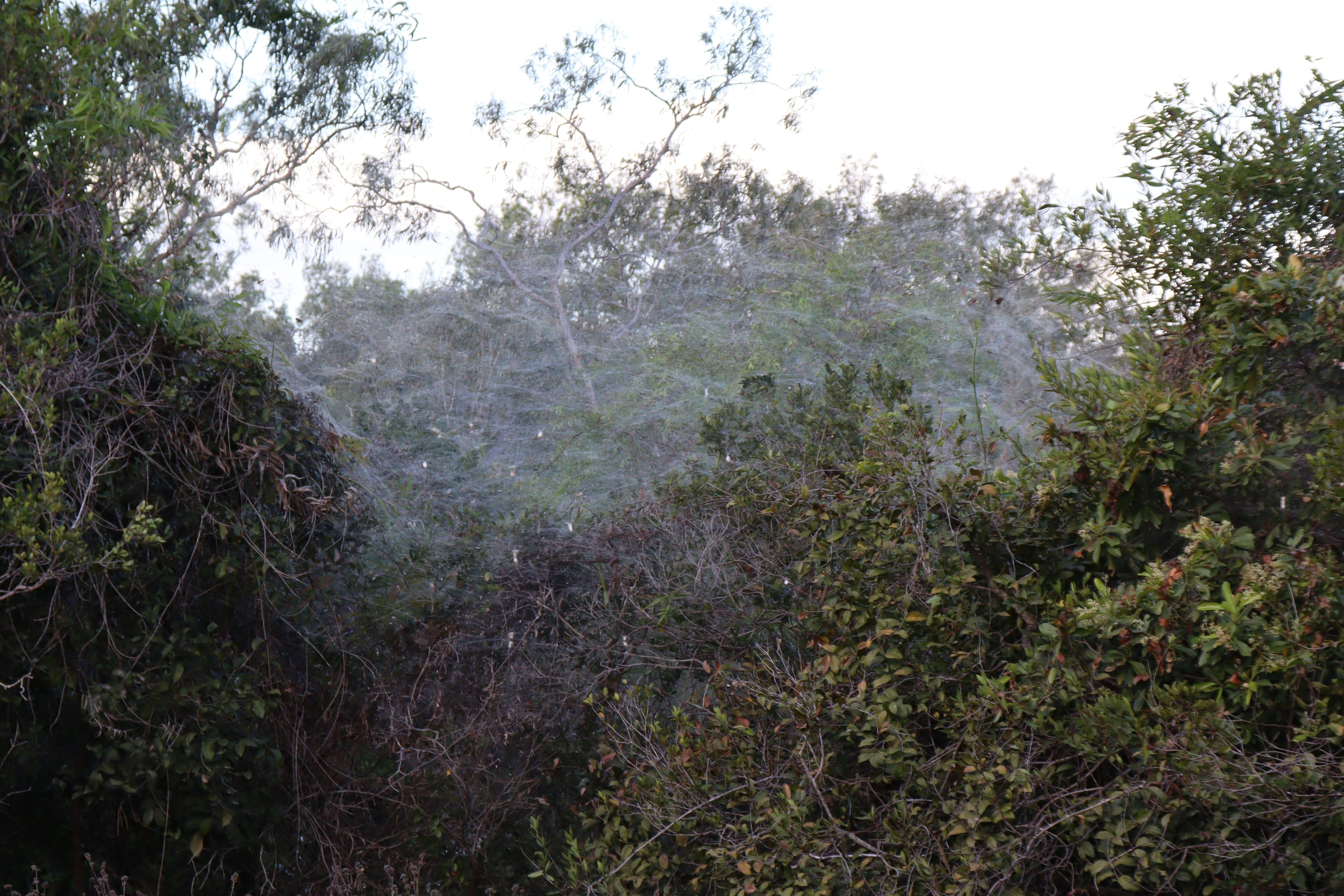
This Park has many campsites at different waterholes and along several different rivers, all of which are tidal and therefore have the “Achtung” croc warnings. Staying the first night at Hann Crossing on the North Kennedy River, our campsite was a lovely, secluded spot, very quiet on a ledge well above the water. Walking back to the crossing, it seemed that only a couple of the campsites were occupied. At one point, I saw what appeared to be a smoky haze amongst the bushes, but on closer inspection, it turned out to be a huge mass of spider webs slung thickly between the trees, with hundreds of spiders of different shapes and sizes hanging in them. I’ve never seen anything like it! At the actual Crossing, the river reduces to a narrow chute before cascading into a wide pool that expands to a large waterhole. That night, sitting outside in the dark, we heard a large splash and shining a torch on the water, we spied several pairs of red eyes – CROCS! Luckily our ledge, although close to the water’s edge, was high enough to not be a concern.



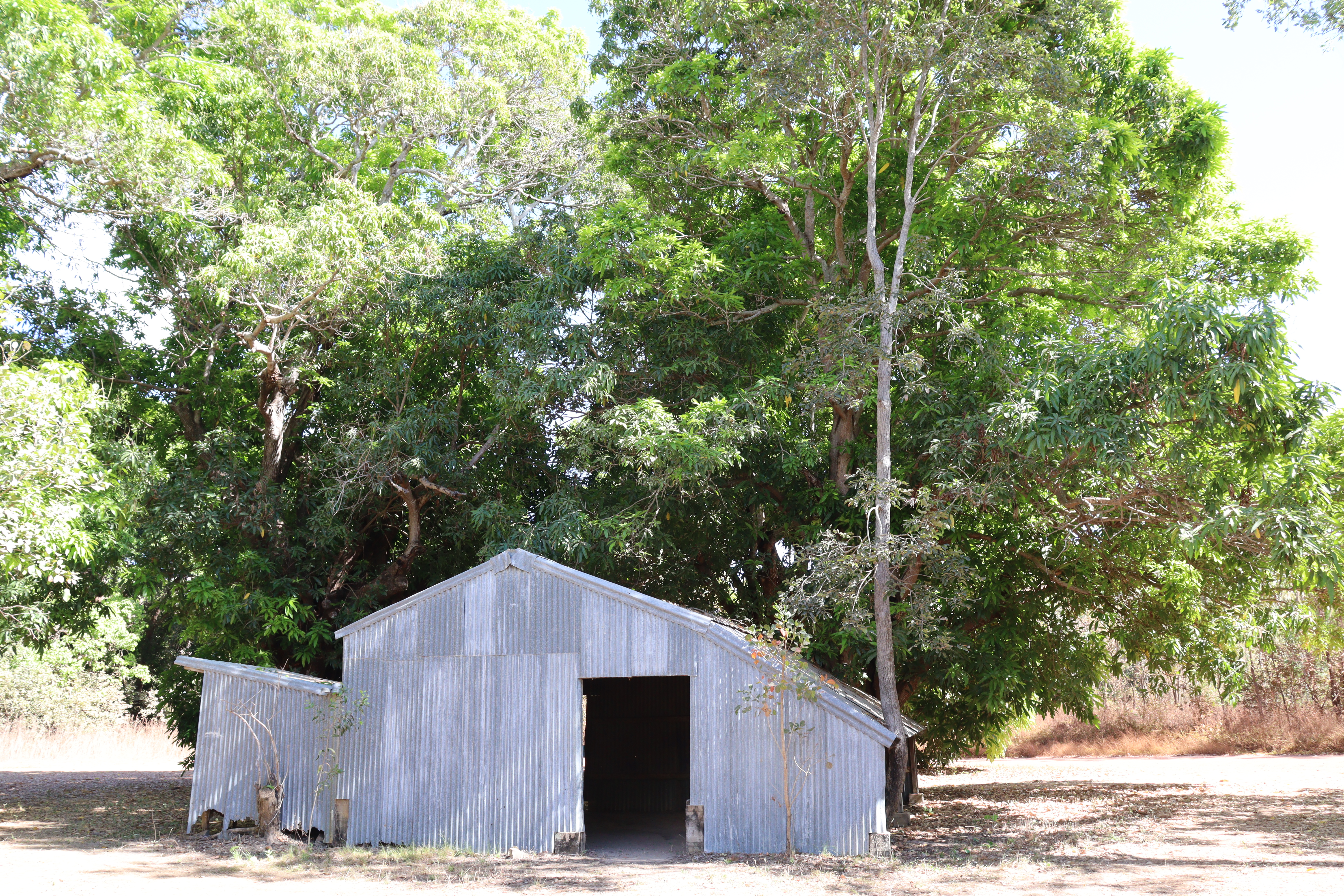
Continuing through the Rinyirru Lakefield NP, we stopped in at Breeza Homestead historic site where the relics of the original corrugated iron homestead remain nestled under a pair of huge mango trees a short distance from a large lagoon covered in waterlilies. Further along the road, Red Lily Lagoon boasts a year-round water retention which is ideal for the survival of the many plants, particularly the lotus lilies, that grow there.
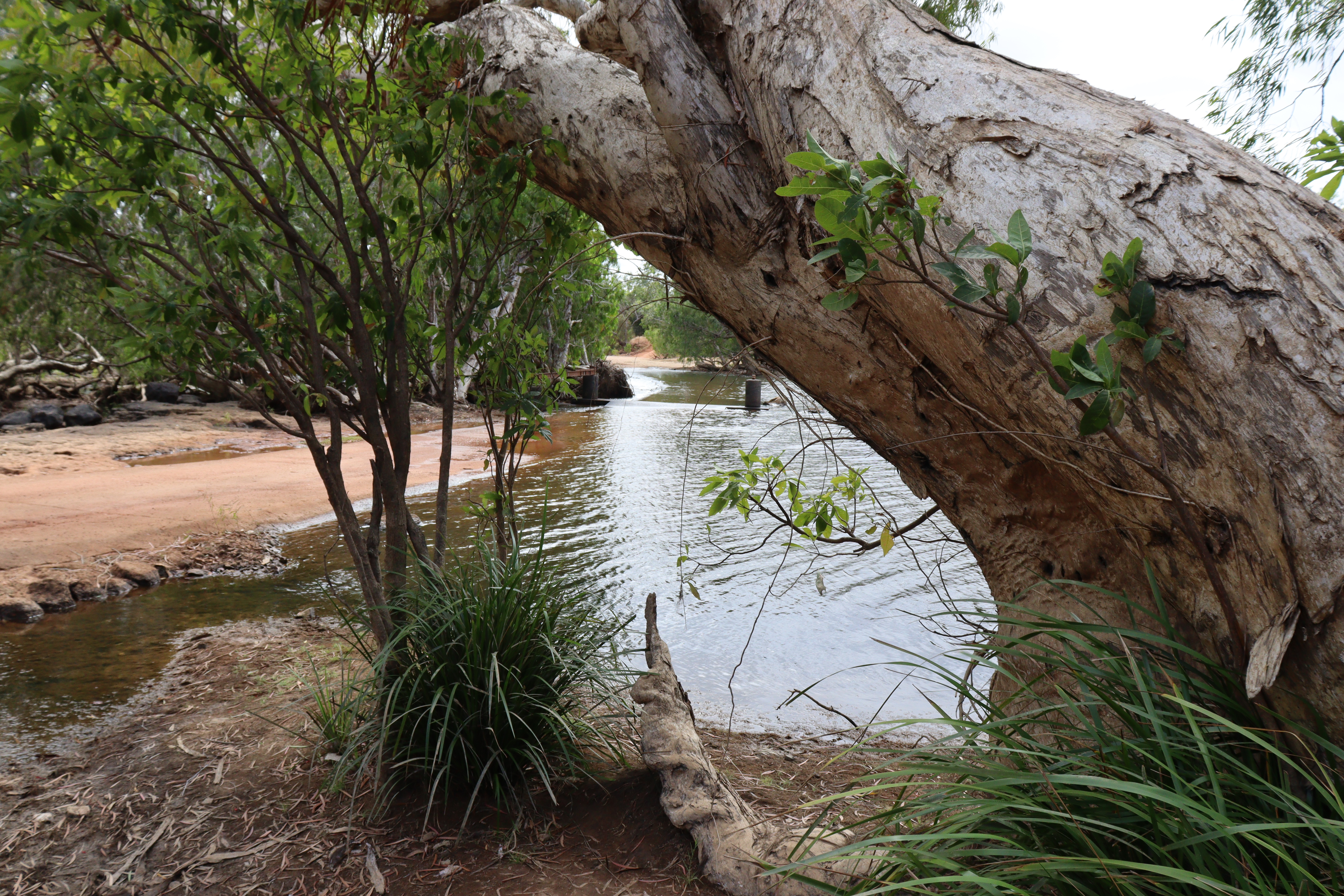
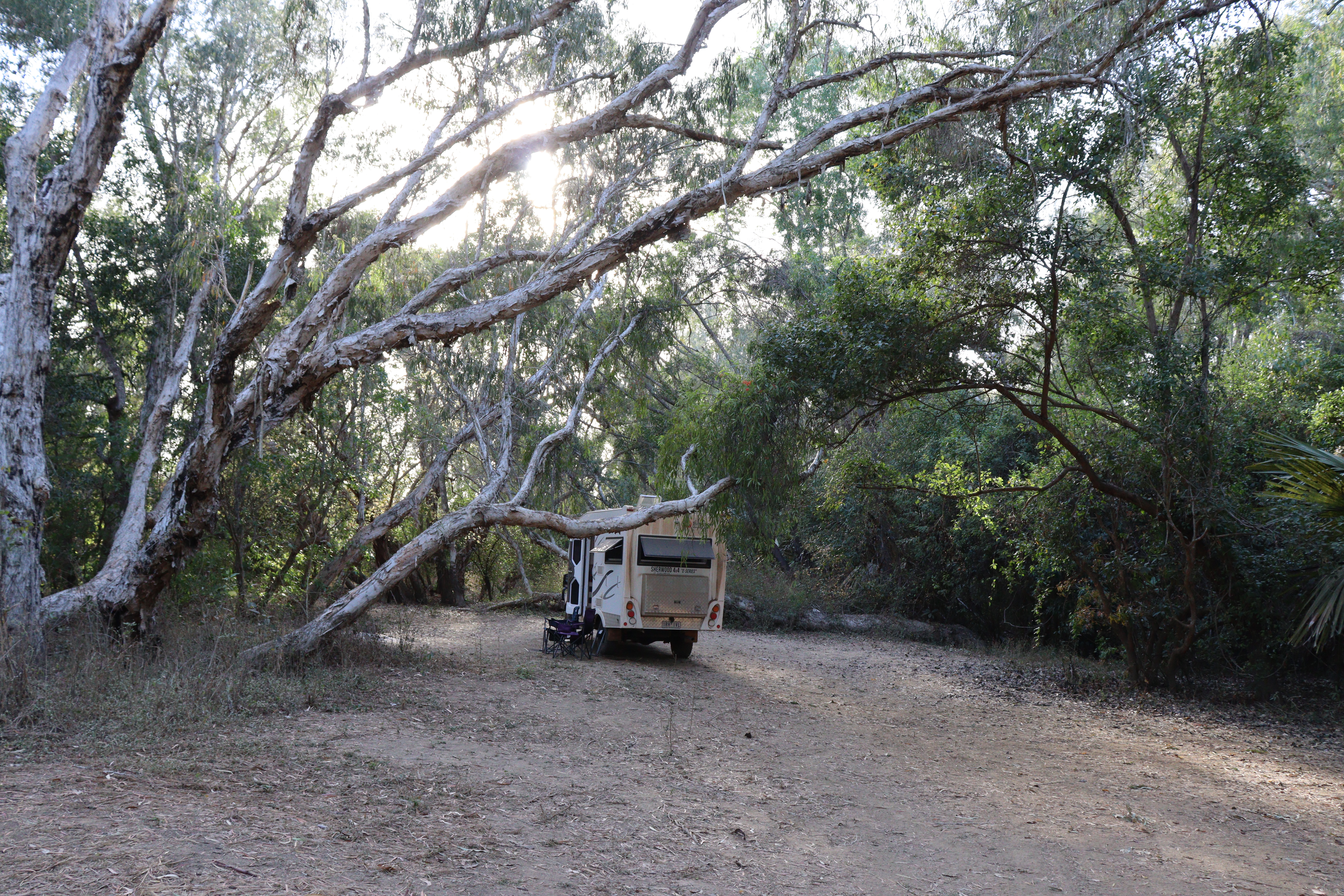
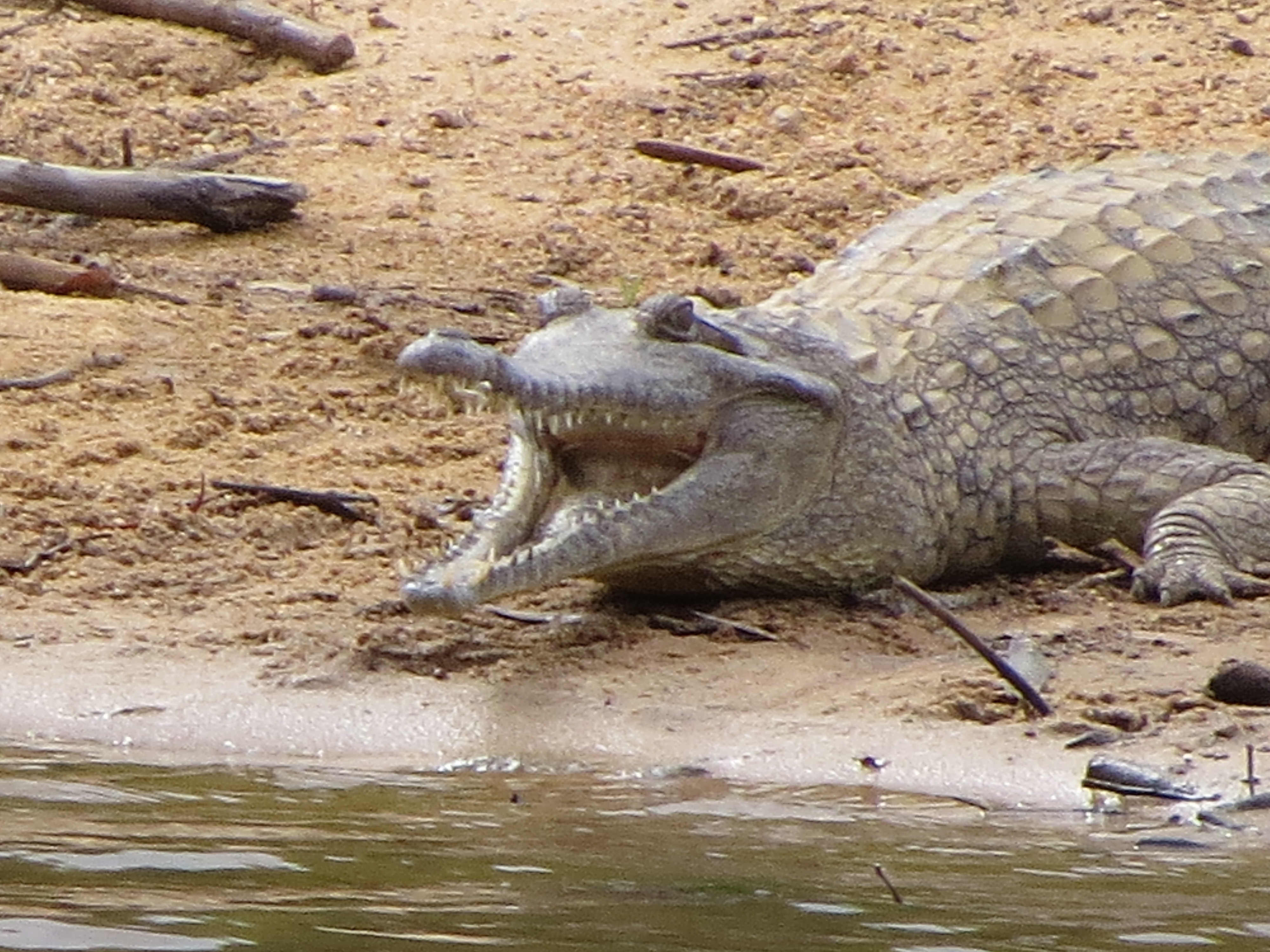
After a refreshing cold shower at the Kalpower Crossing camp area on the Normanby River, we continued to our next campsite at Twelve Mile Lagoon, which according to the signs, was 15 kilometres off the road on a 4WD track but turned out to be not too difficult. Our site at first appeared to be not as pleasant as the night before’s, but we found it to be much more secluded and infinitely quieter being so much further from the road. Once we set up and dragged our chairs to a point where we were high above the Normanby River, we found that it was a great spot for croc-spotting. And spot plenty of crocs we did! On the opposite bank, we spotted 5 or 6 what we thought were freshies or Johnstone River crocs, but they could have been salties, and we sat watching them for quite some time till later in the afternoon, they were joined by another very large estuarine croc that had to be around 4 metres. He just lay in the water and was obviously not too hungry as several magpie geese walked right by his snout and he made no move to get them. Despite them all being on the opposite bank of this nice wide river, I felt somewhat reassured that the bank on our side was quite high and pretty steep.

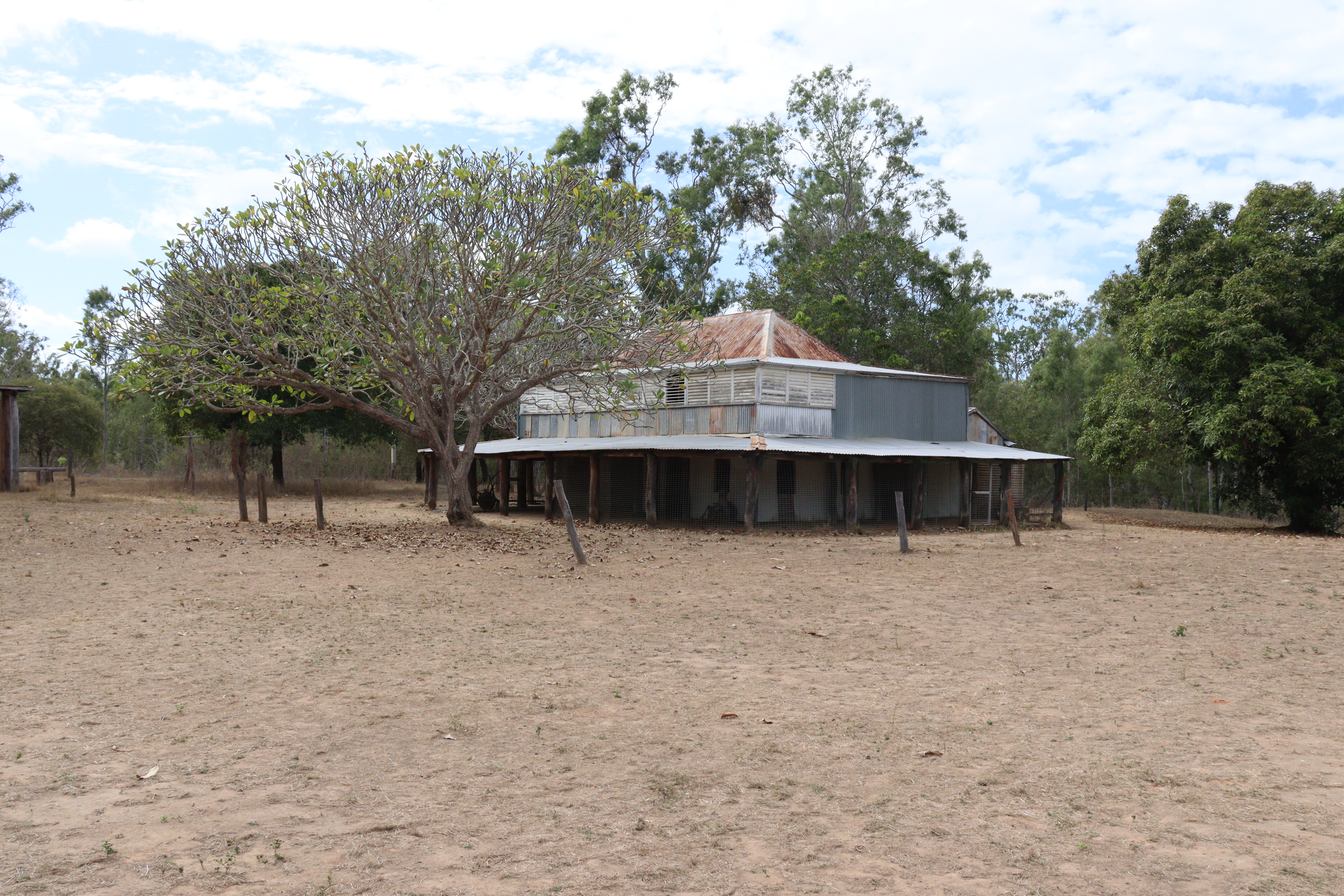
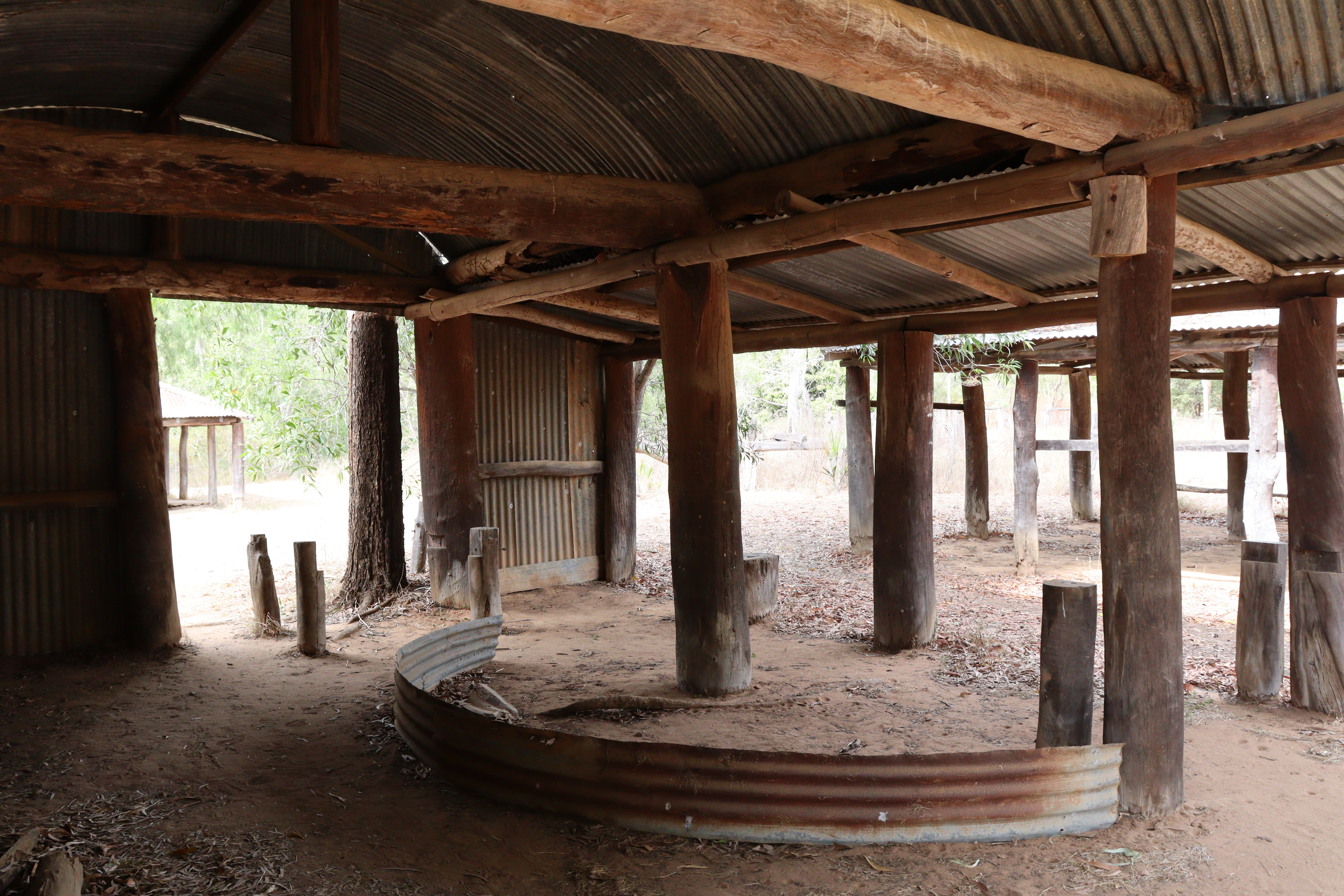
On the way our of Rinyirru, we called in at Old Laura Homestead, a well preserved two storey house complete with shutters and wide verandahs, meathouse, stockmen’s quarters, saddlery and blacksmiths buildings. The Laura cattle station was in continuous operation from the gold rush of 1880 right up till 1966 and despite its isolation and often being cut off by seasonal weather, its community was virtually self-sufficient.

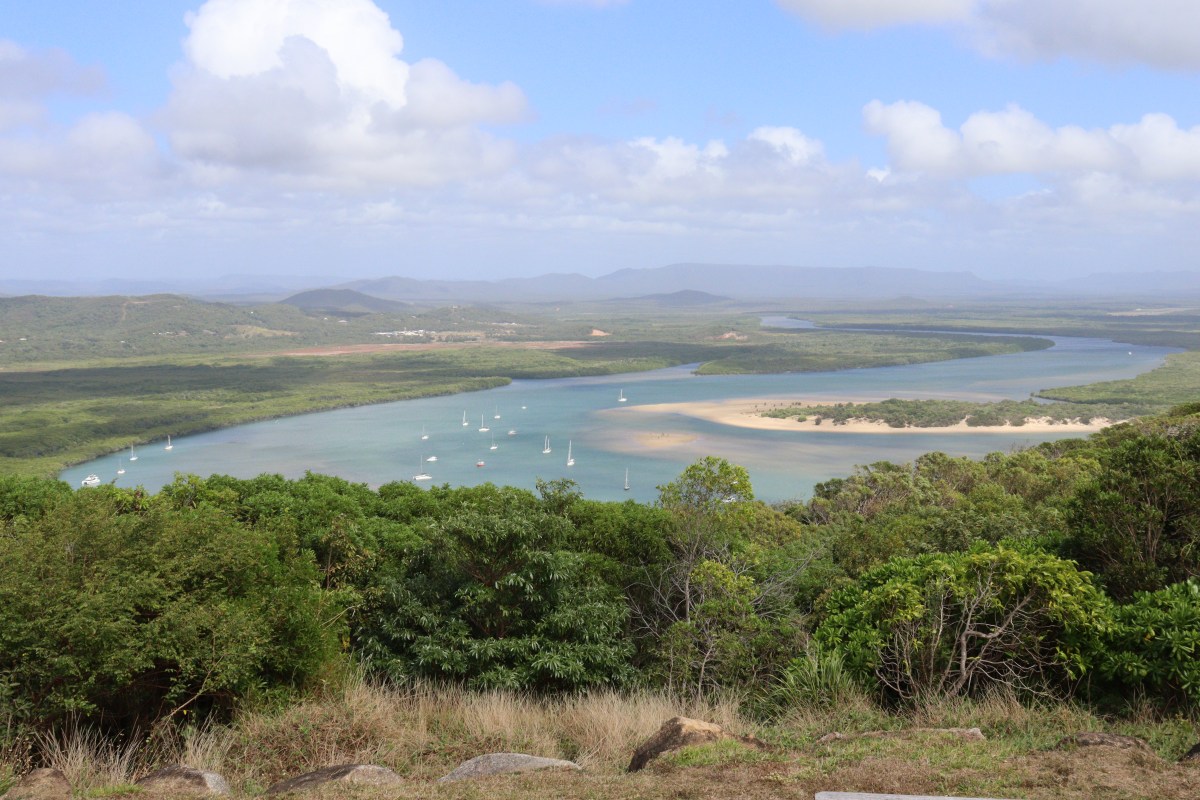
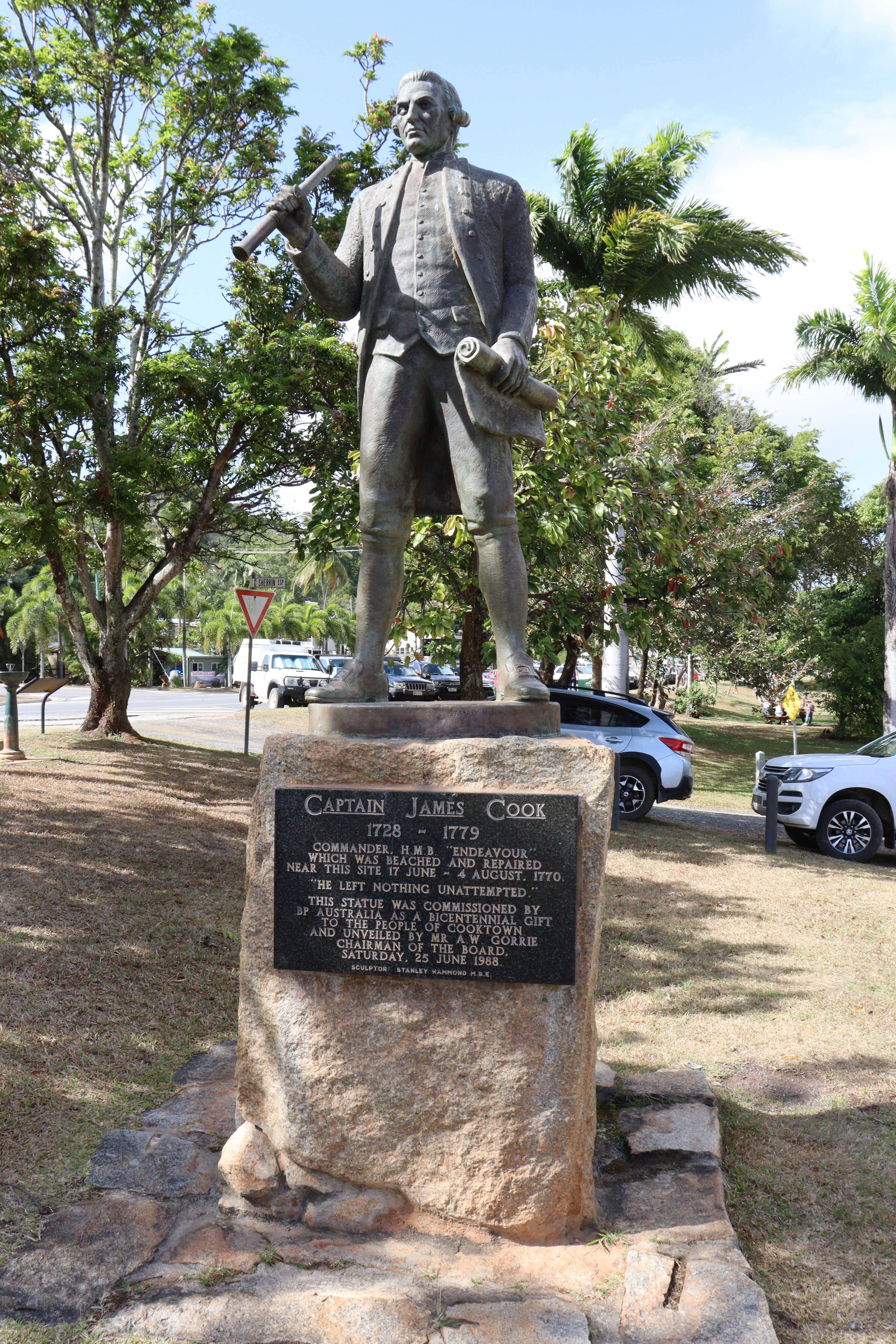
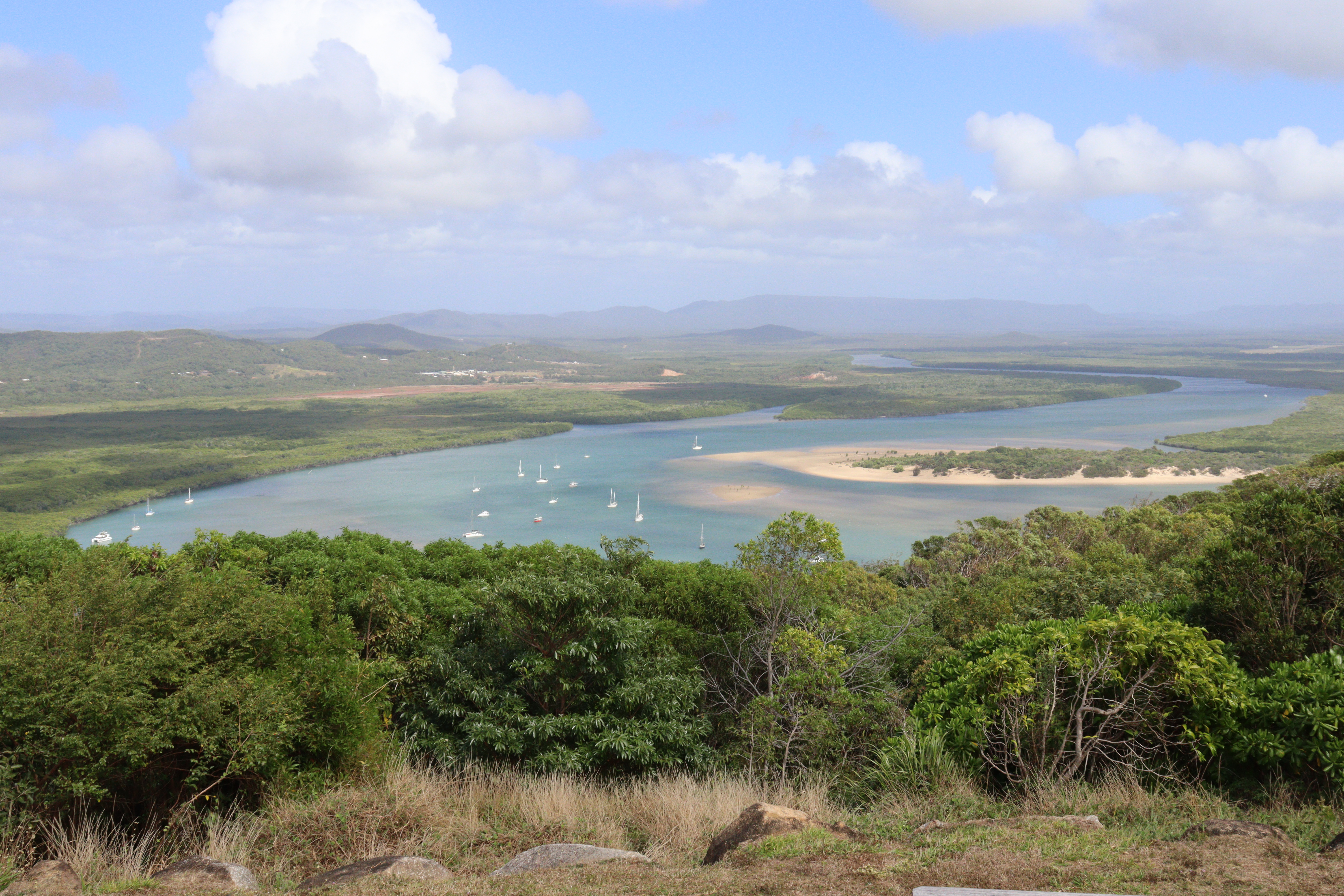
Fording several rivers with wet crossings and causeways, crossing the Great Dividing Range took us down to the coast and to Cooktown, where Captain Cook beached his ship the Endeavour for repairs in 1770. For the next couple of days we explored the sights of Cooktown, including Grassy Hill Lookout and Lighthouse, a very steep slow walk up to the lookout but worth the effort when rewarded with 360° views over the town, the Endeavour River, the Great Divide, and the Coral Sea. From that point we continued a walking trail down through the rainforest, passing two pretty, secluded beaches and into the lovely Botanic Gardens, filled with tropical plants and palm varieties.

A short distance out of Cooktown, heading south, we came across a small pullout and carpark beside the road, where signposts announced we were at Black Mountain NP – Kalkajaka. This mountain actually appears to be no more than a huge pile of rocks, but as the signs explain, it’s a huge, fragmented granite rock that has been eroded away over the last 260 million years, thus forming the pile of rounded boulders we see today.


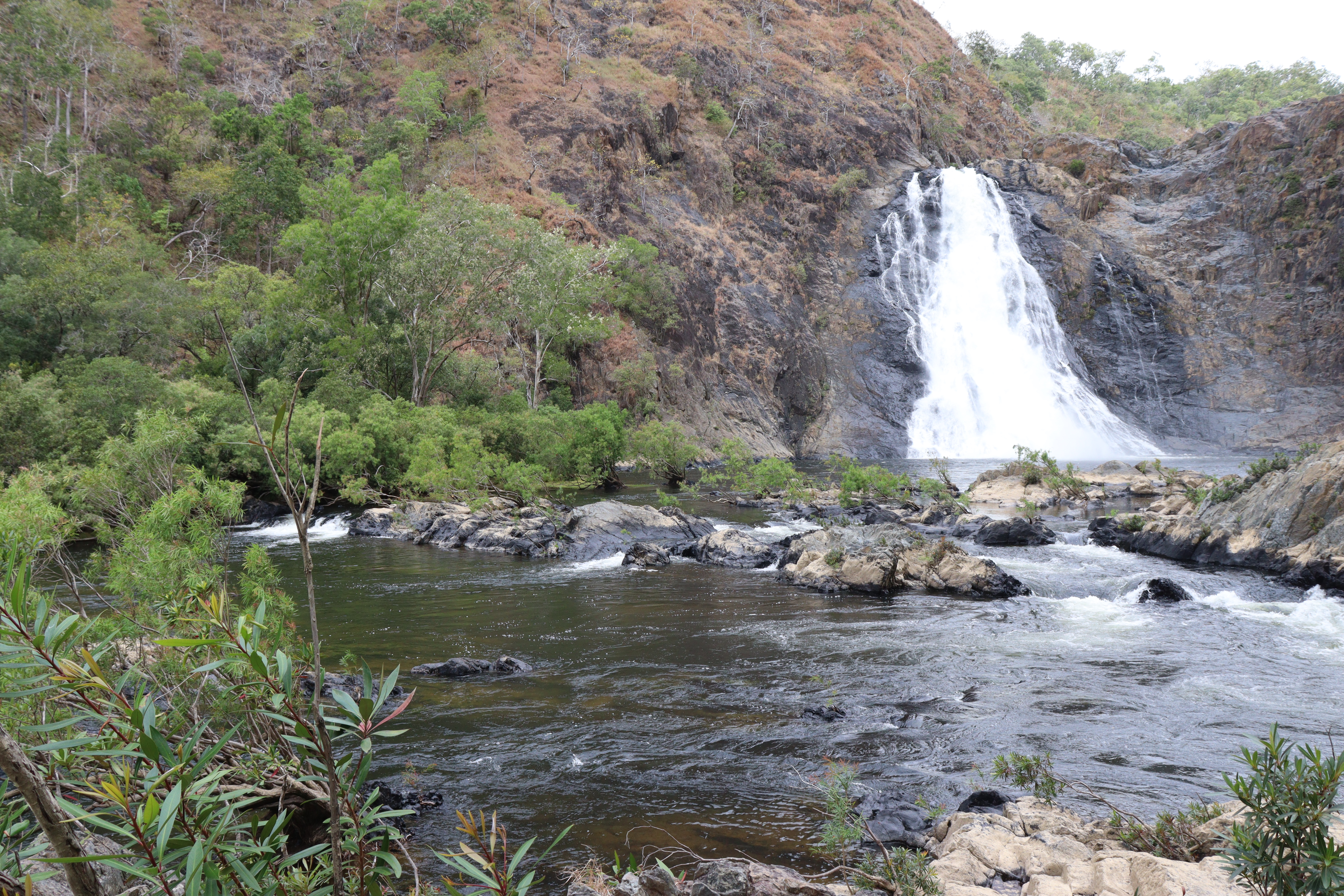
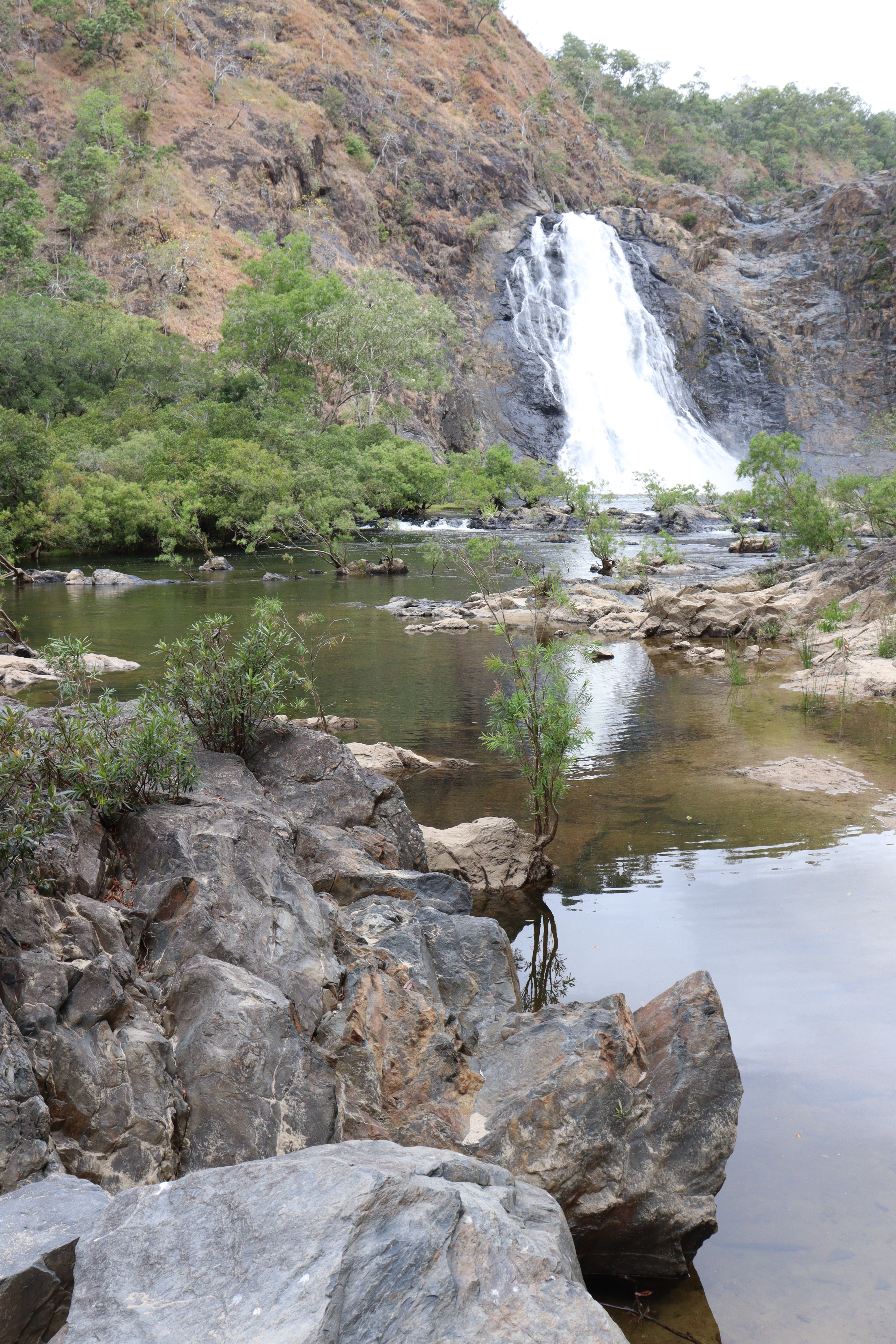
About 70 kilometres south of Cooktown, within the Daintree NP, are the Bloomfield Falls – Wujal Wujal – where we walked the 1 kilometre track then scrambled over the rock till we came upon these most breathtaking cascades, tumbling about 40 metres over the sheer rock wall with impressive force, probably more so on this day due to the rain we’d had the last few days.
From this point on, we started taking longer days driving. We had covered all the places we wanted to see for this trip, so it was time to start heading home. So after a night at the Three Rivers Hotel (from Townsville to Greenvale they’re building a line…. ), visiting friends at a station on the Burdekin River, and catching up with more friends in Charters Towers, we turned left (south) at Torrens Creek.
With Covid causing on-again off-again border closures between the states, we had applied for and been granted a 24-hour pass to travel from Queensland through New South Wales and into Victoria. Travelling on this pass, we had to traverse NSW within 24 hours, not have any unnecessary contact with anyone and document any stops for fuel etc. Many people had been taking detours into Northern Territory and South Australia, but by the time we were about to hit the Qld NSW border, that detour avenue had also closed. So we spent our last night in Queensland about 200km north of the border, started early the next day and drove about 730 kilometres till we got to a roadside stop to spend the night, which left us only about 375 kilometres to get us across the border and back into Victoria the next day.
Best laid plans…..
That all went according to plan. We crossed the border into Victoria in a little over the 24 hours, even with our overnight stop, and had our permit checked by police as we crossed. So all was good. We were now on home territory and could take our time to get the rest of the way home, so we found a bakery and had a late breakfast. When we got back into the car, Gary turned on the radio, which he hardly ever does, just in time to hear the news that within 20 minutes, Victoria was going into lockdown again. WHAT??? This lockdown was a snap announcement with only 2 hours before coming into effect, so after having driven from Queensland and having to get through NSW on our 24-hour permit, we decided to just drive the rest of the way home in the same day. So we ended up driving 1480 km from 8am in Queensland on the Friday till we were home in Victoria by about 4.30pm on the Saturday with a night sleeping at a roadside stop in between! Big days of driving for us…our “big” days are normally a maximum of about 150 – 200 km. Luckily with Roxy we can both drive, because we would never have gotten so far so quickly if had all been up to Gary alone!
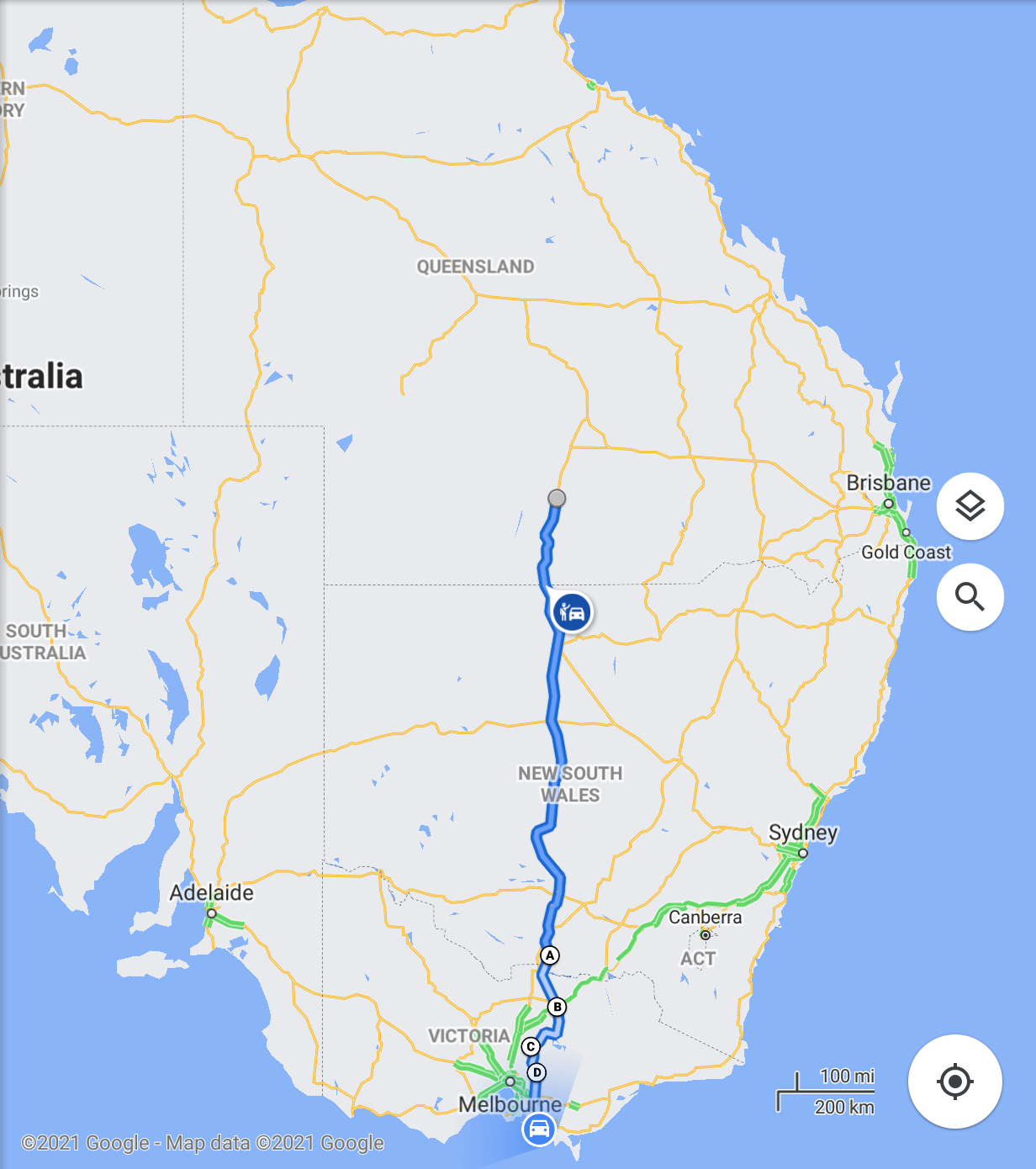

And so our Trip to the Tip had come to an end. We had been away for 96 nights (almost 14 weeks) and covered 12100 kilometres in Roxy, visited lots of friends, enjoyed lots of new experiences, had lots of hot weather and seen lots of new sights in this great country of ours.
And now we are home and planning our next adventures.
WTF?? Or Ha Ha!!
- Weipa Caravan Park Rules – NO working on cars, boat motors etc – BUT just in our little section of the park, there were at least 4 vehicles getting more done than just a tyre change!!
- We’d been looking forward to a quiet night at a station stay which was on a station owned by friends of friends of ours, but when we got to the gate, there was a huge log blocking the way with signs announcing it was closed. Turned out, as we discovered later, that due to Covid restrictions, it had shut down THAT VERY DAY!!
- From Torrens Creek, Gary drives about 140 kilometres on good wide double strip bitumen, passing only one car and one motorbike. I take over and within 40 kilometres, it turns to single strip bitumen, and THAT’S when we pass a stock crate, a road train, several cars with caravans AND some more trucks!! WHY is it always when I’m driving???
- Just outside Barcaldine, we stopped to get fuel at the unmanned fuel depot, where there are three outlets. How does it happen that not one, but ALL THREE of the outlets were out of operation!!
- Driving on (luckily) a relatively straight stretch of road behind two vehicles towing caravans, when suddenly the front one is swerving onto the wrong side of the road, for no apparent reason: there was nothing on the road he needed to swerve for!! And they wonder how these caravan rollovers and accidents occur!!
Don’t forget, if you want to read about our travels prior to Roxy, head on over to our earlier Blogs at <taberstravels.wordpress.com>
 Tabers Travels