Click on images to enlarge.
Western Australia.
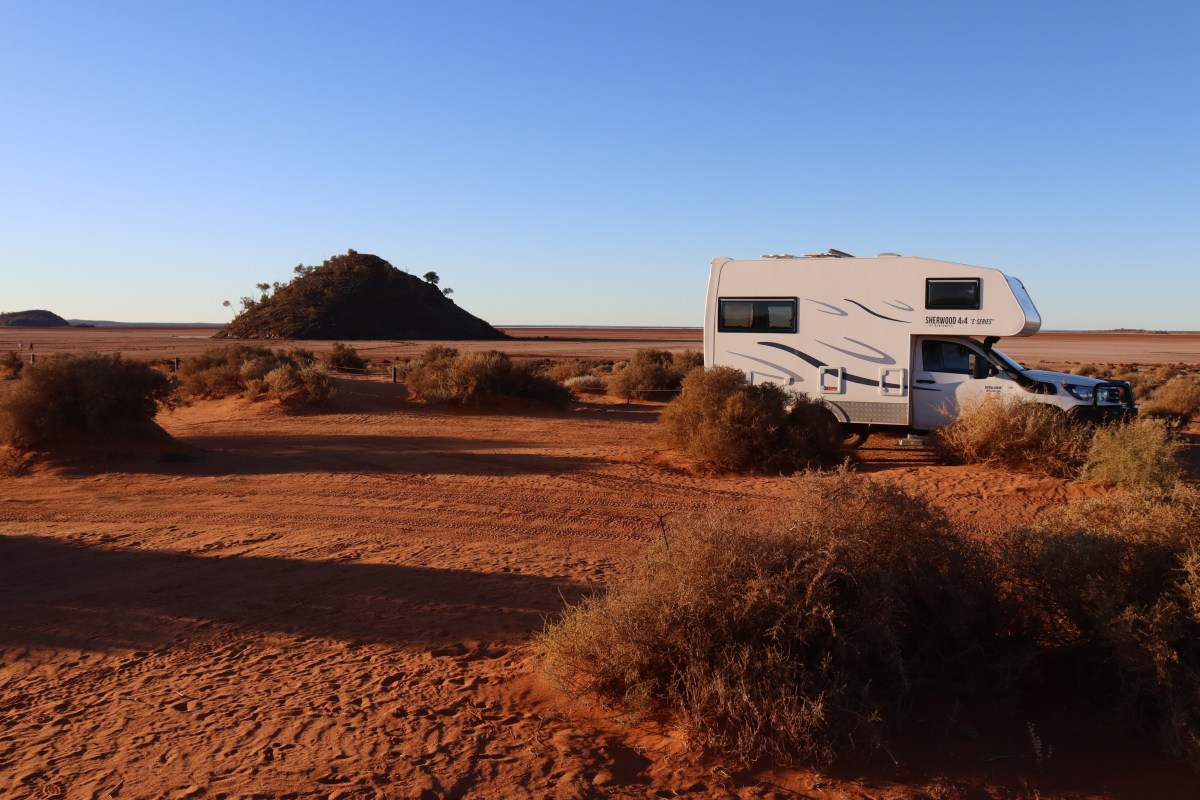
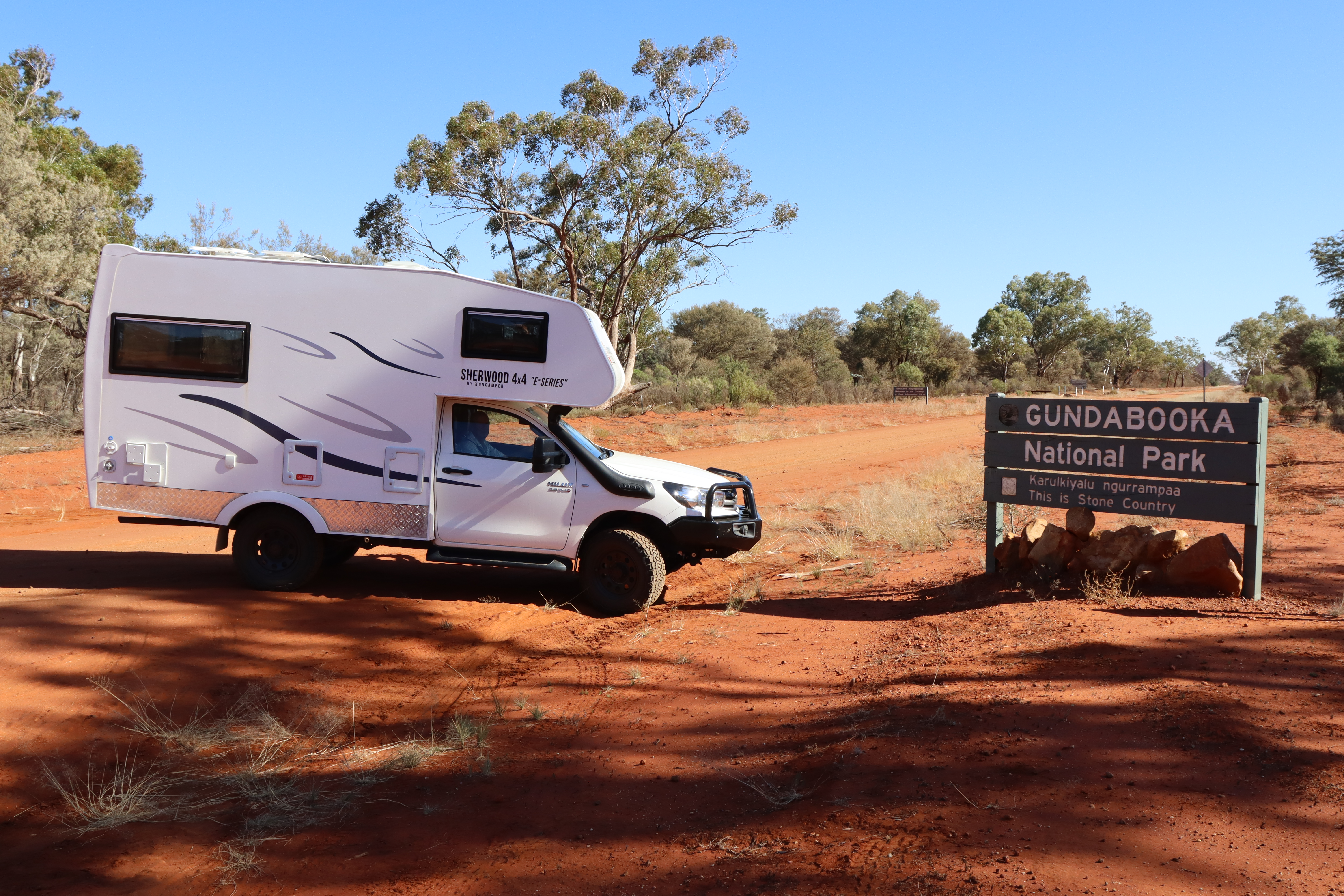
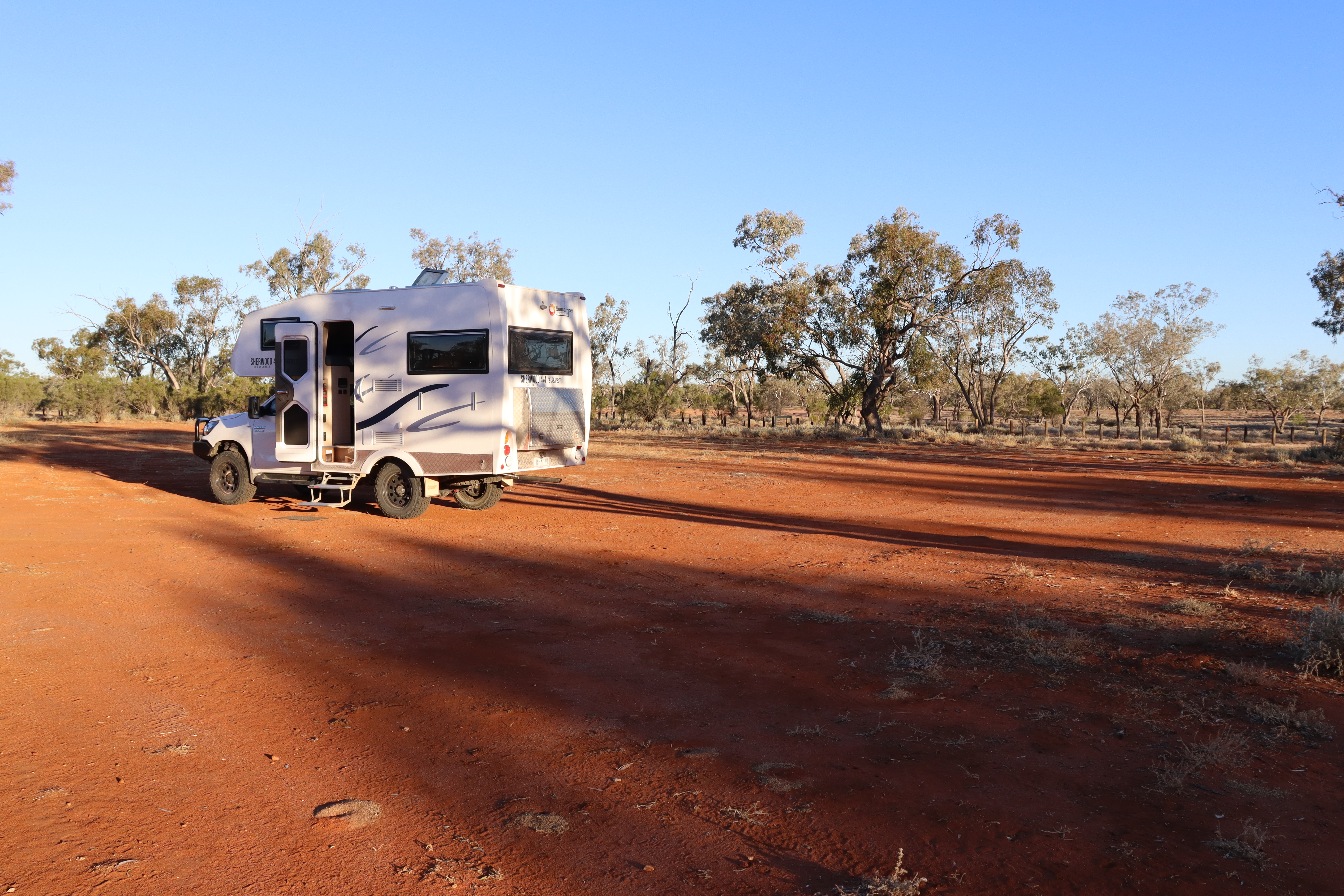
It had been over 36 years since we had travelled over there (except for a brief stop in Perth airport on our way to Broome for a Kimberley Cruise) and we had a few places on the list that we had never been to, so we packed up Roxy (the motorhome) and took off.
Rain once again had impacted on our initial travel plans: we had intended driving up into the Northern Territory and across to WA on the (dirt/gravel) Great Central Road, but as we began our trip, that road was closed due to rains, as were several others. We even managed to get stranded for a few nights in a couple of places where the rains came after we travelled in and so we had to wait till roads dried a bit and opened again before we were able to get out again. No drama – all part of travelling the outback during winter.
So instead of heading north, we took the “easy” option and drove across the Nullarbor, which was great as we hadn’t done that for 36 years either.
Along the way, we stopped in at a number of places to vary the route and make it a little more interesting.
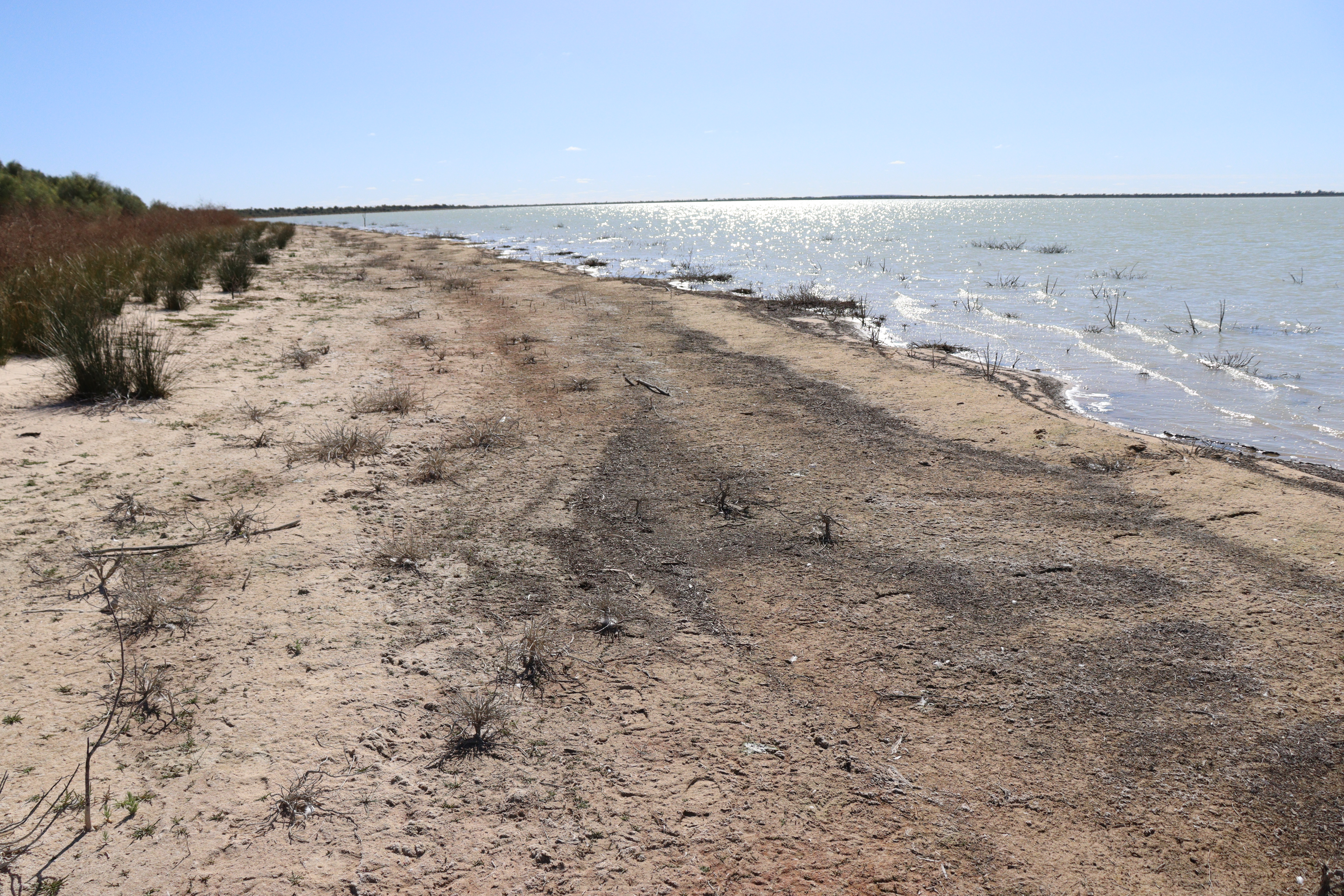
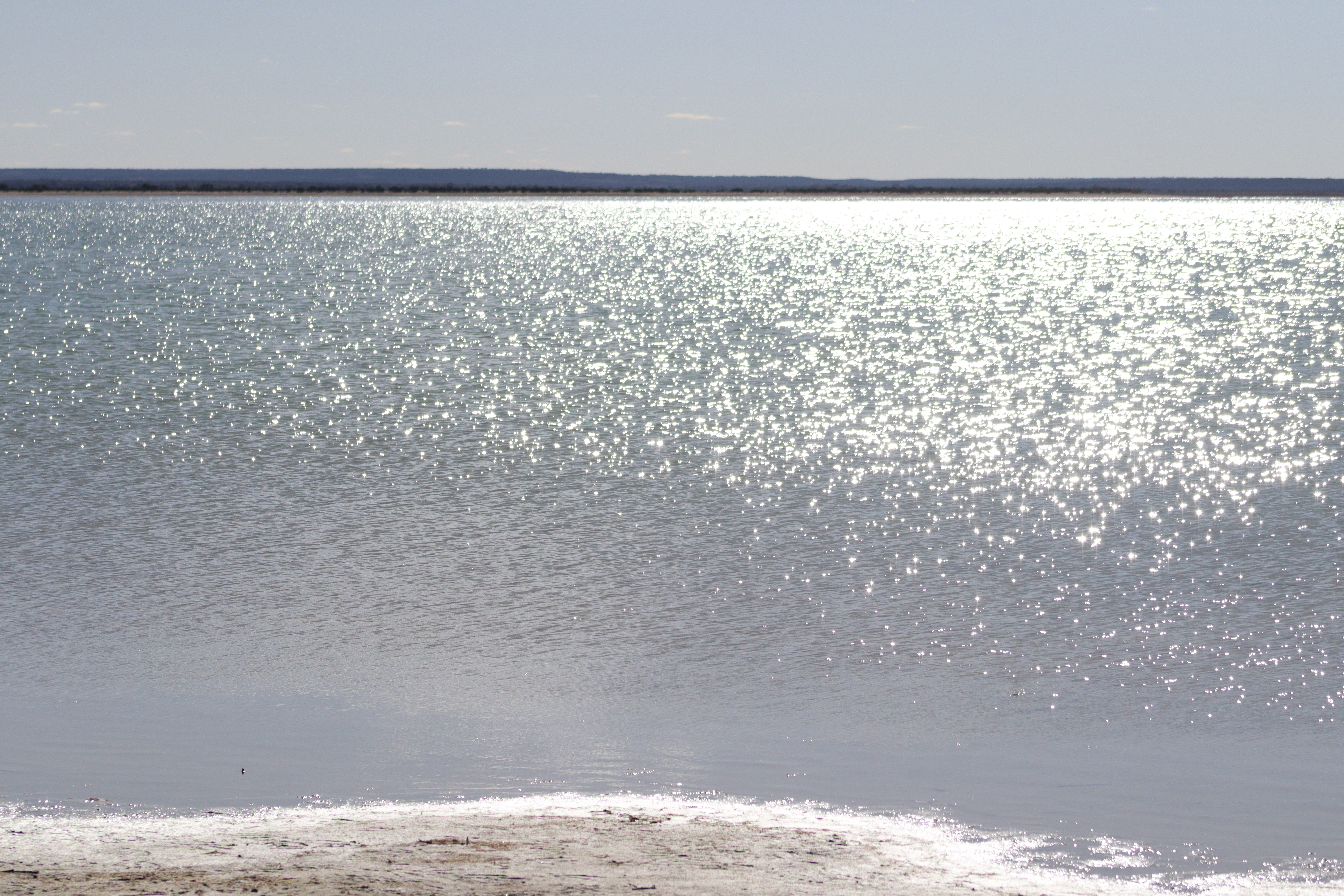
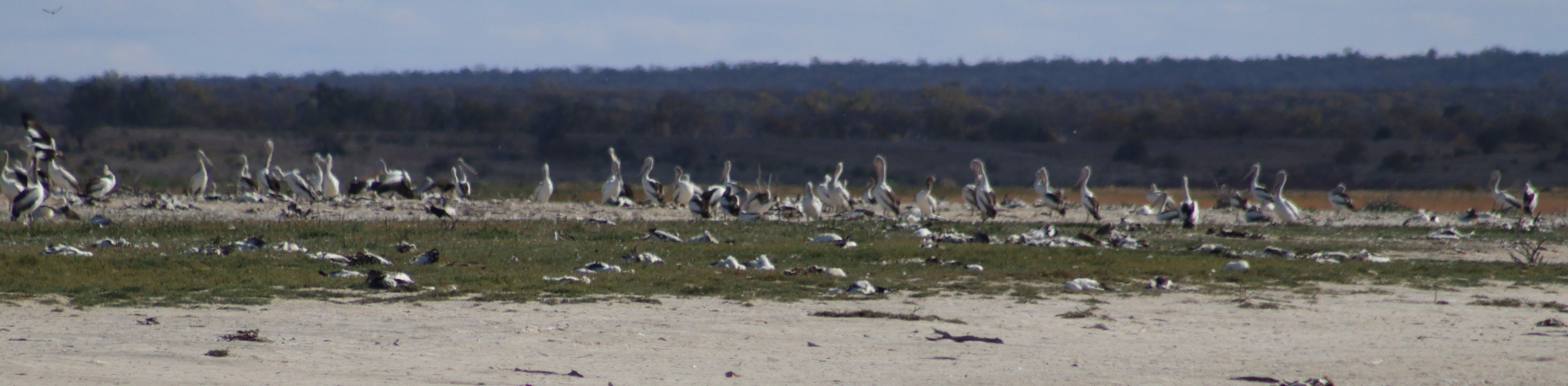
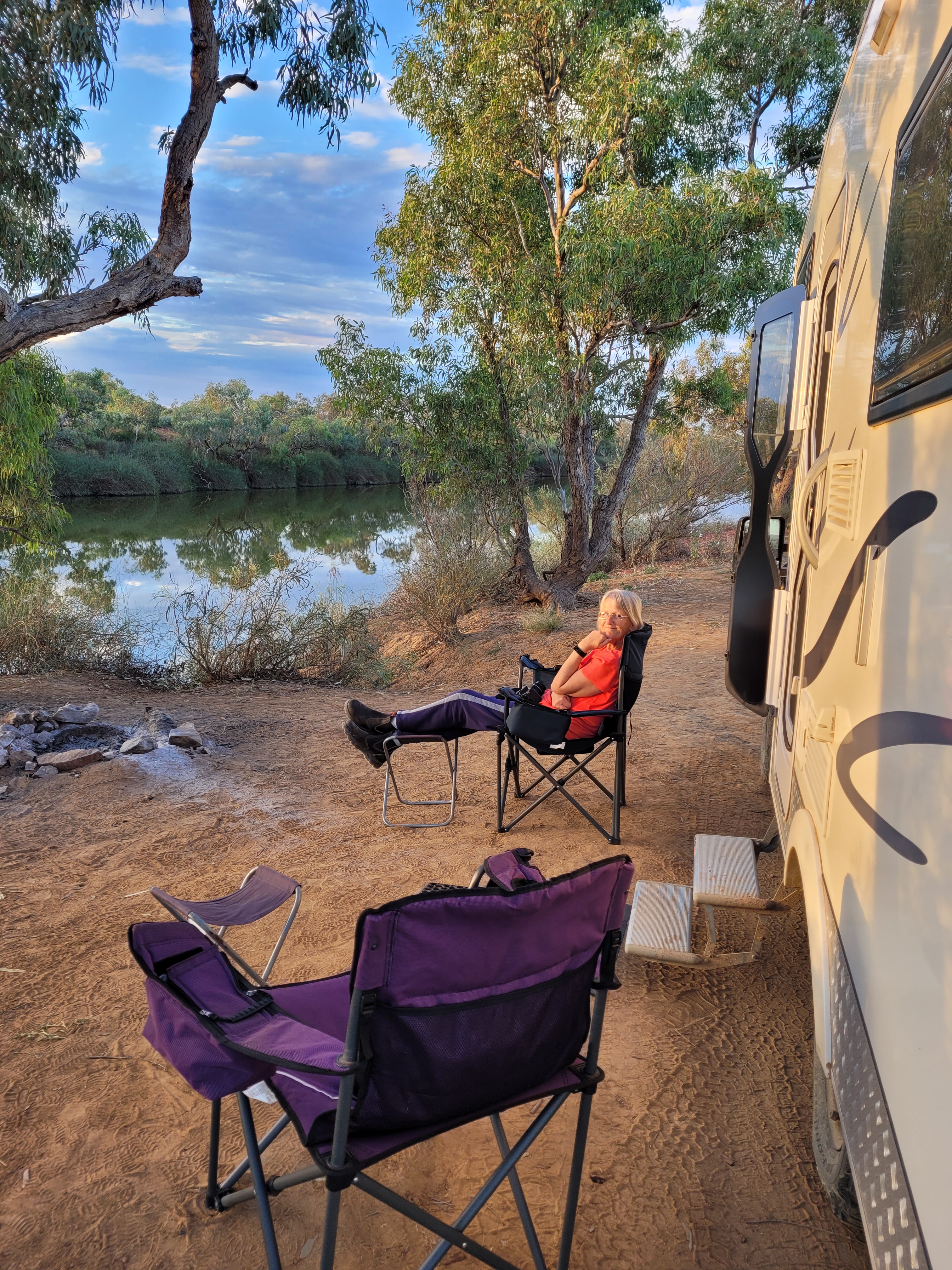
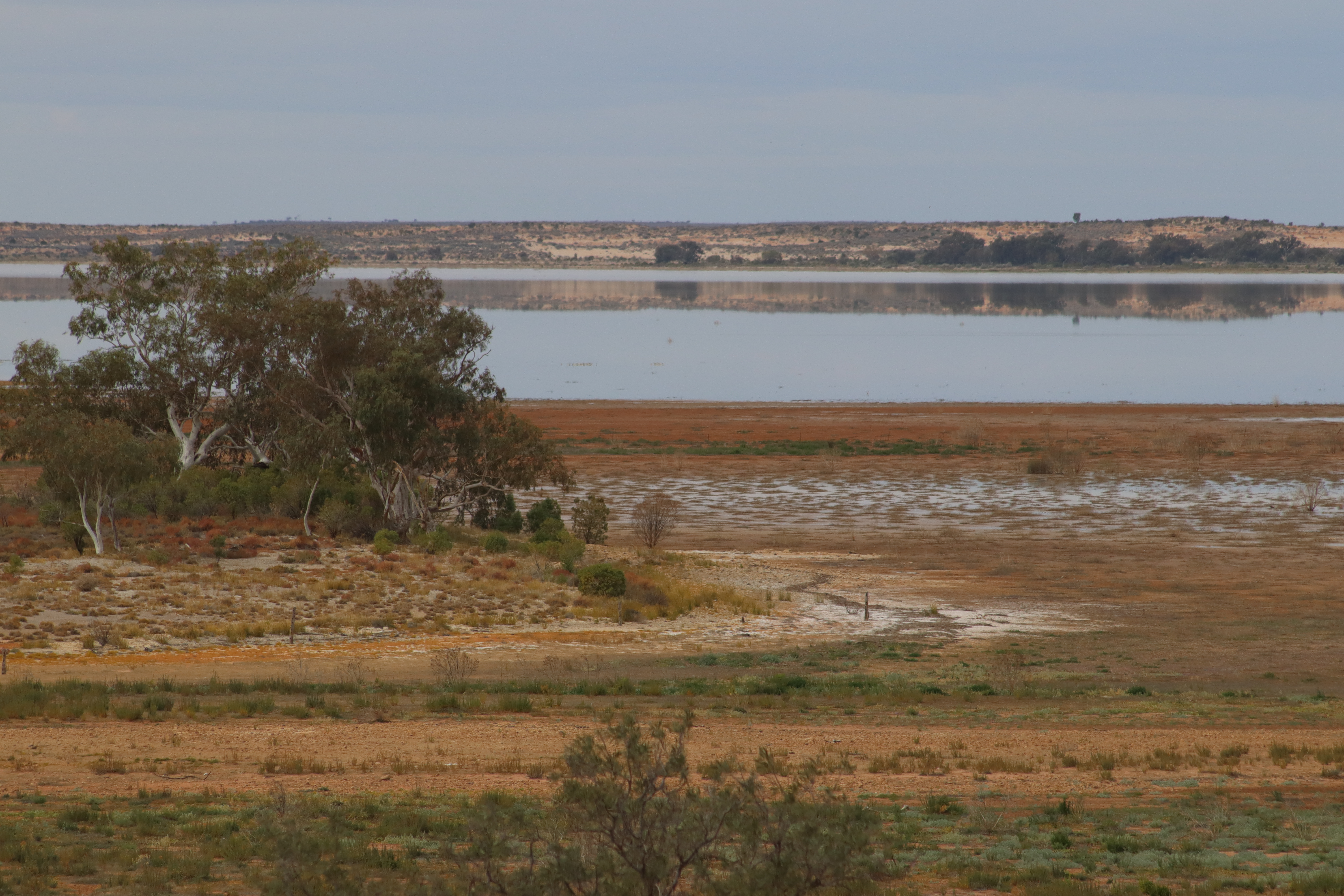
Starting with a couple of nights camping on the Murray just out of Robinvale, we headed up through Mildura to take a back road (dirt of course) across to Renmark, thus avoiding the main highways and traffic. Pulled up for the night at a free camp on the Rufus River Road at Lake Victoria, and true to form, the rain came which kept us there for the next three nights as the road was closed to all traffic. We managed to fill in those days quite easily by exploring the local area, although we couldn’t venture too far as we had to go on foot – even then we found ourselves getting taller with the sticky mud clinging to our shoes. So we checked out Lake Victoria with its resident populations of pelicans and cormorants and other water birds, and its sad history of the Rufus River Massacre of 1841. We also took a longer walk out to the Lock 7, one of the 13 Locks along the Murray River which maintain flow, water levels and navigation of the river. No boats coming through that day, so we turned around and walked the long sticky walk back to our campsite.
After three days we heard the road was open again, so rather than continuing through to Renmark, we thought it was wiser to backtrack the shorter distance to the bitumen and stay on bitumen for a while. In doing this we still had to navigate about 60km of sticky gluey road and we quickly concluded that this road should NOT have been open to traffic yet!! However, we made it back to Wentworth, with Roxy weighing a whole lot more than when we went in, due to the mud that had collected in every wheel well and on the mud guards and bumpers. We even had to stop at one point to clean off the manual step that had dropped down with the weight of the mud it had collected as we drove along.
Staying on bitumen till we got through Port Augusta, we turned onto a dirt road to spend a few nights in the Gawler Ranges at Mt Ive Station, a working sheep station that offers camping, accommodation and a bar, along with its unique tourist sites including Lake Gairdner, a huge salt lake where annual Speed Week events occur and Land Speed Records are attempted. Four-wheel drive tracks around the property take you to other sites of interest, including the Organ Pipes, a large stand of rhyolite pillars, and The Embankment, a dry-stone wall dam built in the late 1800s for water catchment. This dam wall does have a small leak and although he tried (and unlike the little Dutch boy) Gary was unable to stem the flow by plugging it with his finger!


Leaving Mt Ive, we passed through the Gawler Ranges National Park – spotting a Mallee Fowl on the roadside – and down to meet the Eyre highway at Minnipa, to continue on our way out west, with a couple of overnight roadside stops.
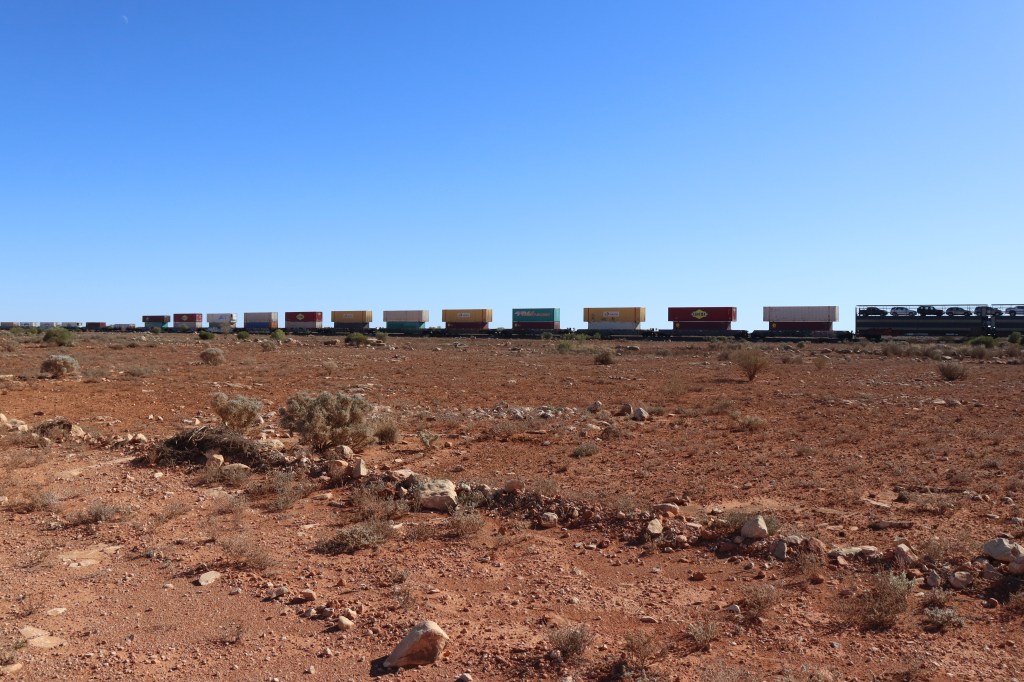
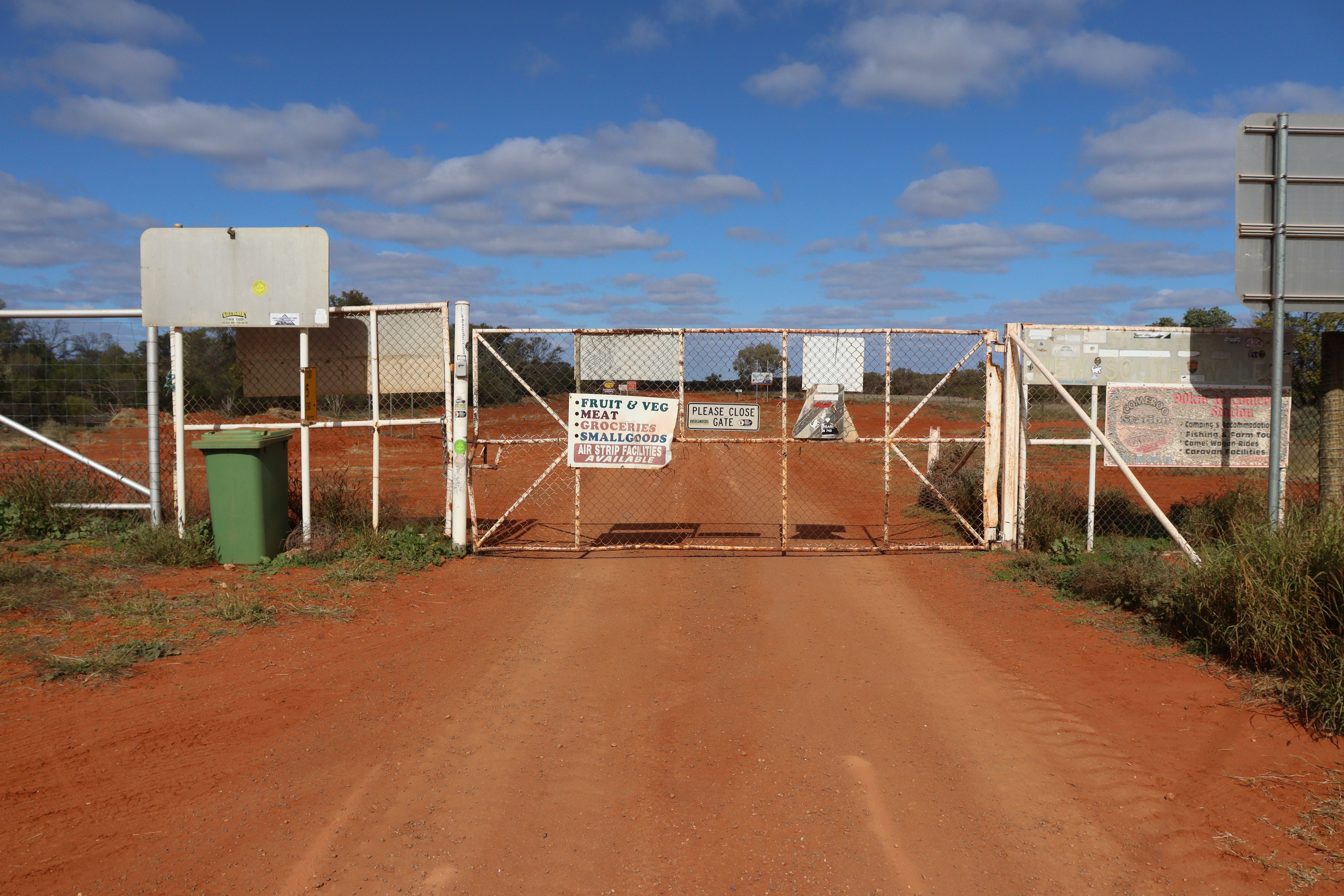
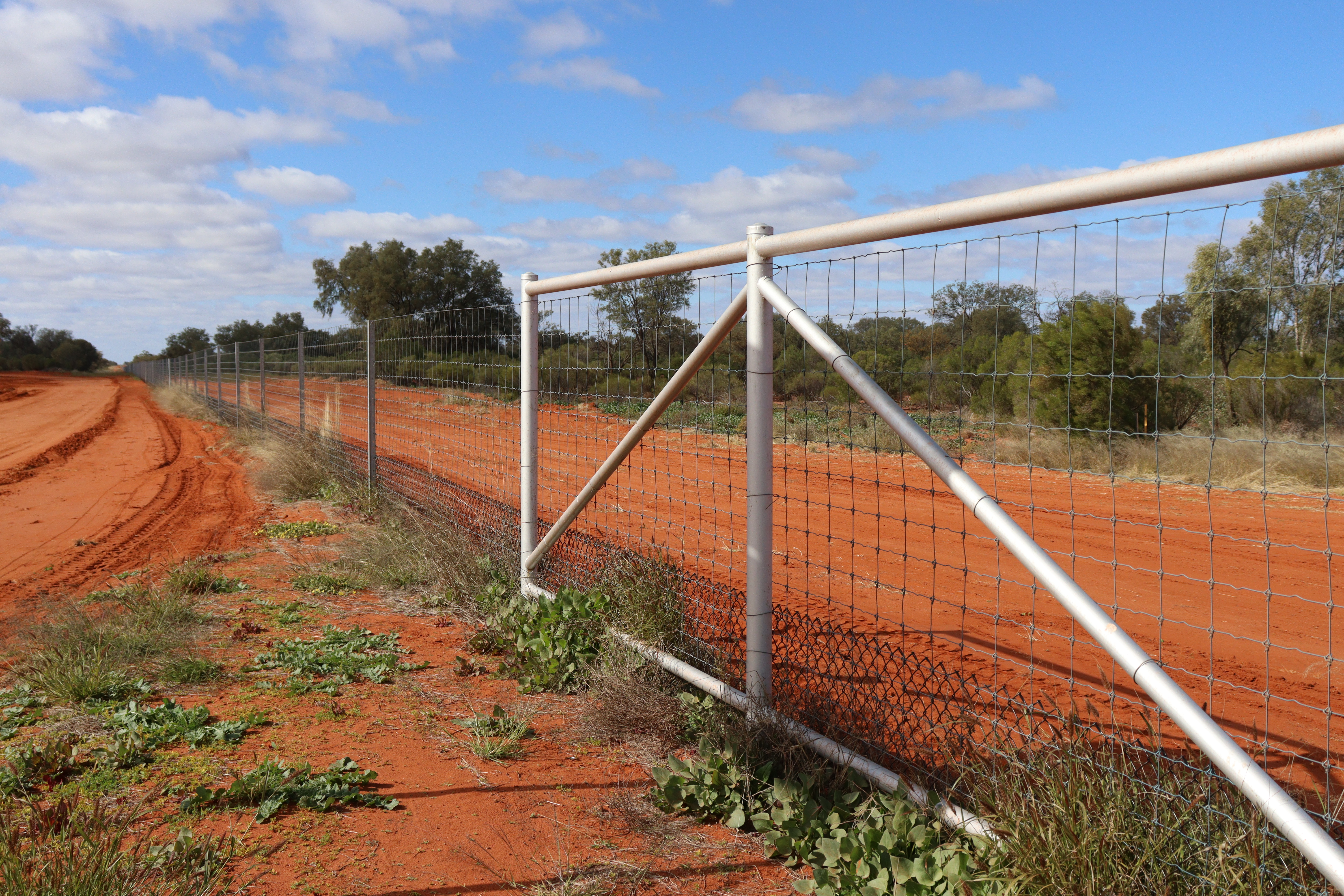
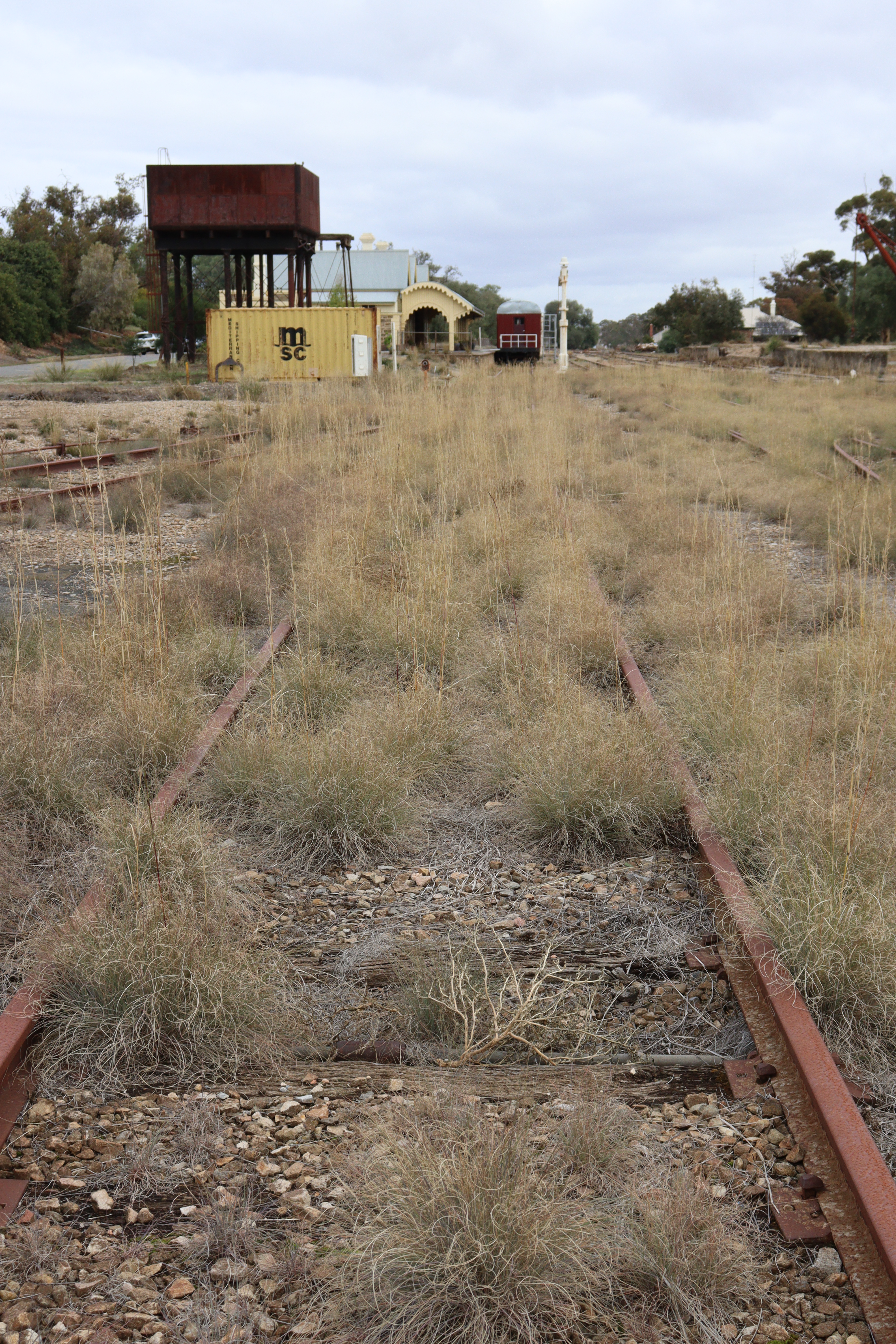
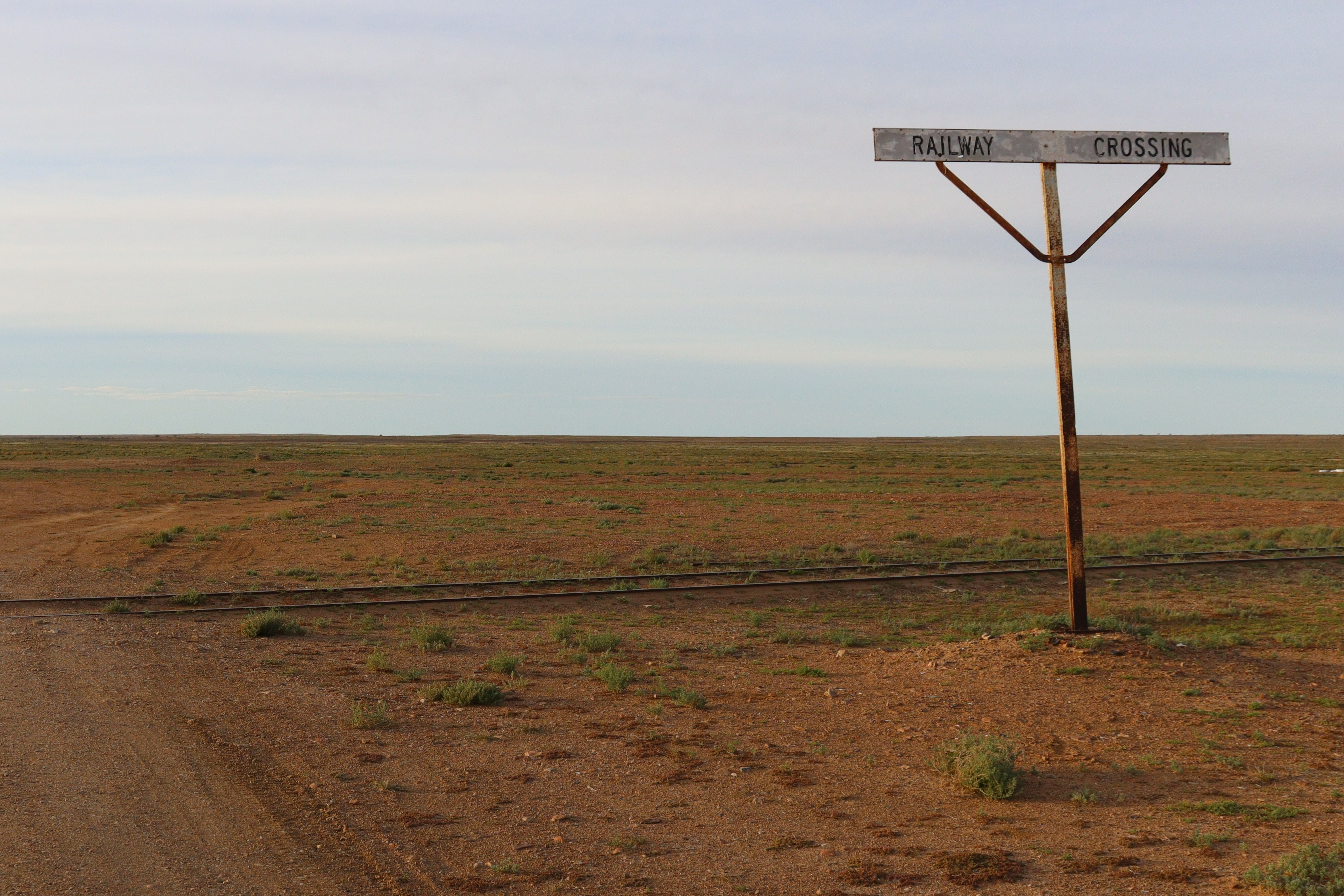
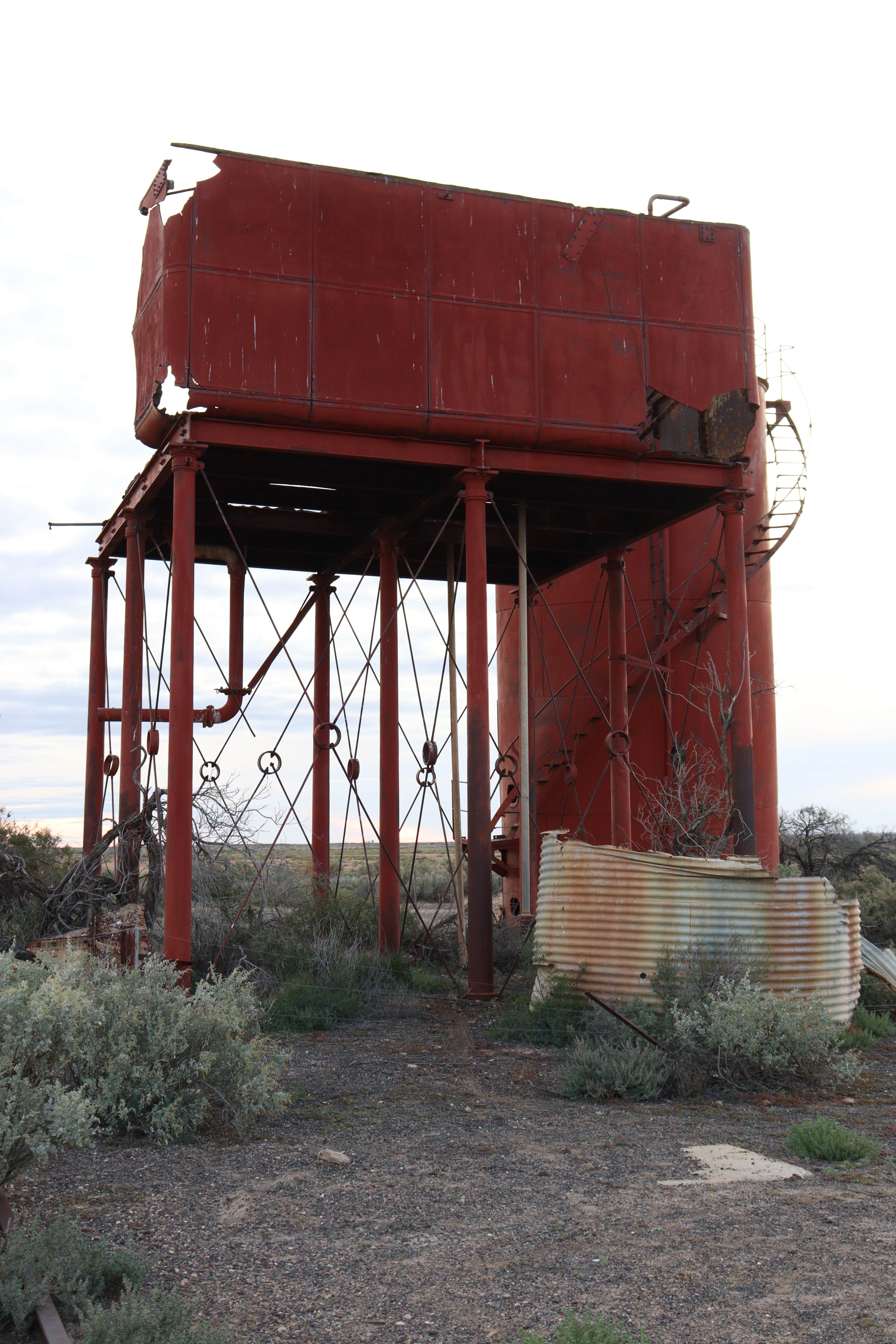
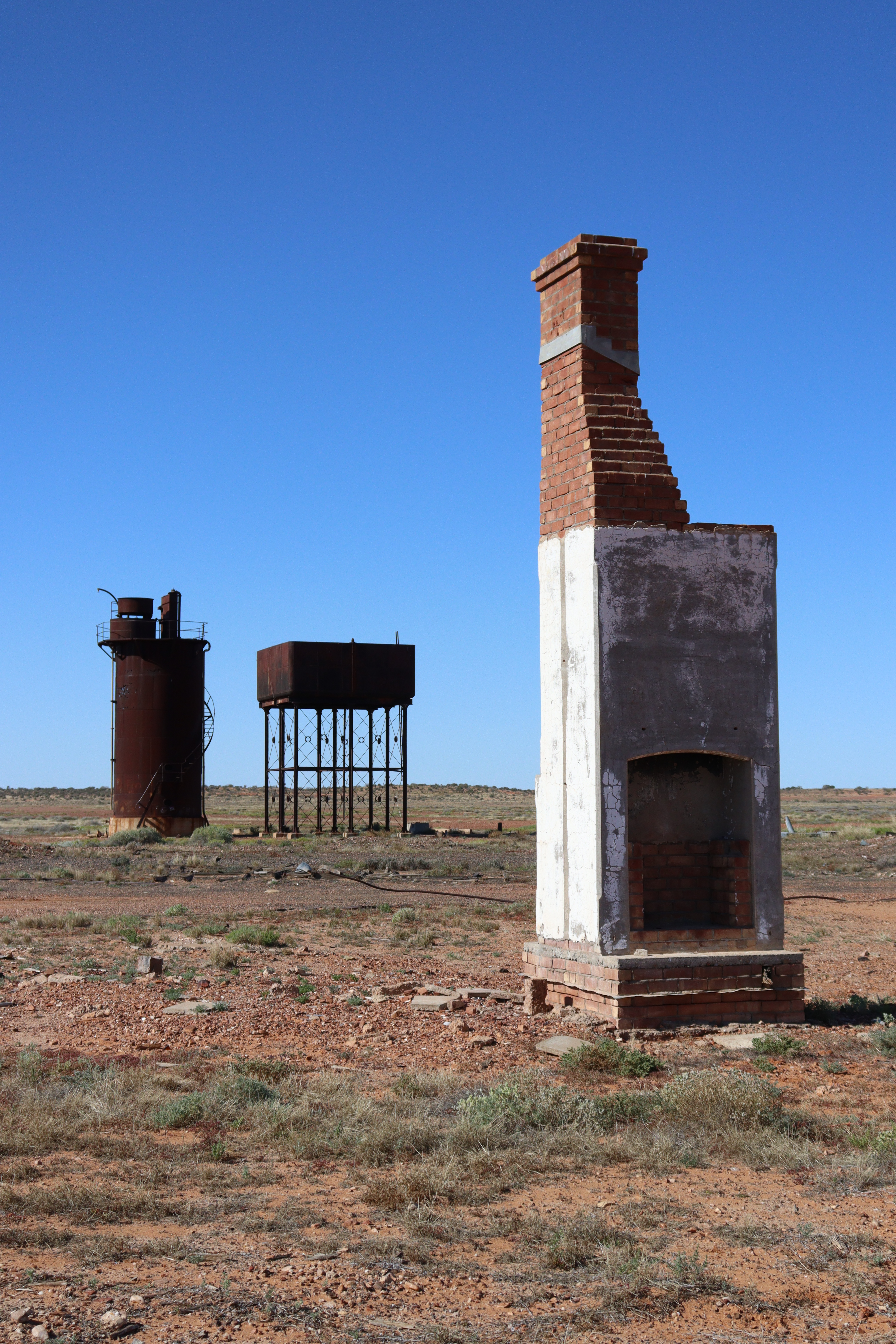
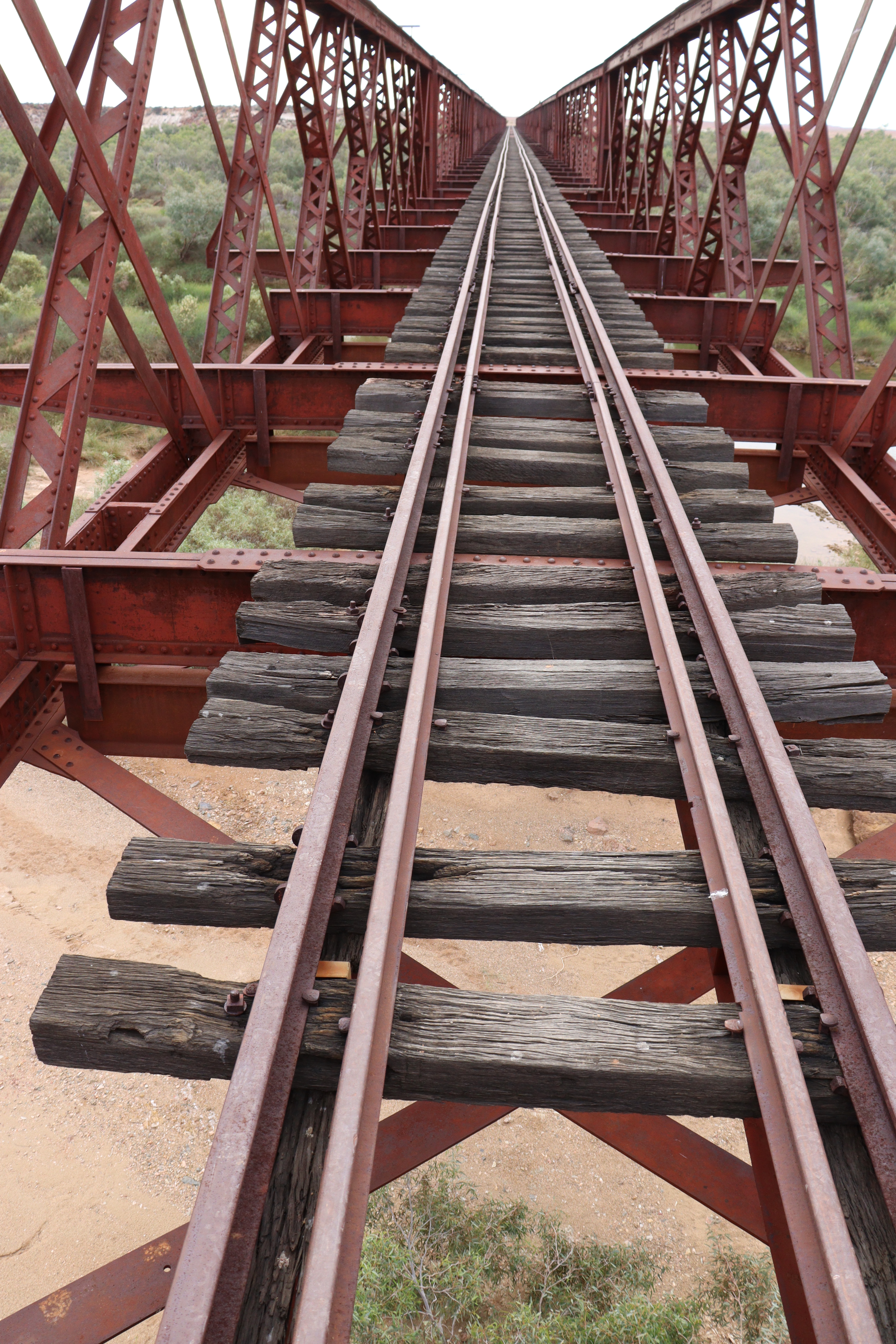
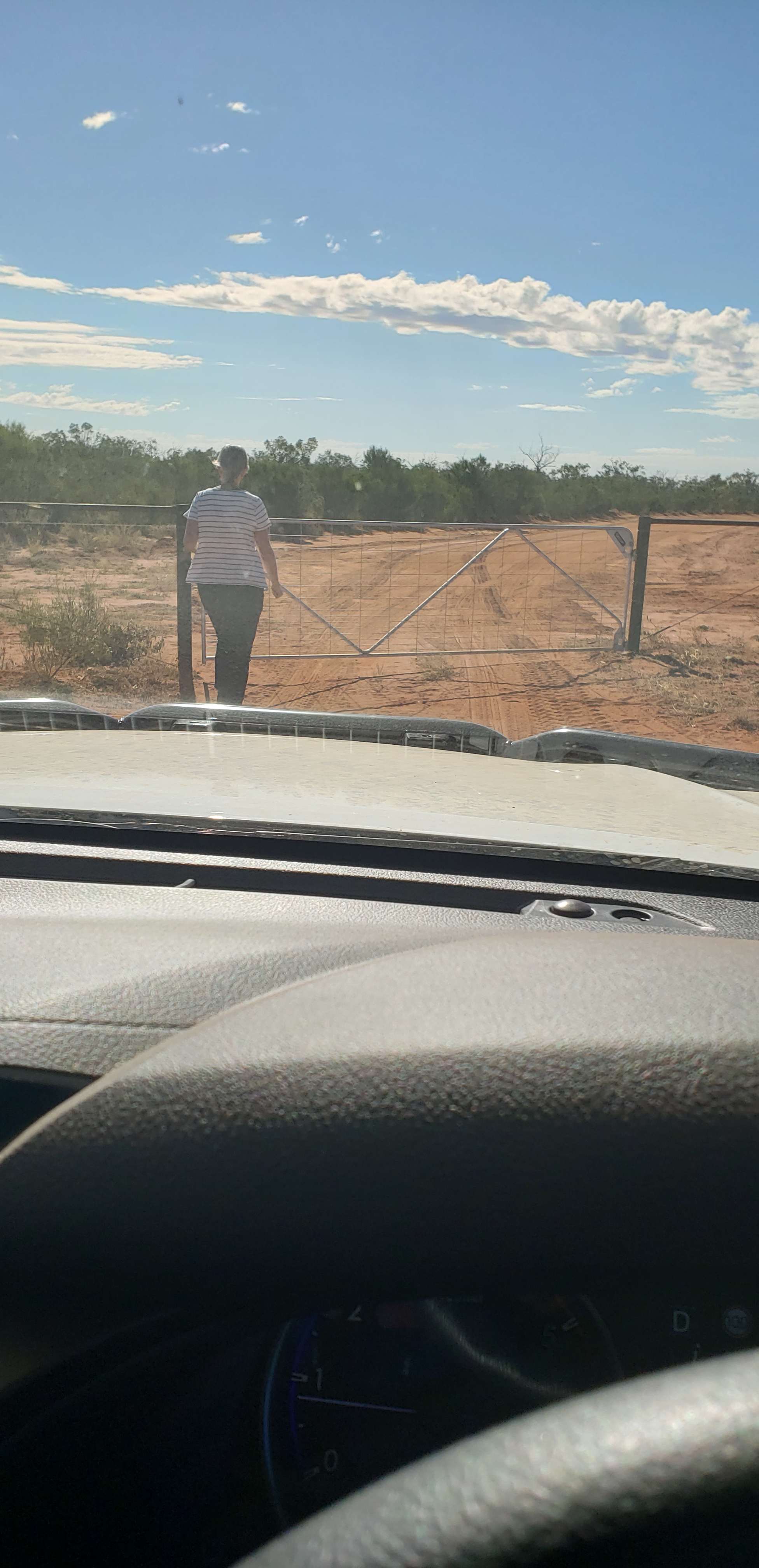
After crossing into WA and driving about 300 km, we detoured off the main highway and crossed the plains northwards on a pretty rough “road” (120 kilometres took us 6 hours!!), through 11 farm gates of varying styles, till we hit the Trans Australian Railway line at Haig, one of the original “towns” along the Line. From there, we followed the railway line on the Trans Access Road, a very well-maintained dirt road, the rest of the way into Kalgoorlie and the Goldfields. Stopping in at Rawlinna (population 30) another of the towns along the line, we had lunch and a cuppa on the huge tables at the station, where passengers on the Indian Pacific train trip across the country are treated to an “Outback Experience” of dinner under the stars.



Kalgoorlie has a great FREE (in our price range) Museum of the Goldfields, and lots of grand buildings dating back to the height of the gold rushes there. The town is dominated by the “Superpit”, the huge hole in the earth formed by dredging for gold. If you do nothing else in Kalgoorlie, it is well and truly worth going up to the Lookout which overlooks this massive operation, where, since gold was first discovered in 1893, over 60 million ounces of gold has been produced, making it one of the richest gold producers in the world.

North of Kalgoorlie, we called in at the Two Up Shed, one of only two venues in Australia where Two-up, the gambling game popularized by WW1 Australian soldiers, is legally played any time, happening here most weekends and public holidays. Elsewhere playing the game is illegal except on Anzac Day.
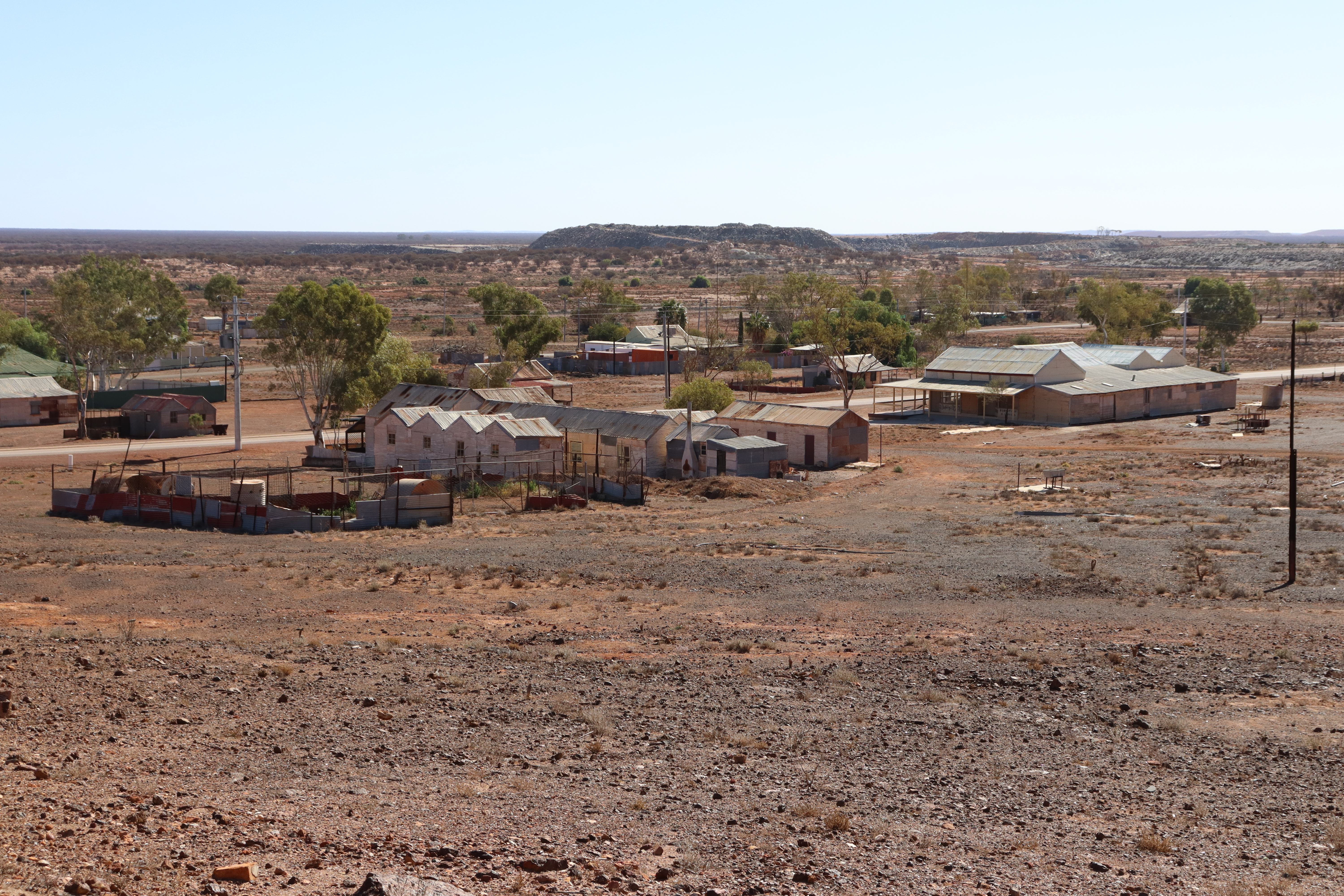
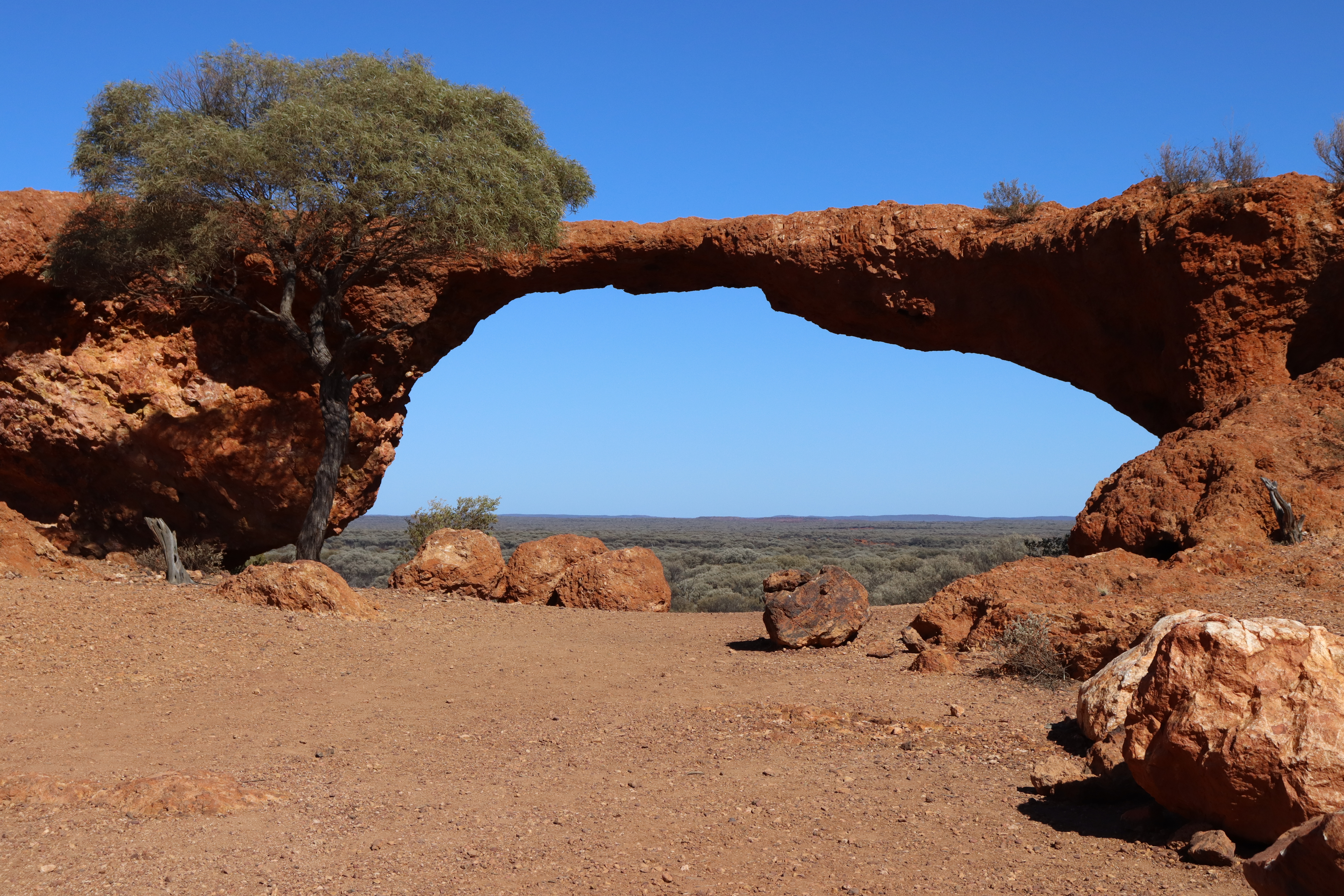
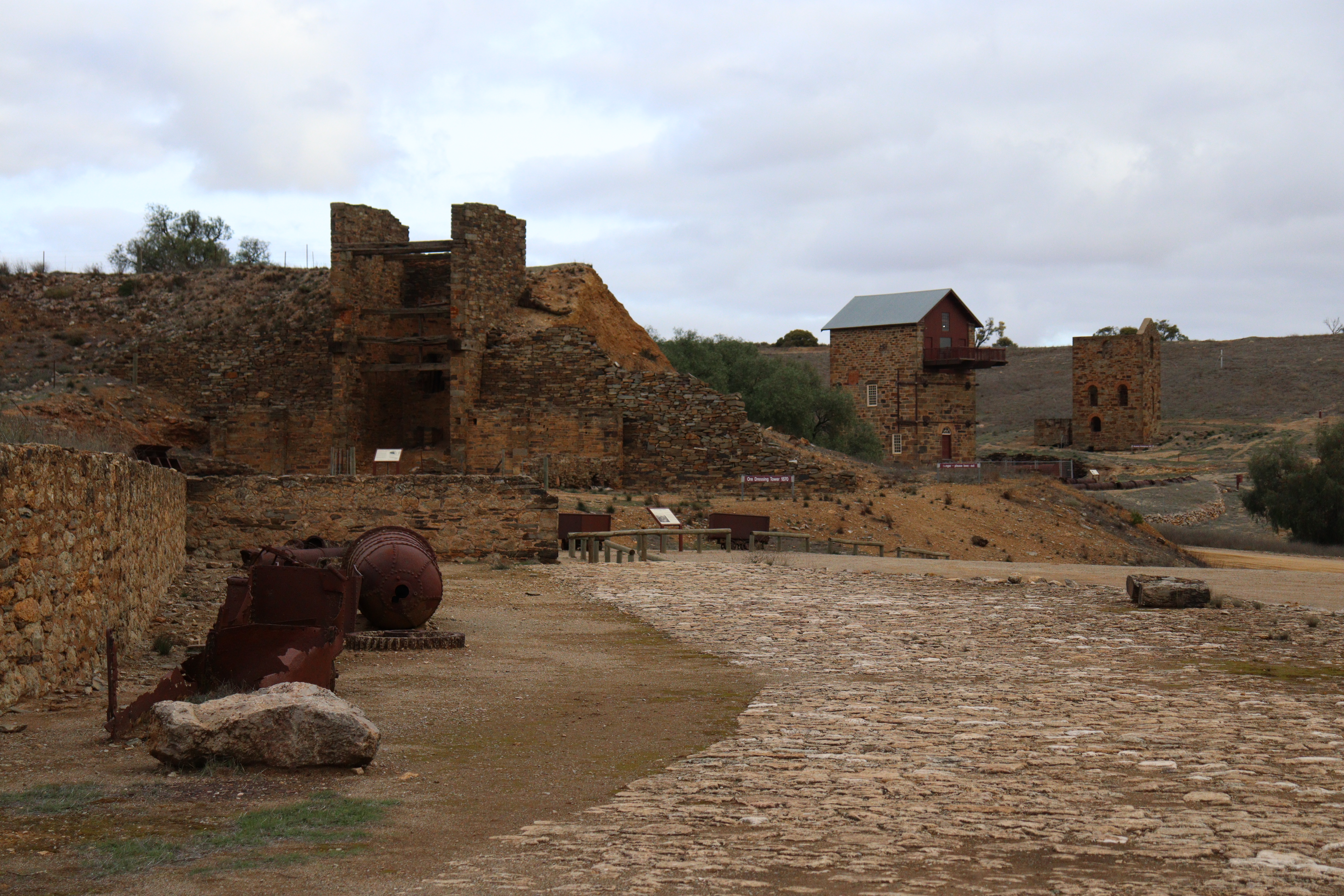
After lunching on the biggest hamburgers I’ve ever seen at Broad Arrow Tavern, we followed the Golden Quest Discovery Trail along some minor trails and backroads to places steeped in goldfield history, including: Ora Banda, Copperfield, Goongarrie, Davyhurst and Mount Morgans, most of which are now just sites of former towns; and Kookynie, a stop on the rail line that still boasts an open pub – but getting a drink can take a while as feeding the local horse at the front door takes precedence! And the quaint old town of Gwalia, home of the 1.6 kilometre-deep, 1897-established Sons of Gwalia Mine, once managed by (future US President) Herbert Hoover, and where old miners’ cottages and “camps” (shacks) have been preserved and restored by volunteers. Goldfields towns that still have decent (and friendly) populations and include Leonora, Menzies, Laverton and Sandstone, are surrounded by some amazing country and natural features, notably The Granites, and Ularring Rocks, both of which are piles of large red boulders and rocks that resemble a mini version of the Devils Marbles of NT; and the impressive London Bridge, a weathered basalt archway believed to be around 350 million years old.



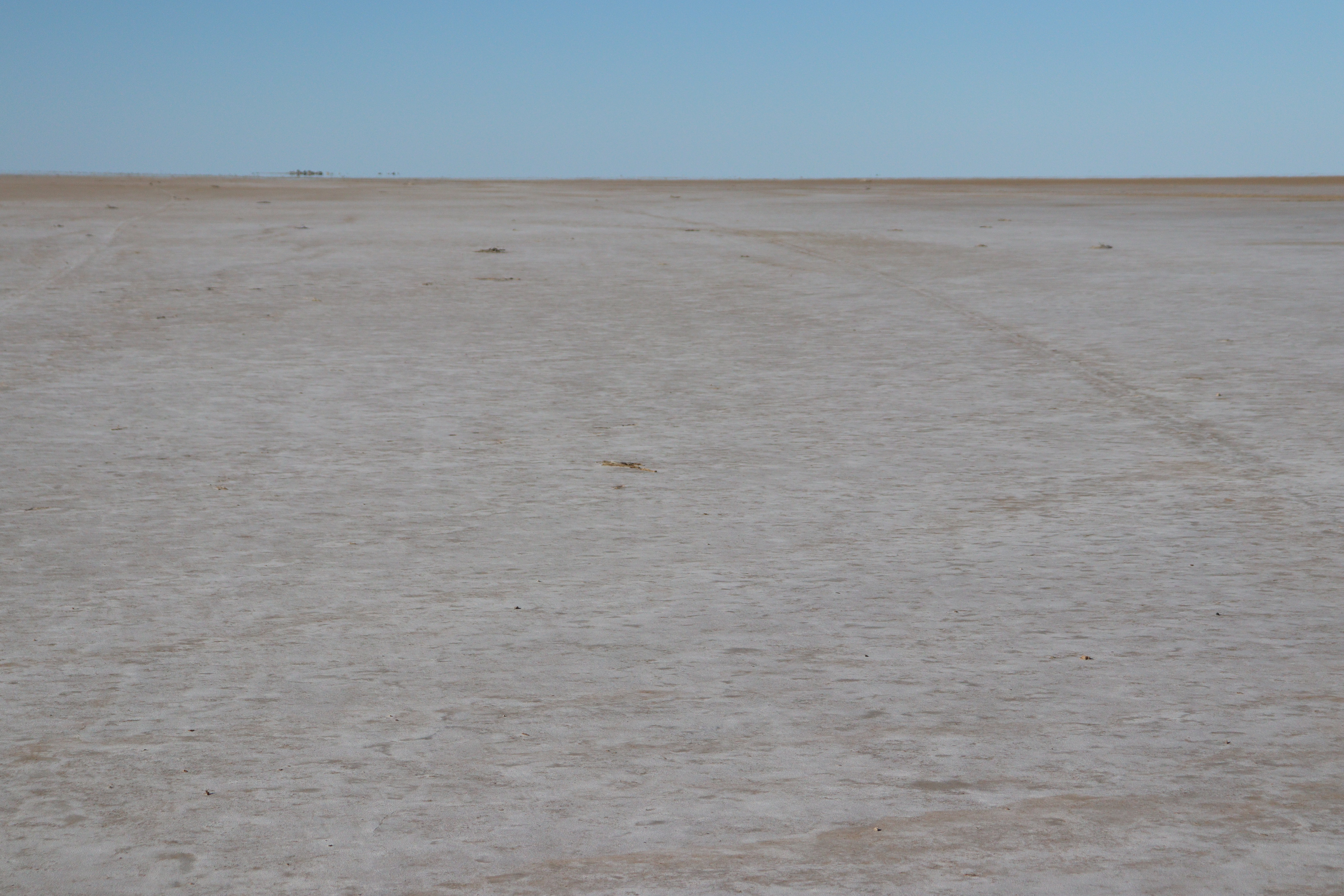
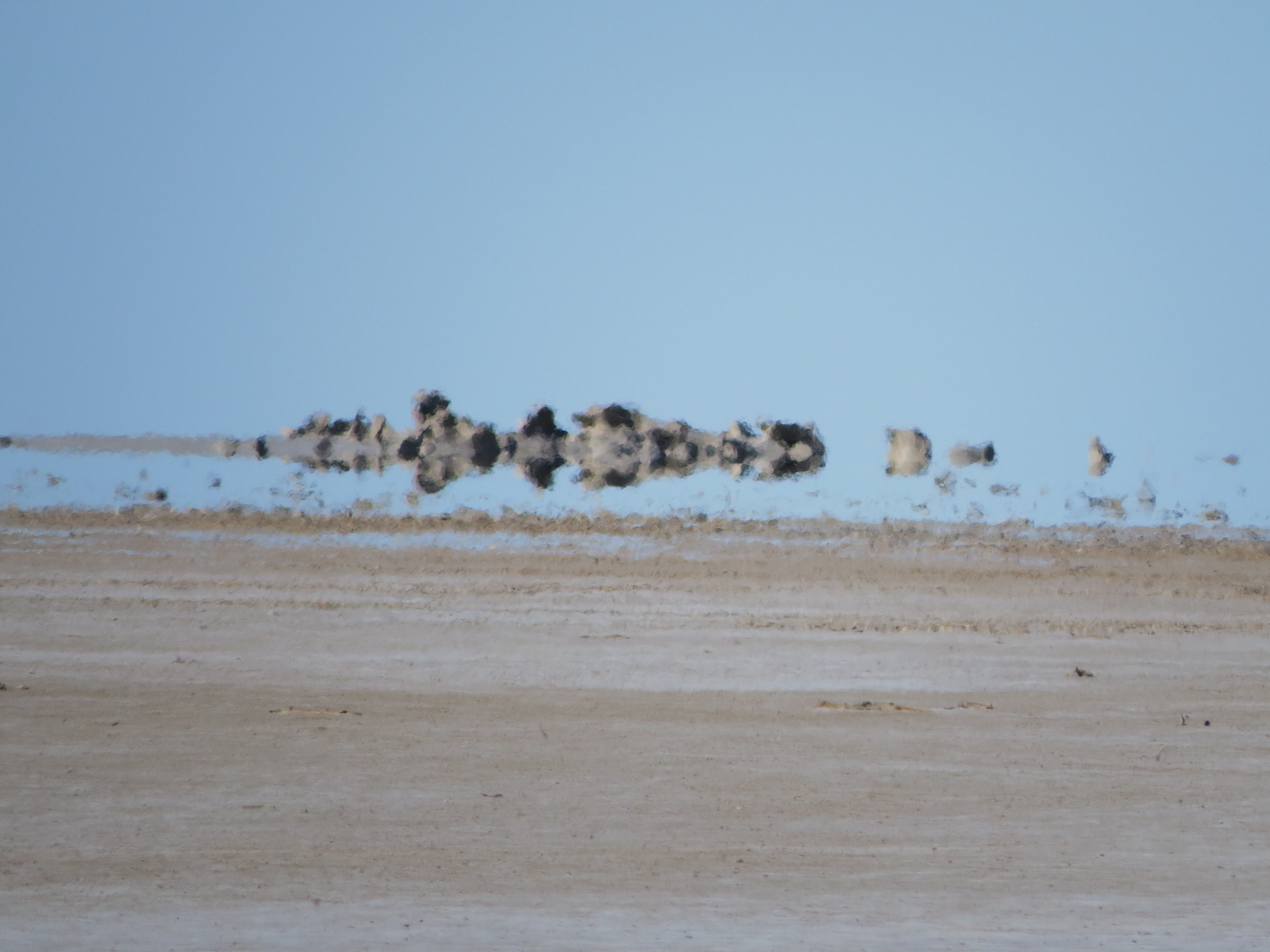
Lake Ballard, a huge (mostly) dry salt lake has an outdoor art gallery featuring 51 life-sized metal statues representing people from the nearby town and spaced out across the surface of the lake, so you need to walk several kilometres to see them all. Gary managed to find about 32 of them but I only got to about 10!

From the goldfields we headed south through Meckering, site of the 1968 earthquake that was felt over a 700 km radius, virtually destroying the township and leaving a 37 km-long fault marking the quake’s vertical lift of 1.98 metres.
After a couple of days in Mandurah to visit Gary’s sister and brother-in-law, and checking out the Mandurah Giants, massive giants sculpted from timber offcuts – well we only managed to get to one – we continued southwards to visit the giant trees of the Southern Forests. These Karri, Red Tingle and Jarrah trees are amongst Australia’s tallest trees growing to heights between 45 and 80 metres and girths up to 20 metres at the base. Famous among these giants are the fire lookout trees, where the fire-spotters used to climb the peg-ladders to the top of the trees to spend their days on the lookout for fires in the forests. In the past you could climb several of these trees as a tourist thing, but (luckily!!) they were closed for climbing when we were there and due to safety concerns have now been closed indefinitely. We got the tall tree experience by walking the Tree Top Walk in the Valley of the Giants, where you walk along suspension platforms 40 metres above the forest floor, which sway as you walk, simulating the movement of the top sections of these giant trees. Pretty impressive.
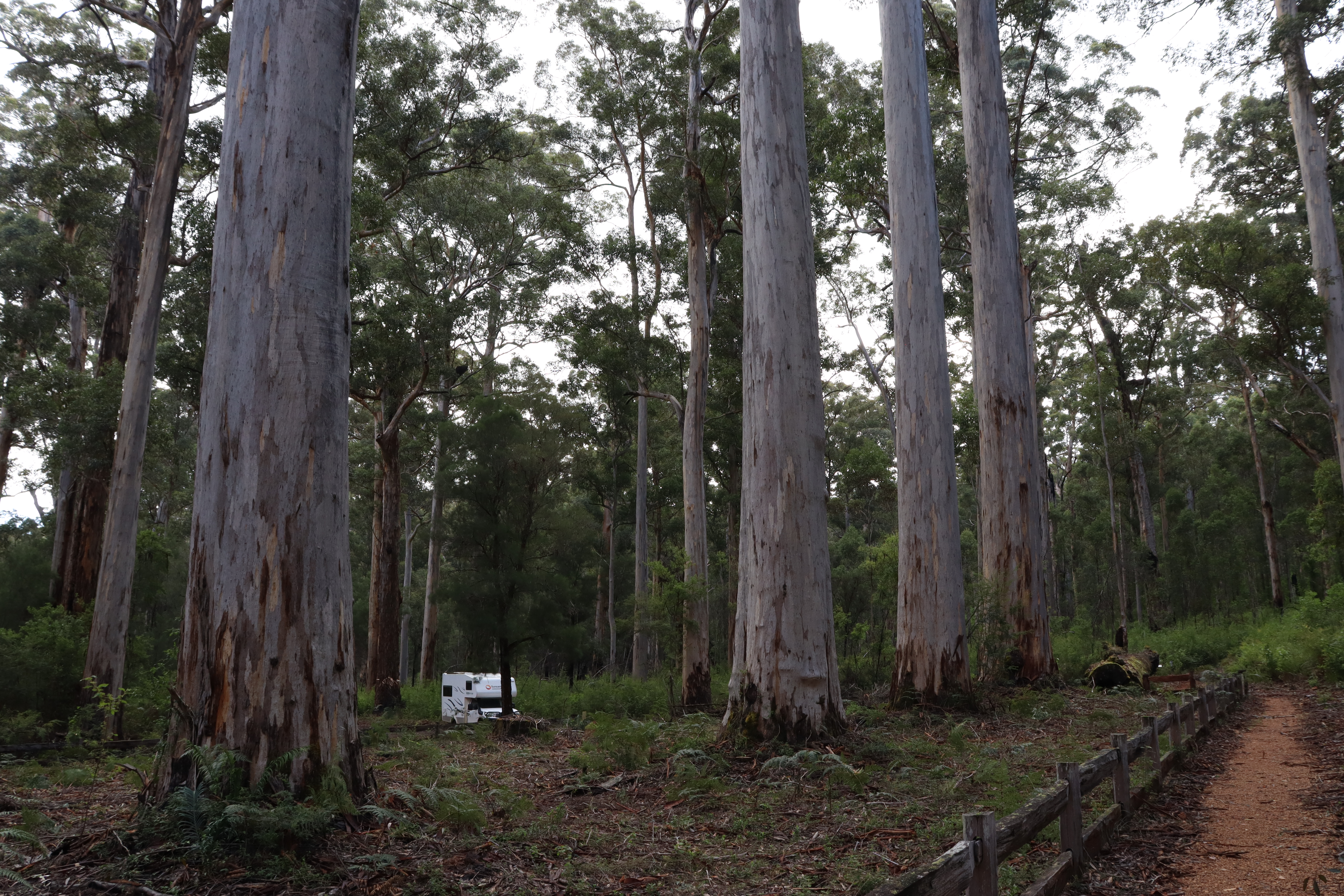


Starting to head eastward again, following the south coast of WA took us through some amazing places, mainly National Parks of the south coast.
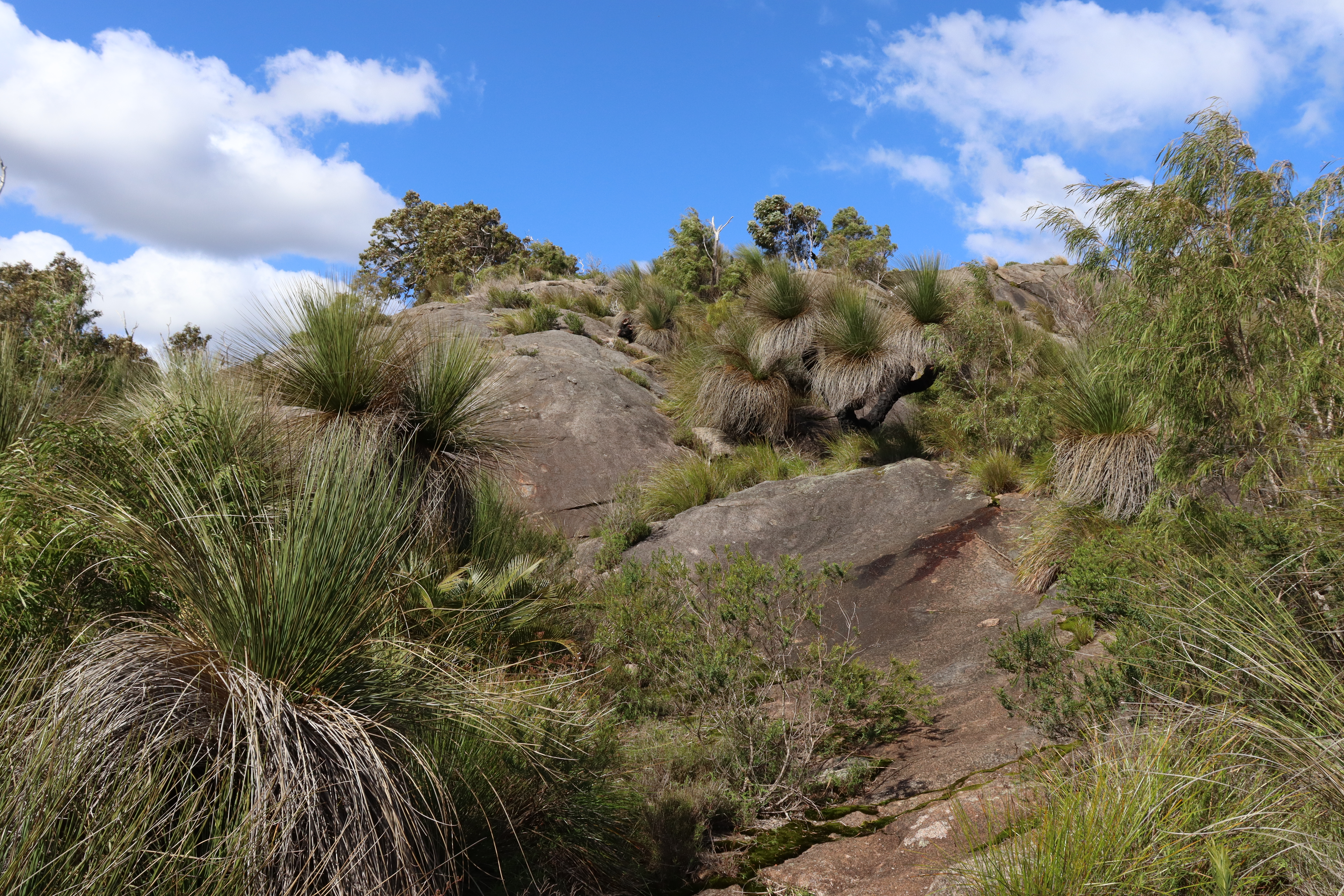
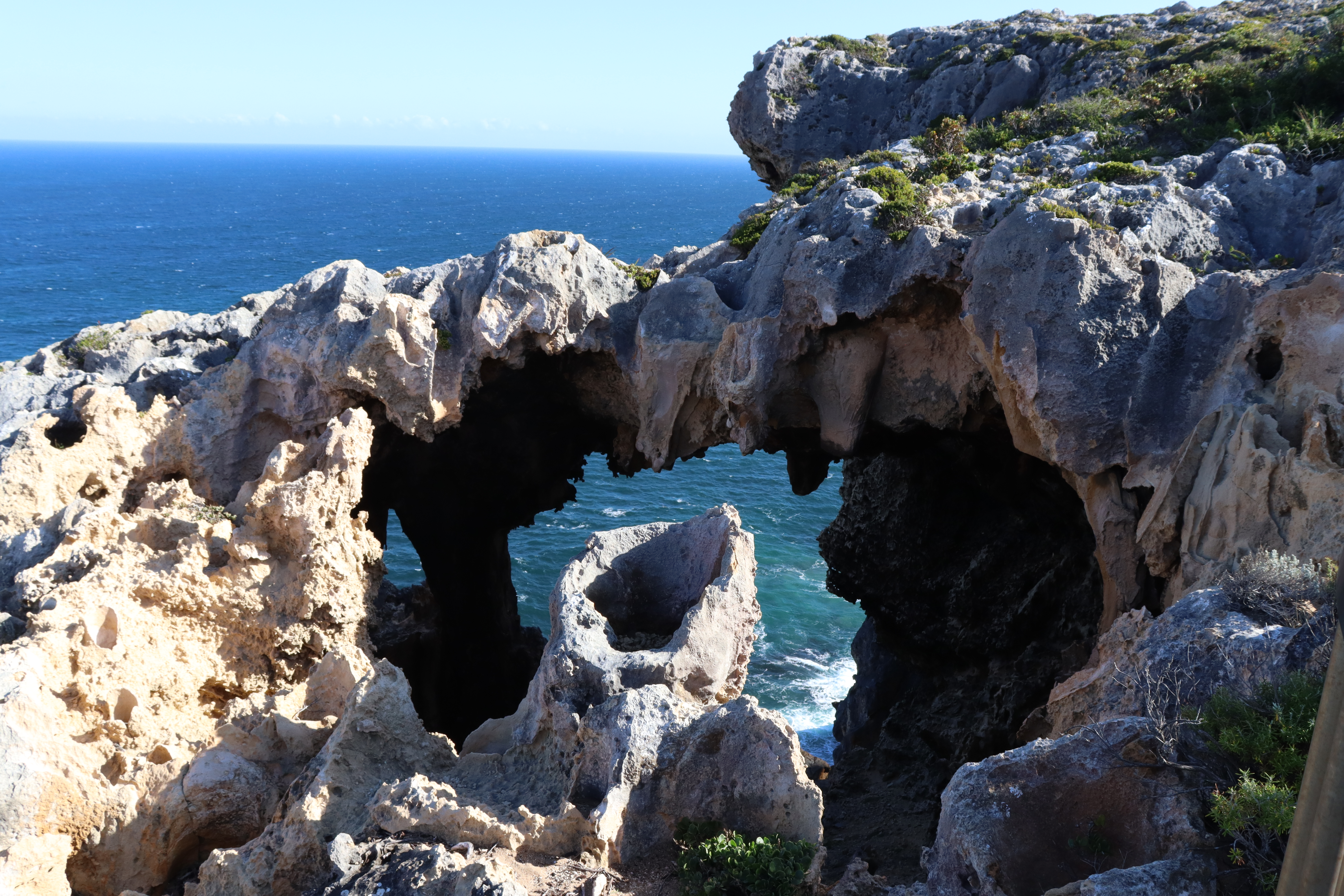
The D’Entrecasteaux NP ‘s two sections are vastly different from each other but both well worth visiting. The coastal section near Windy Harbour showcases the wild rugged beauty of the coastline bordering the Southern Ocean here and features several lookout points with the highlight being the amazing “Windows” rock formation. Further inland, the NP’s Mount Chudalup section features (oddly enough!!) Mt Chudalup where we walked the 1.5-kilometre trail and scrambled over some steep sections of rocks to the summit of this great granite outcrop for amazing 360° views across the surrounding country all the way to the coast. This section is a botanical treasure trove hosting 42 native moss species, 28 lichens and 6 liverworts, as well as trees, bushes, grasses and grasstrees.
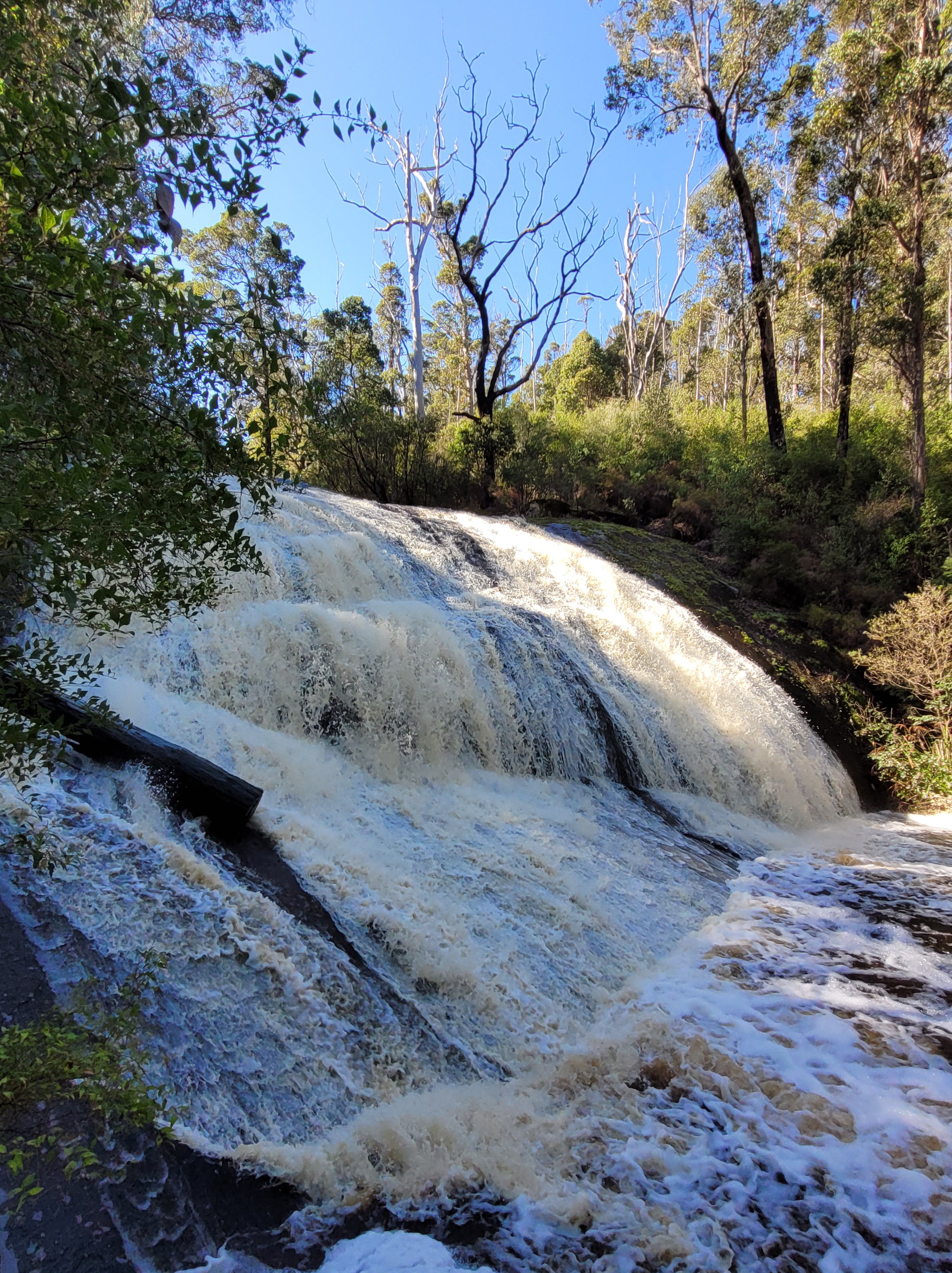
Passing through a number of other National Parks – Boorara Gardner with its spectacular Lane Poole Falls; Shannon NP, site of former timber-workers’ town but now a large camping area; Mount Frankland South NP with the thunderous Fernhook Falls; Mount Frankland NP with its steep trail, over 300 steps and several vertical ladders (and a warning NOT to proceed if “faint of heart or foolhardy” -ha ha!) to reach the summit, where we were nearly blown away by the gale like wind! – we finally came back out to the coast.
Torndirrup NP near Albany, is home to spectacular coastal sites that demonstrate the awesome power of the sea, namely: The Gap, where waves rush into a narrow chasm in the cliff, gradually wearing away the rock over millions of years; The Natural Bridge, where the waves have worn away the rock leaving an arch; and the Blowholes, where a small plaque on the rocks near some small cracks warn you to “Stand Clear – Heavy Swells force air and spray through cracks with great pressure!” which indeed they do! Standing near the cracks, we were suddenly BLASTED with a huge rush of air which had us in hysterics at the unexpectedness of it!!
Albany is also home to the Historic Whaling Station, and a visit here is well worth it. There are several relics from the days of whale hunting including a whaling boat complete with harpoons, the cutting floor, several skeletons and LOTS of information. You leave this place wondering how the hunters could have continued hunting these beautiful, amazing creatures, and thankful that it has been banned.

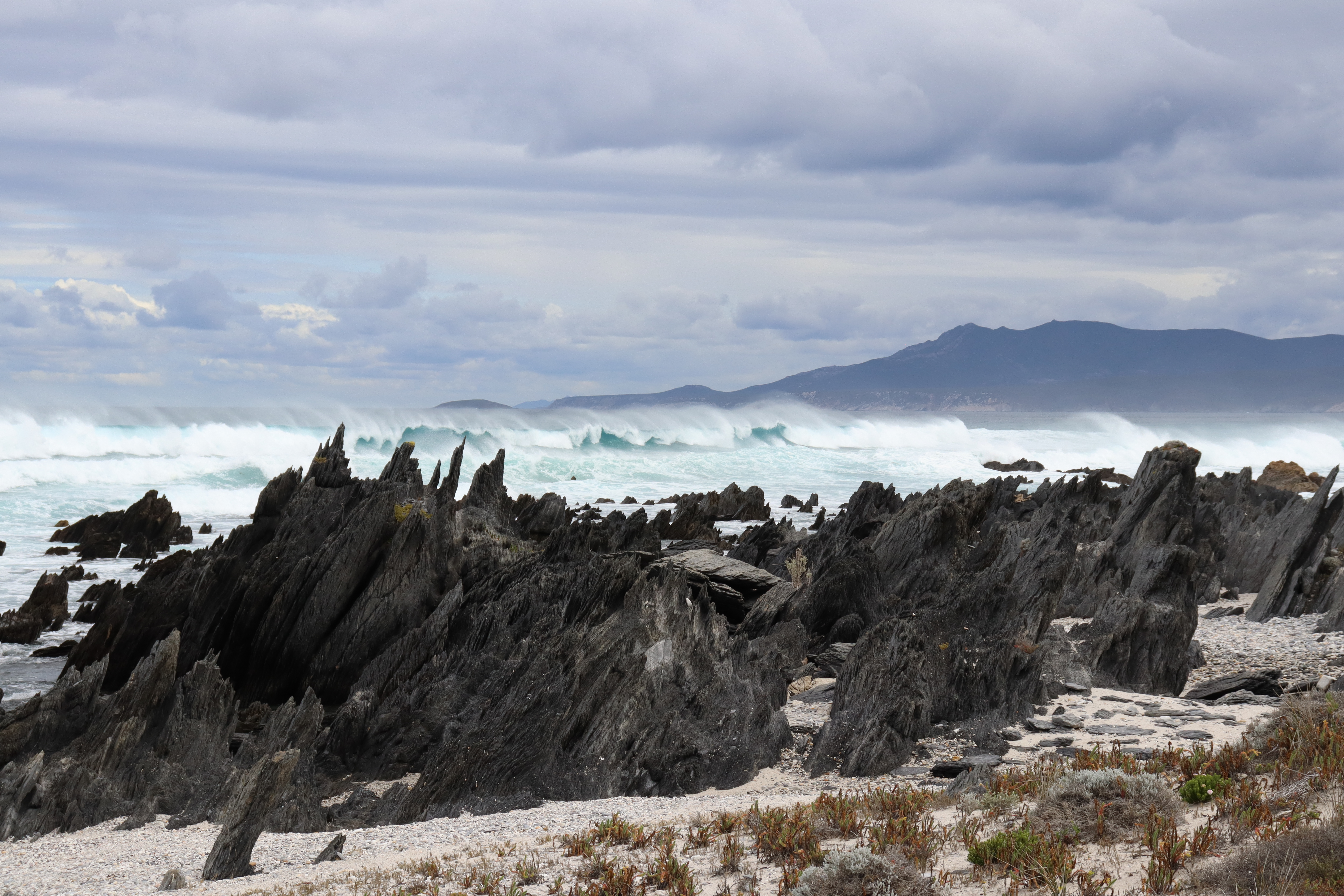
Near Hopetoun on the south coast, Fitzgerald River NP’s skyline is dominated by East Mt Barren rising high above the pristine white sandy beaches and turquoise bays, including Hamersley Inlet and Beach, where the inlet is closed off from the beach by a large sandbar that apparently only opens every ten years or so. Beyond the bar, the beach is filled with hundreds of large, sharp, jagged, shale- or slate-like rock formations sticking up vertically from the sand and the water. AND…. Sooo many coastal wildflowers!


Not far from Esperance is Cape Le Grand NP, where we were treated to the most amazing coastal scenery with rocky ridges, pure white sand and the most perfectly turquoise waters I think I’ve ever seen! A 3 km walk along the fine white squeaky sands of Lucky Bay – the Jewel in the Crown of this NP – takes you to the far end of the Bay where the turquoise waters break against red granite boulders on which several green copper plaques commemorate Matthew Flinders’ landing here in 1802 in HMS Investigator using the bay as safe anchorage during his circumnavigation of Australia. From the campground, we walked the opposite direction, passing another plaque honoring Flinders, over the headland on the Coastal Walking Trail to Thistle Cove, named in memory of John Thistle, Master of HMS Investigator, and where the huge “Whistling Rock” makes whistling, ocean-like sounds as wind passes through. Further afield more stunning beaches include Hellfire Bay with the same white sand, red granite and turquoise waters, Cape LeGrand Beach where you can drive 22km along the beach to Wylie Bay, and Rossiter Bay where seaweed has washed up and dried creating a carpet about a metre thick! And once again, we were treated to a wondrous display of native wildflowers, including lots of different native orchids in bloom. Magic!

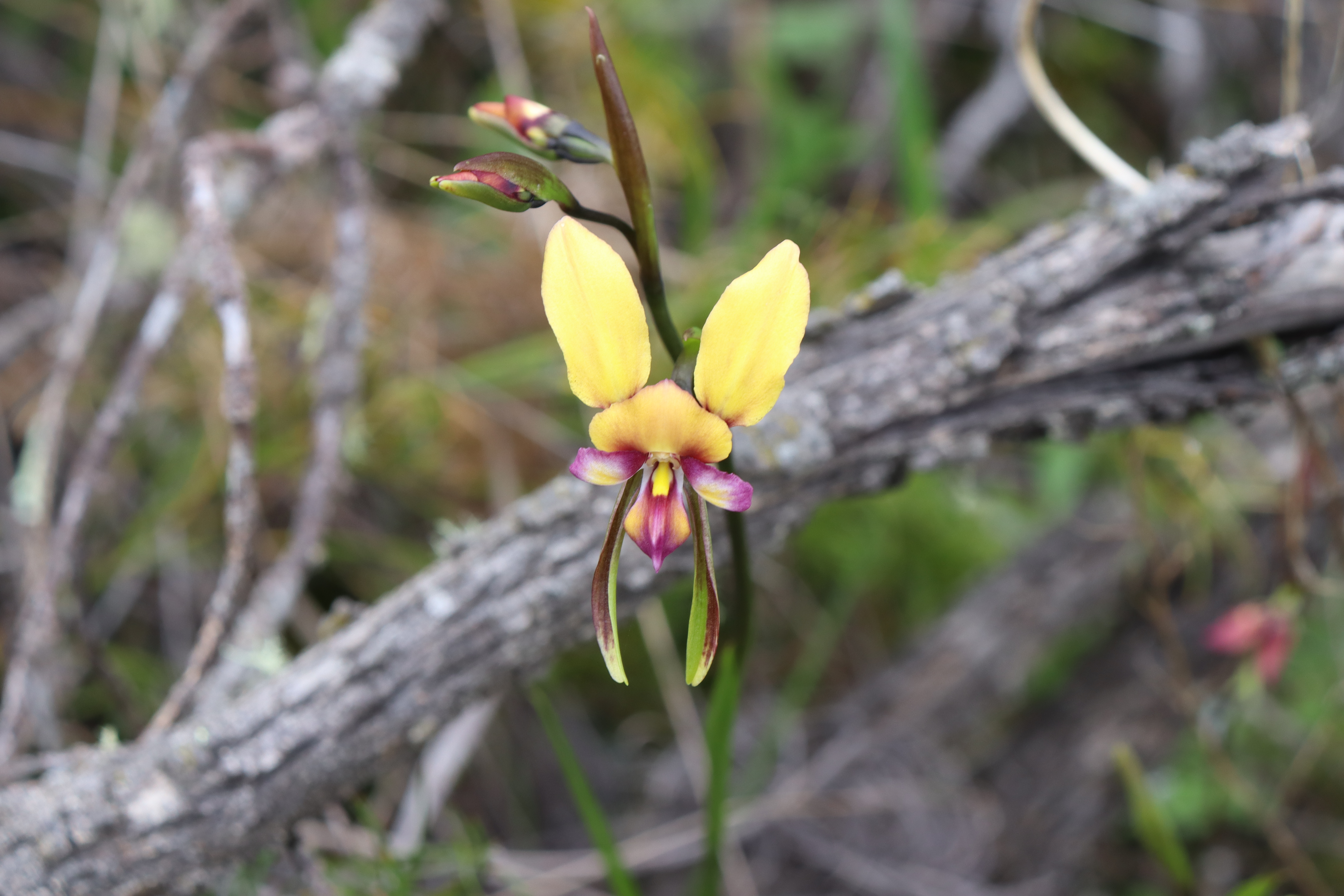

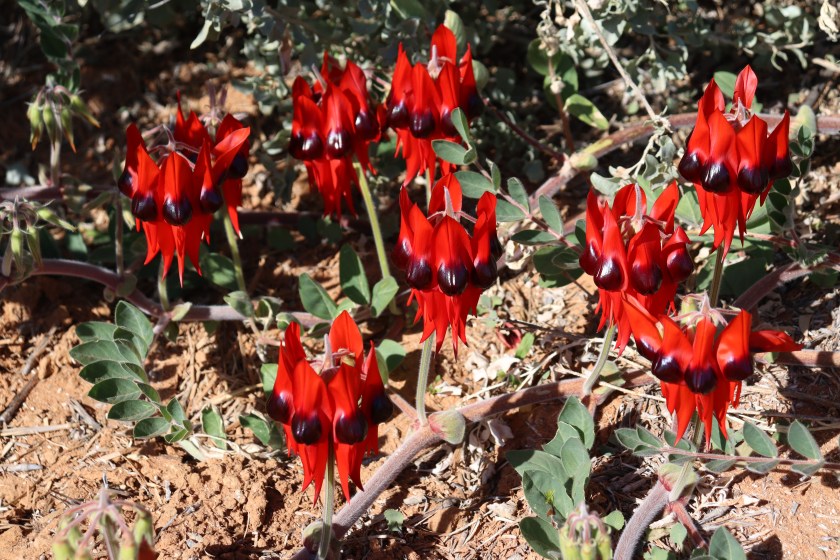
Traversing back across the Nullarbor, we paused to visit the remnants of the Eucla Telegraph Station that are slowly being consumed by the sand dunes, and had to do a U-turn to stop along the highway and take some pics of the only “garden” of the exquisite Sturt’s Desert Pea we saw on our entire trip. Further eastward, we stopped to view the awe-inspiring Bunda Cliffs of the Great Australian Bight, planning to spend the night there like stacks of others. However during the night the wind blew up to such a force that not only kept us awake, but also had us fearful of Roxy being flipped over, so at 3 in the morning, we got up and drove about ten kilometres further along the highway till we found a little spot that was more sheltered from the wind – and THEN we managed to sleep!


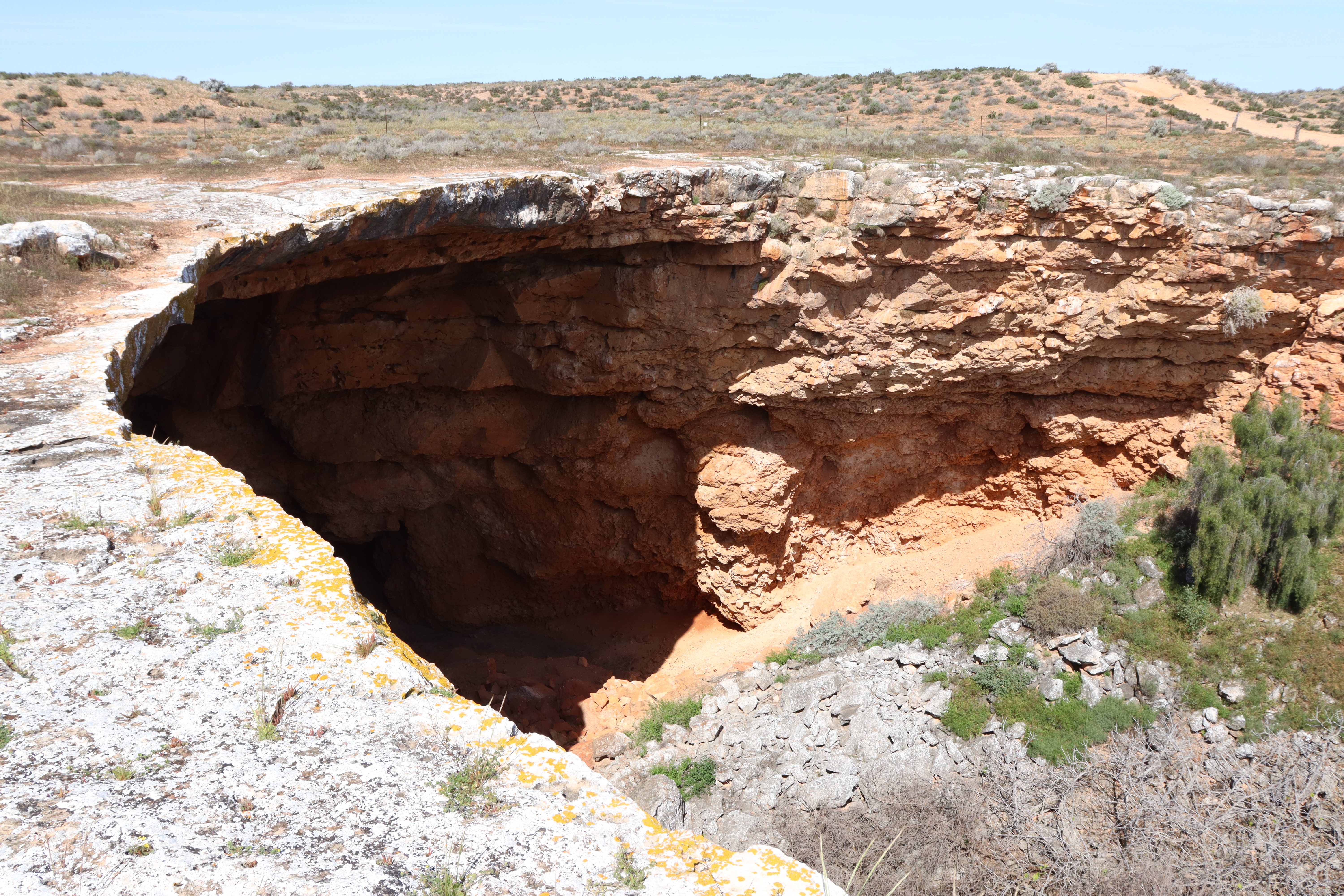
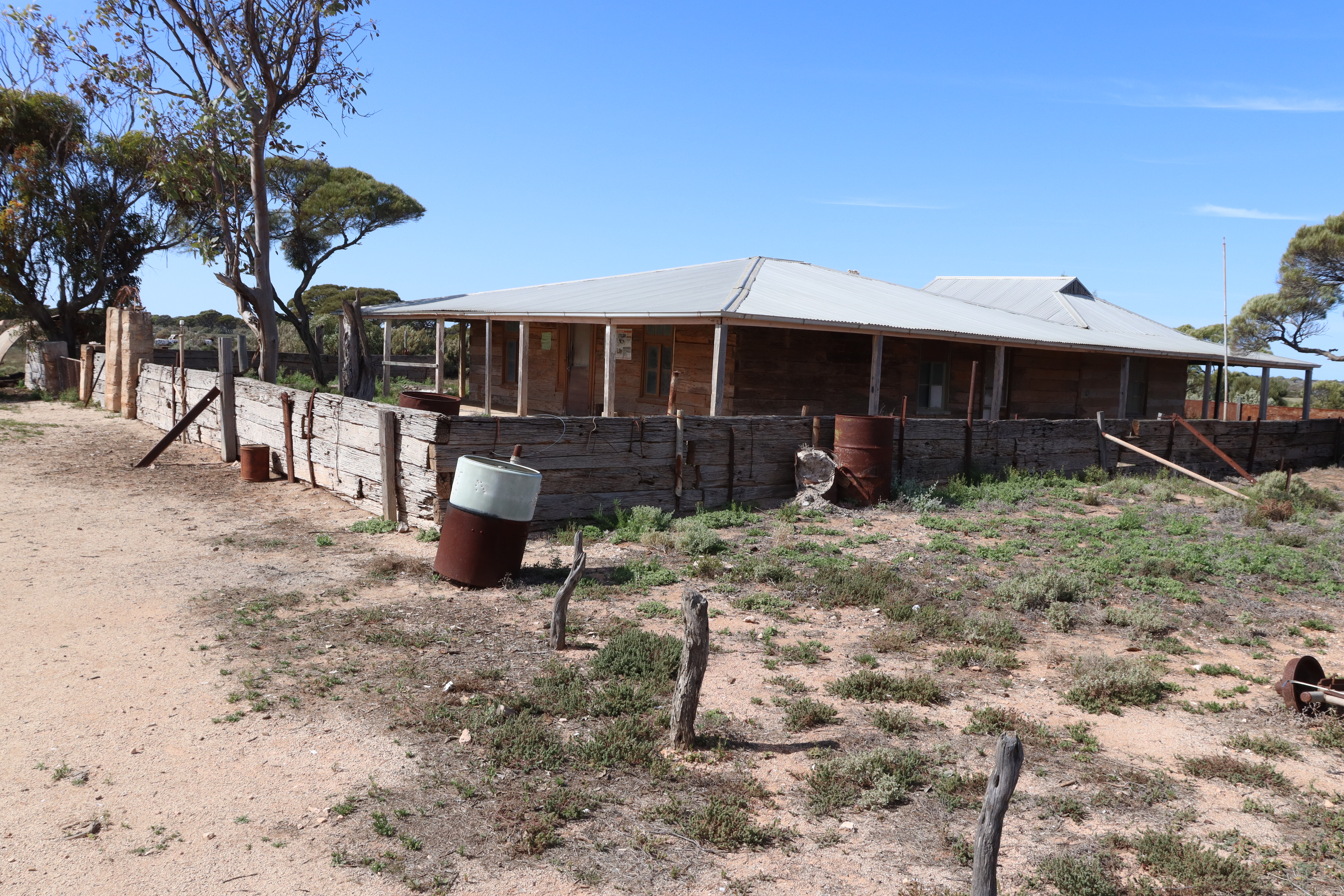
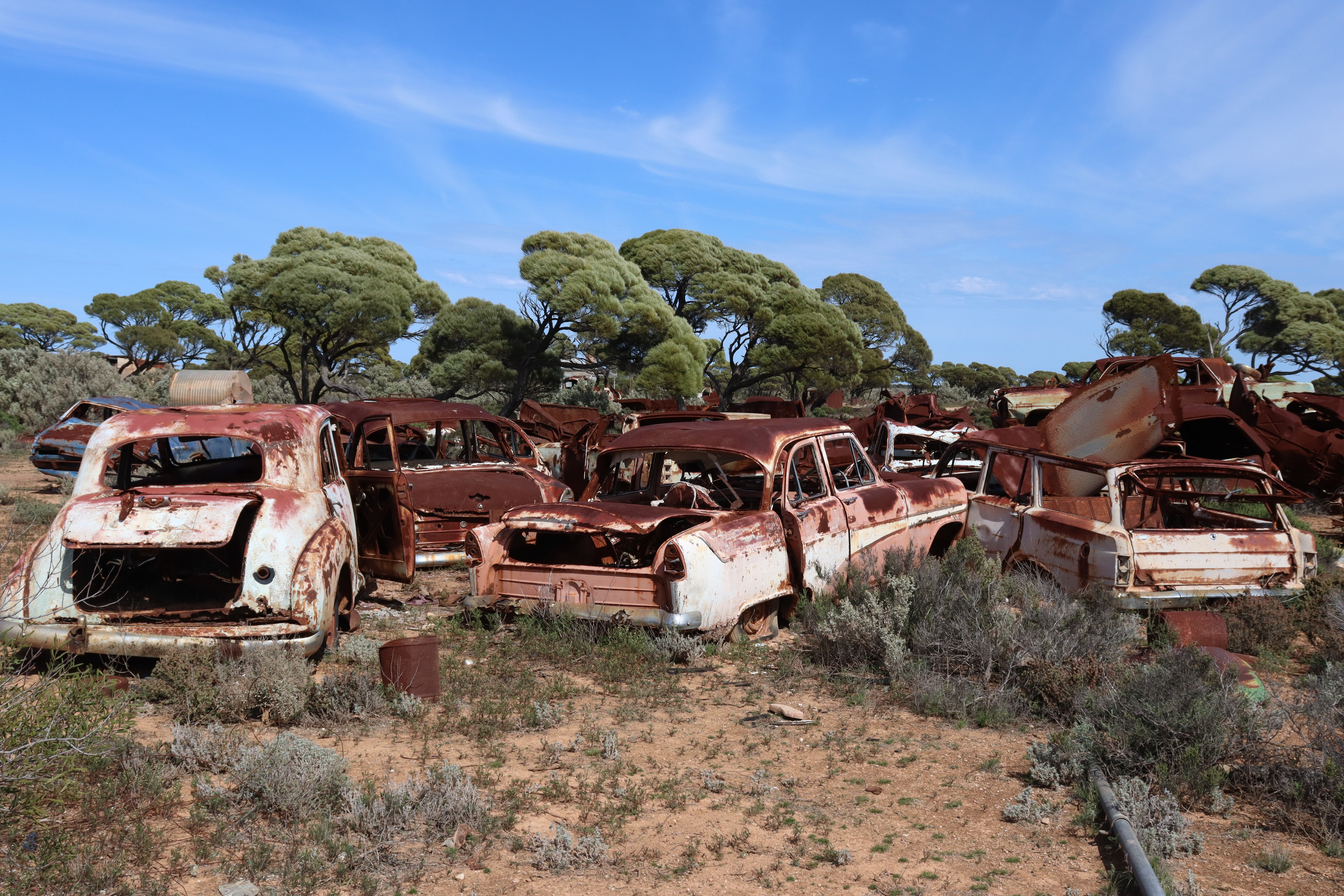
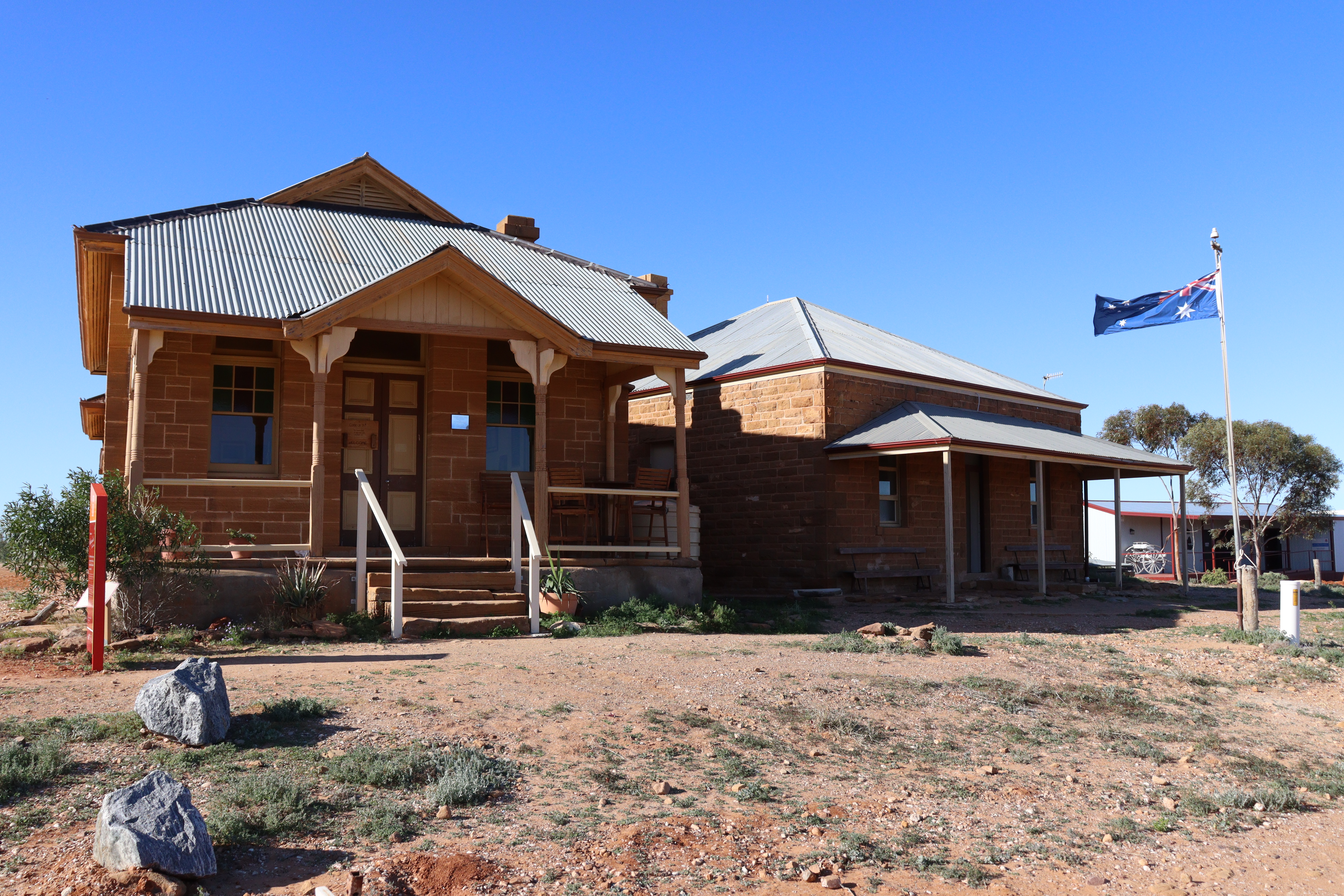
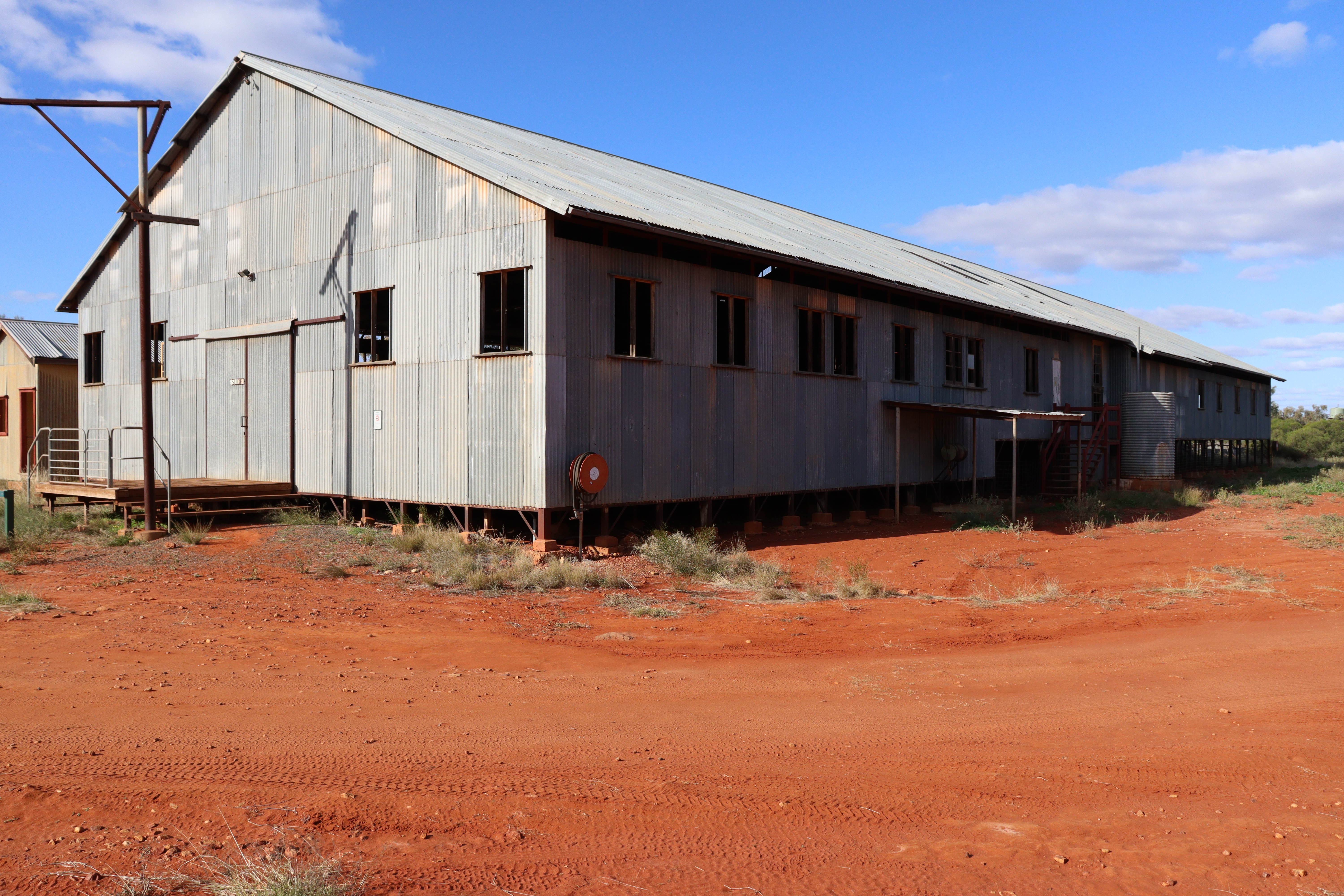
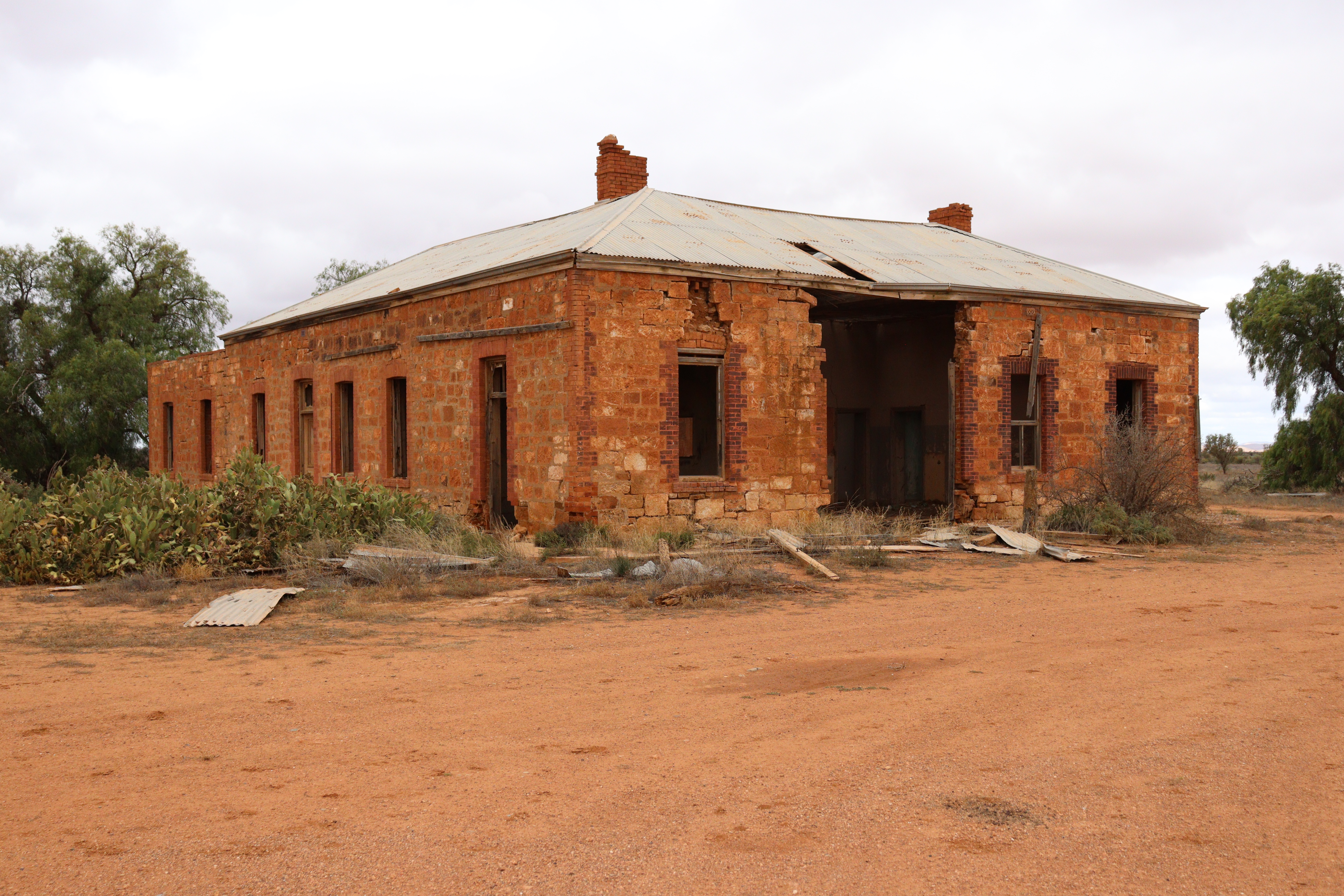
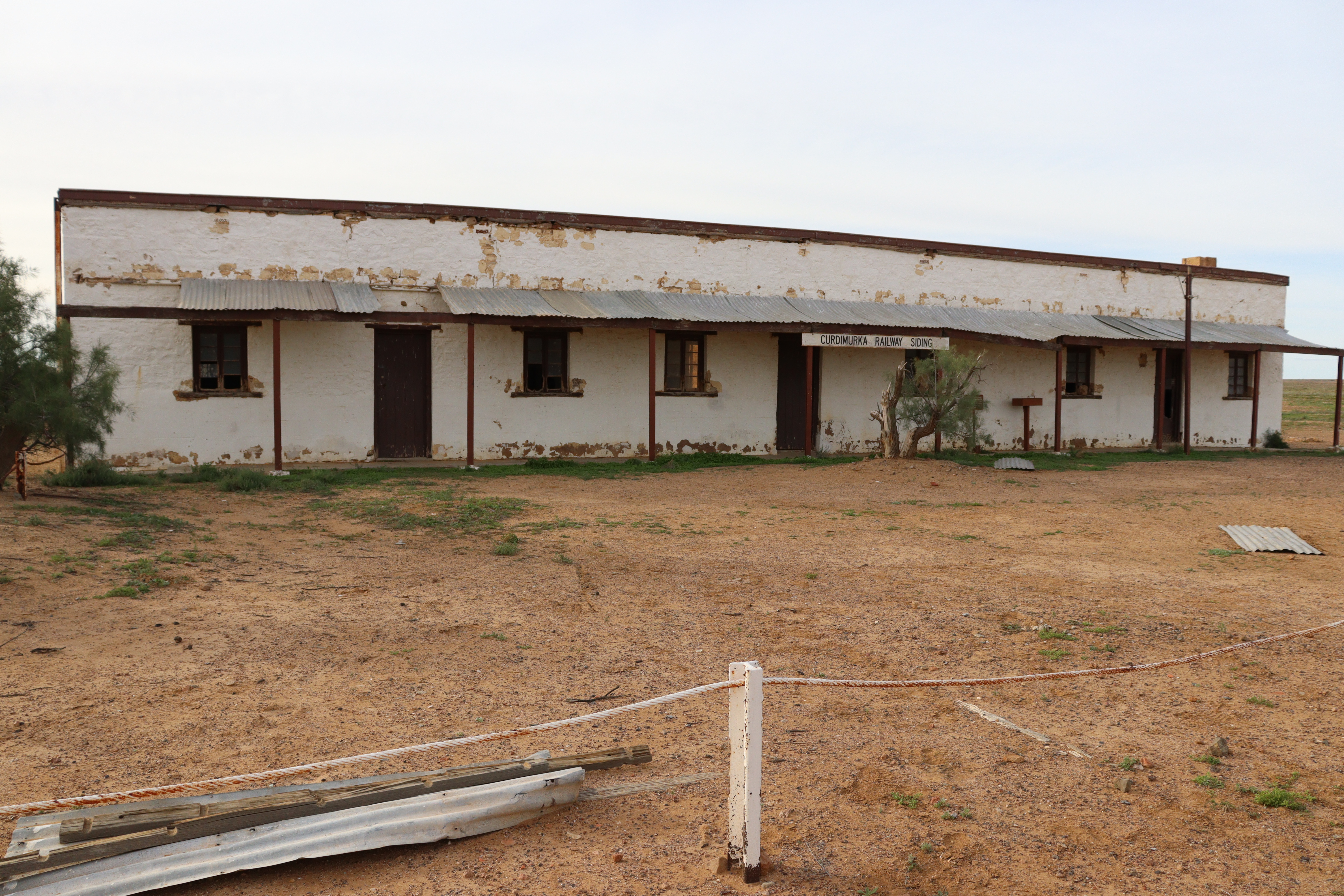
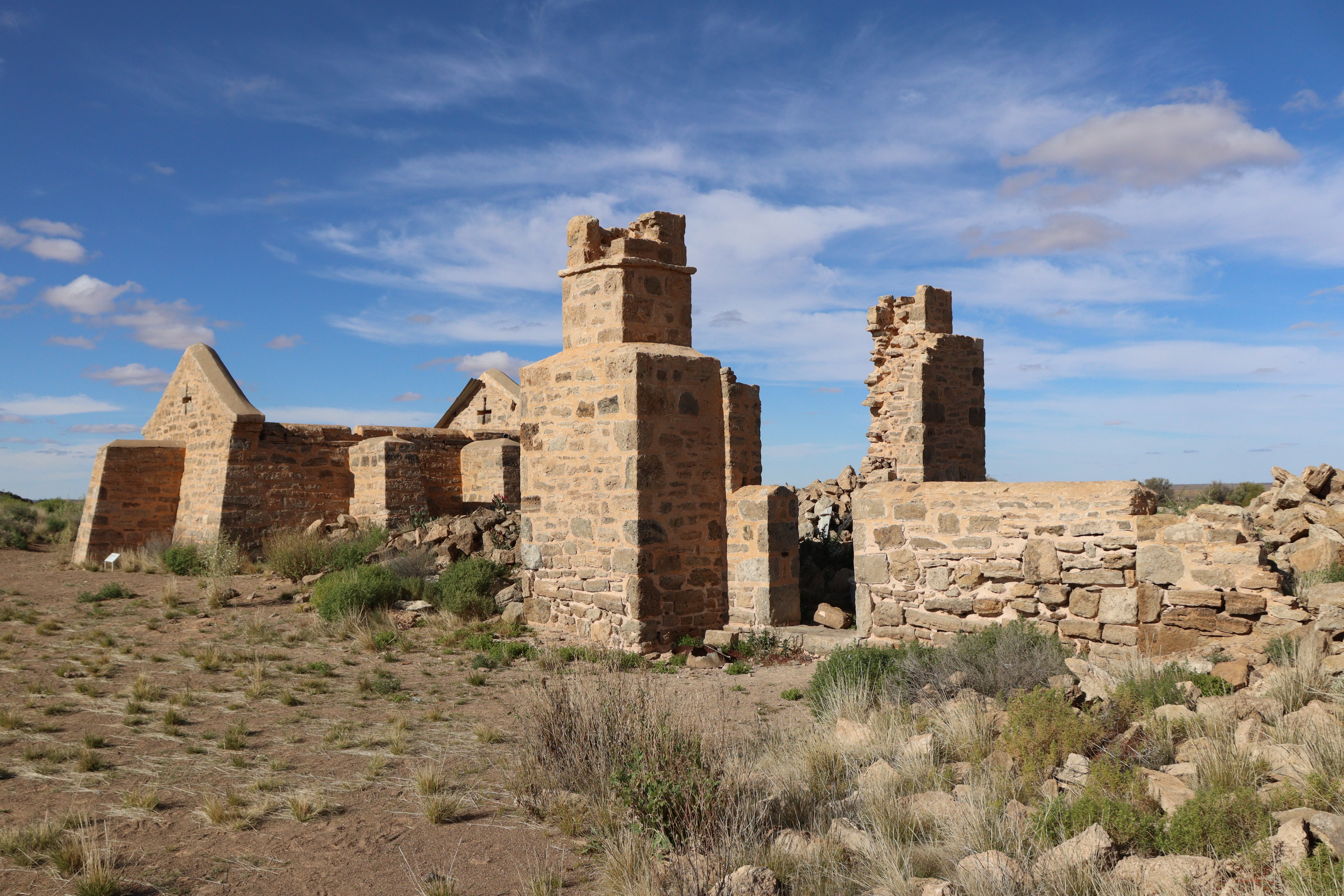
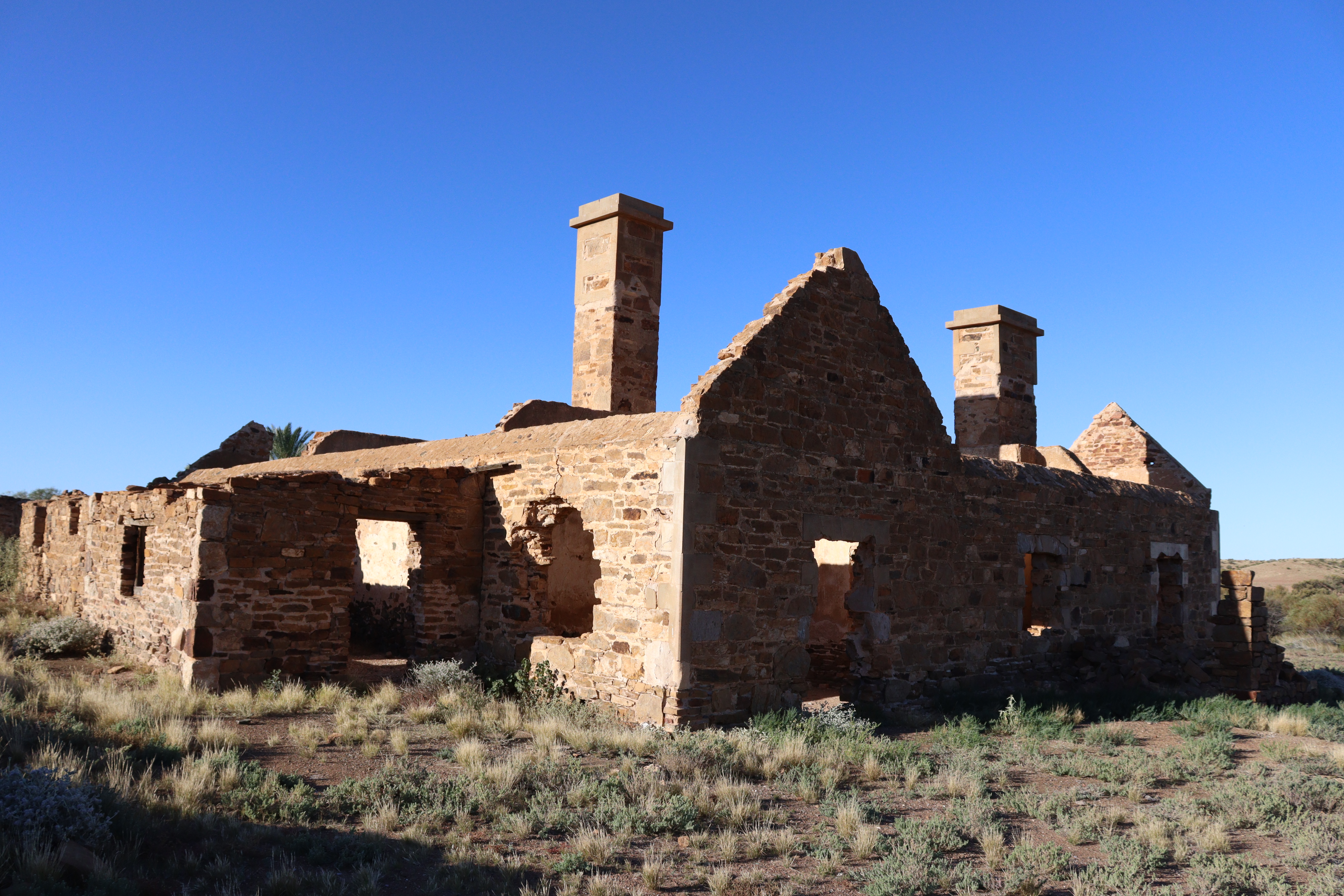
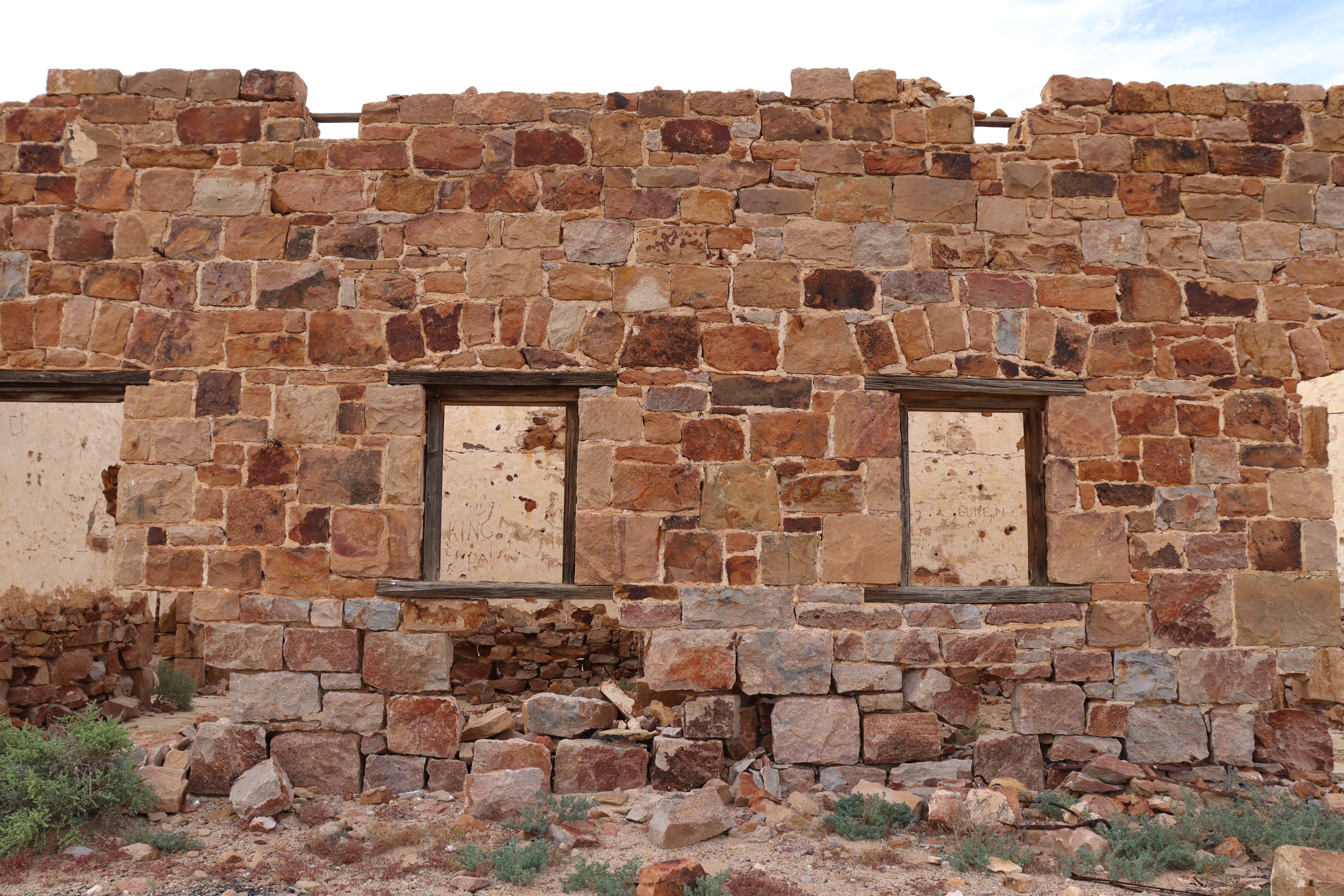
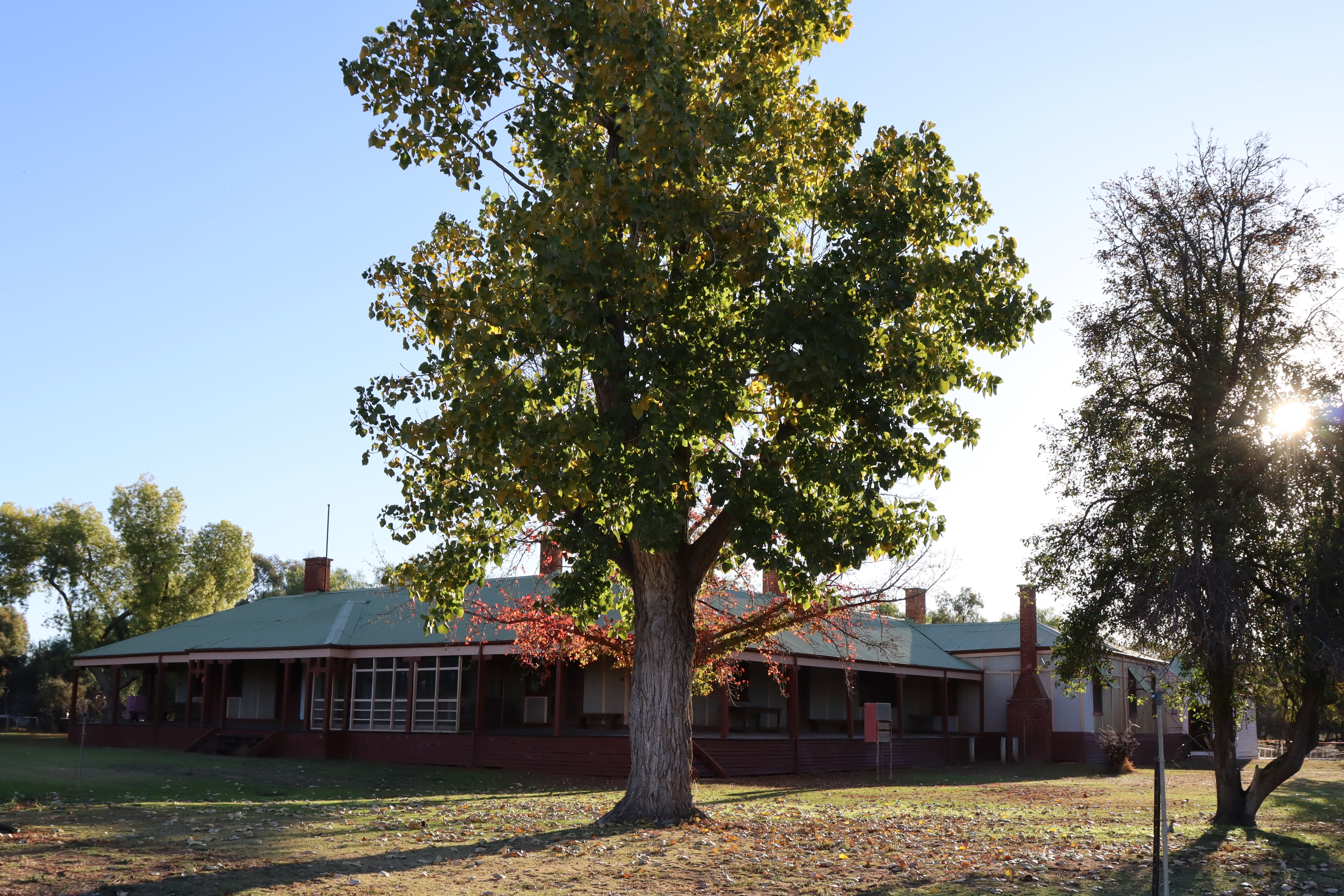
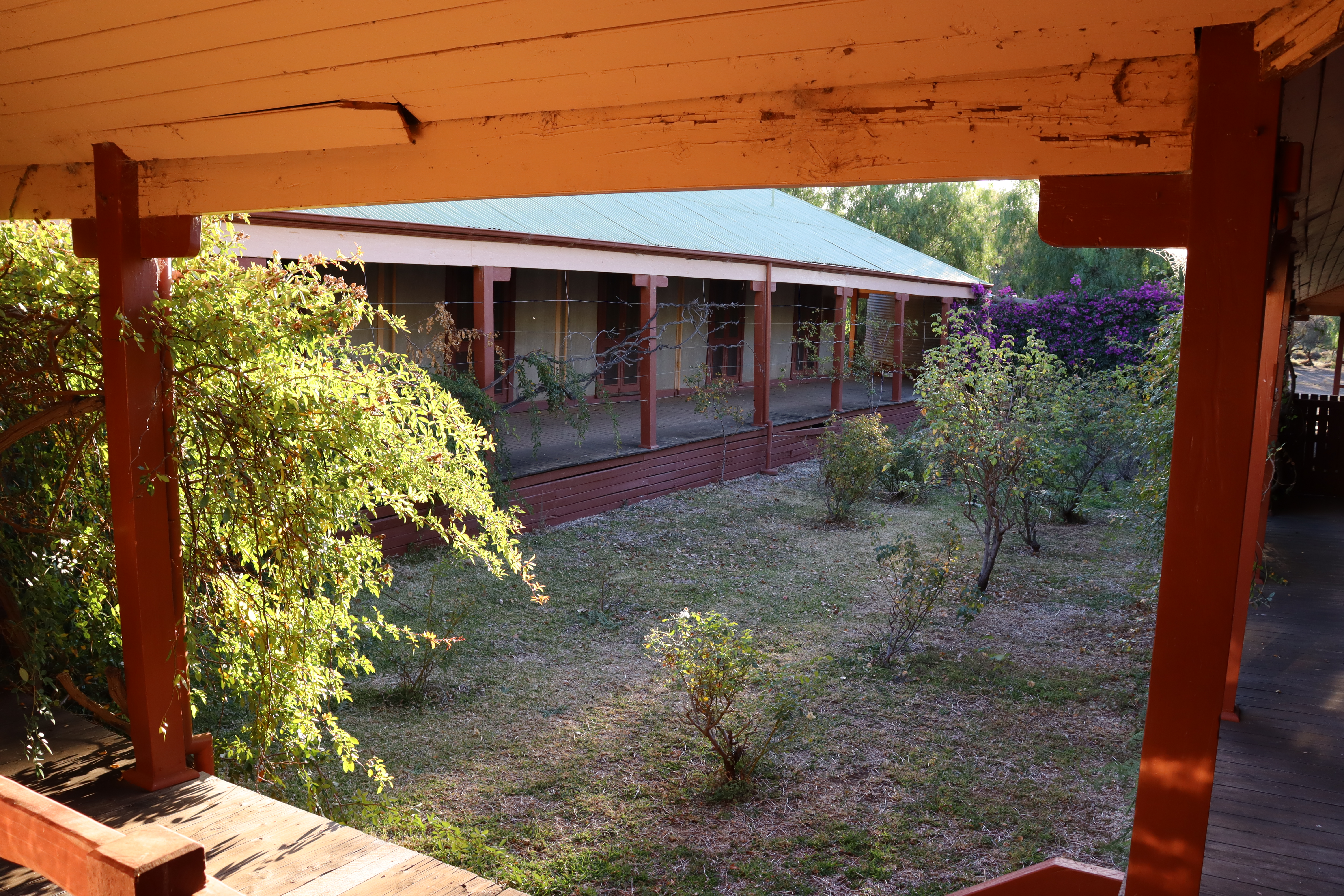
Heading inland, north off the highway, into Nullarbor NP we checked out the historic Koonalda Homestead, where several of the old buildings, built from old railway sleepers from the Trans Australia Railway and recycled materials from the old Eucla Telegraph Station, remain in remarkably good condition, surprisingly with no vandalism or graffiti. What struck us most about this place was the number of “dead” cars – hundreds of them – parked everywhere. Turns out the Homestead was also a roadhouse or service point for travellers along the Old Eyre Highway, and over the years it became a graveyard for the vehicles that broke down! Some 8 kilometres beyond the homestead lies the Koonalda Cave, a huge sinkhole with underground water supplies from which water was pumped to service the homestead and for their stock.
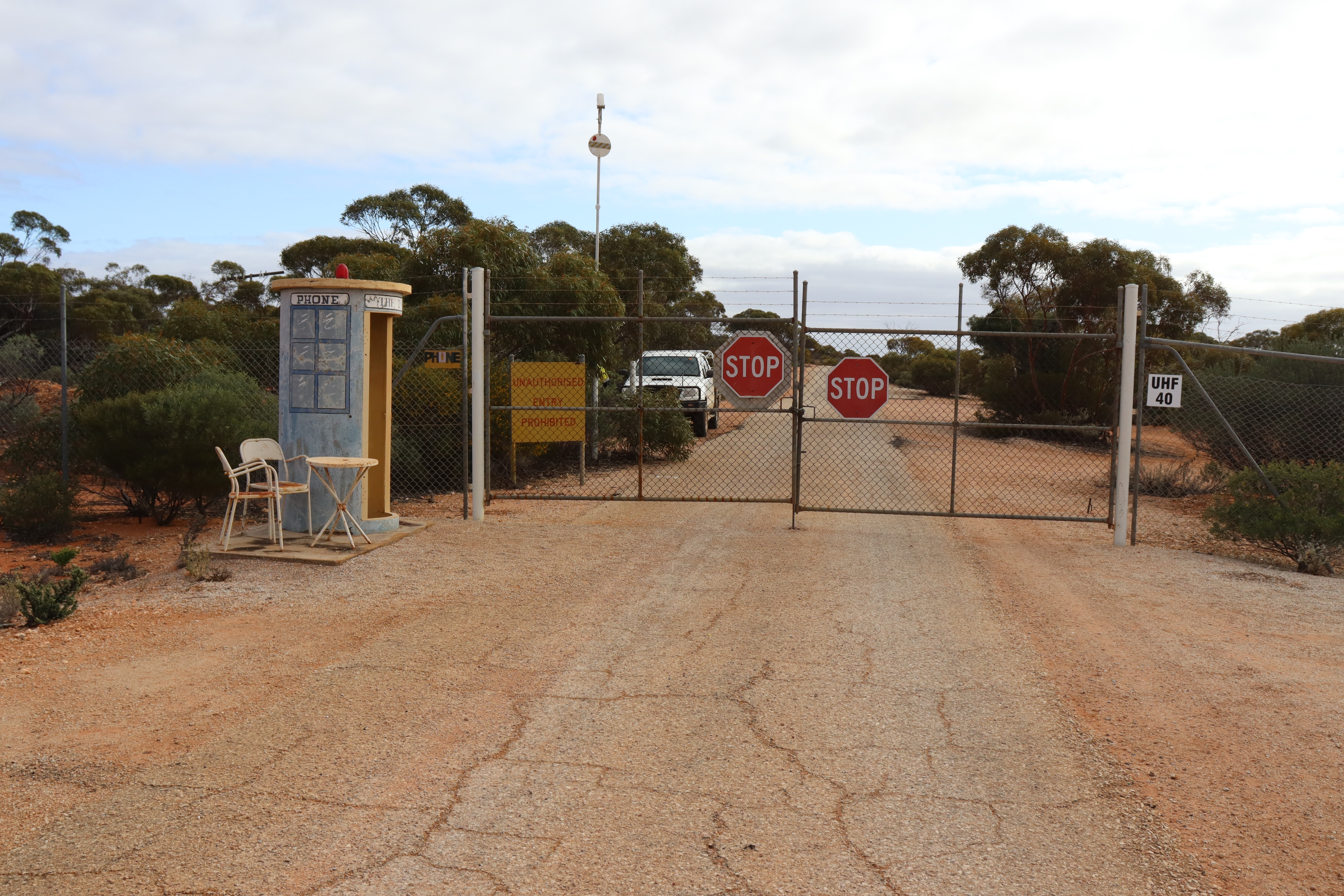
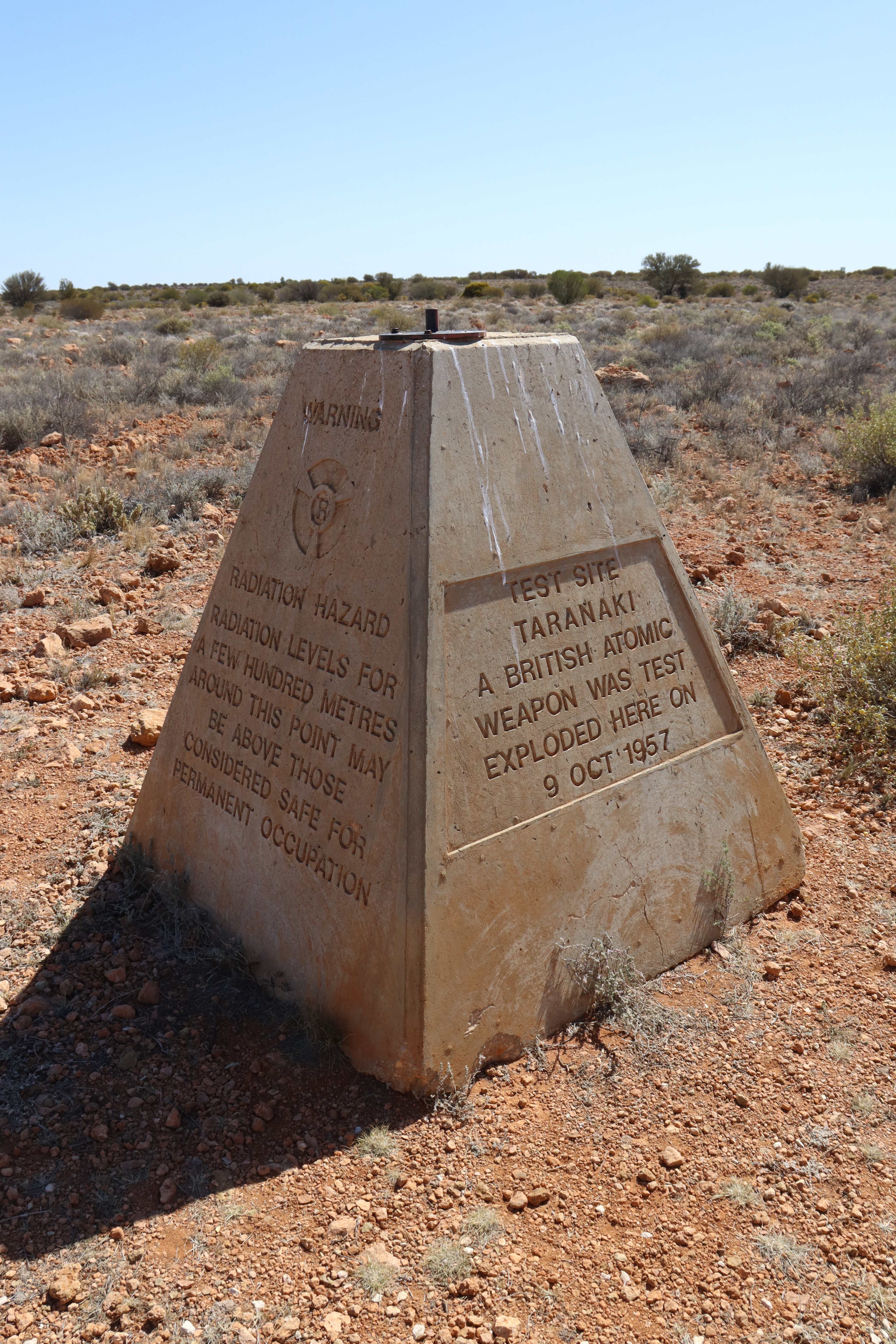
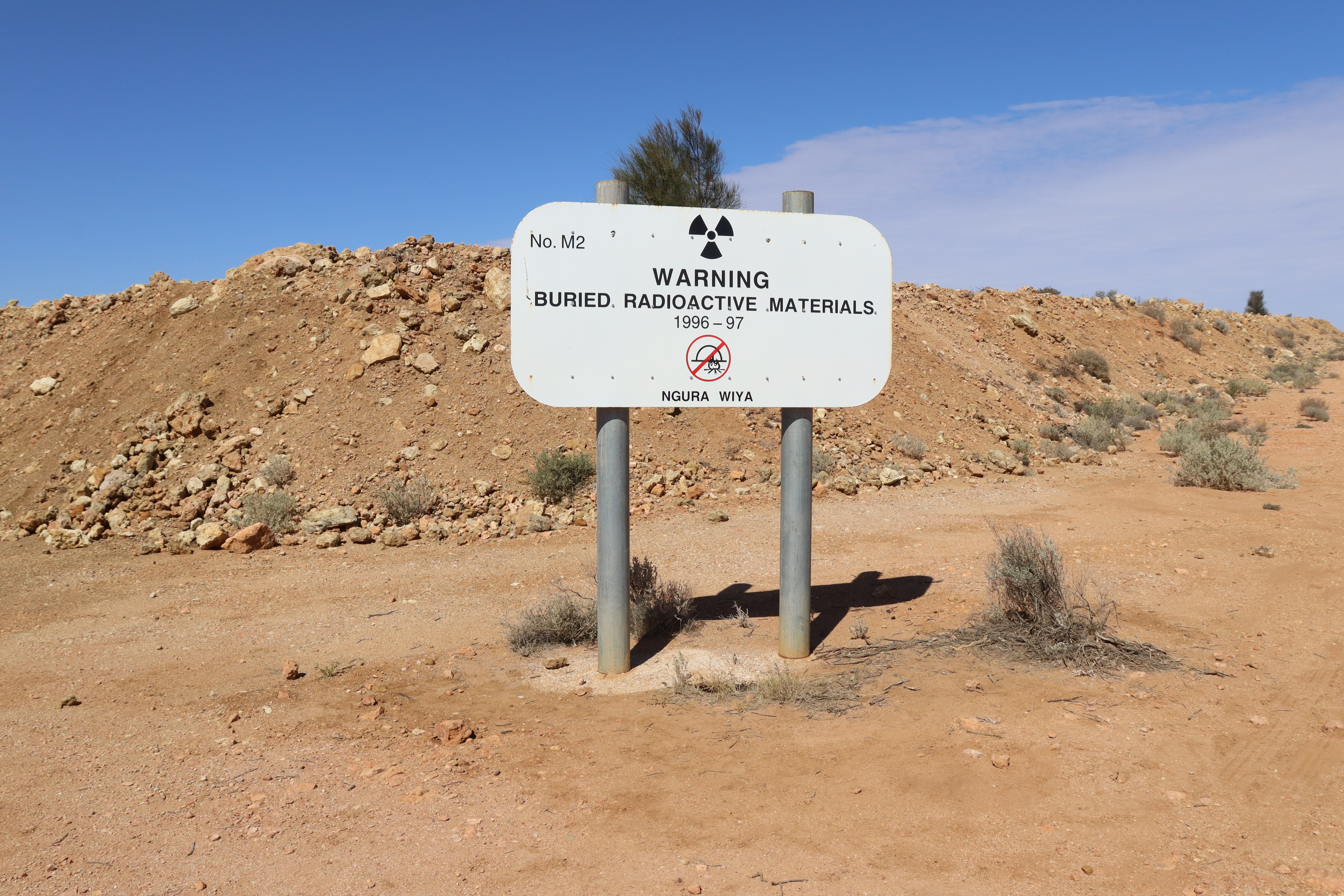
As a conclusion to this trip away, we had decided to spend a few nights and take in a tour of Maralinga, the site of Atomic testing in the 1950s. Camping at the village and then a bus tour out to ground zero of the multiple atomic tests is fascinating but also sobering when you realise the impact these tests had on the local people, their future generations and on the landscape. Our guide was a wealth of information about the building of the town, the test sites and the aftermath and cleanups. There are still lots of radioactive fragments lying around on the ground in the ground zero precinct, although our guide assured us that they were at very minor and safe levels of radioactivity. Hope he’s right!!

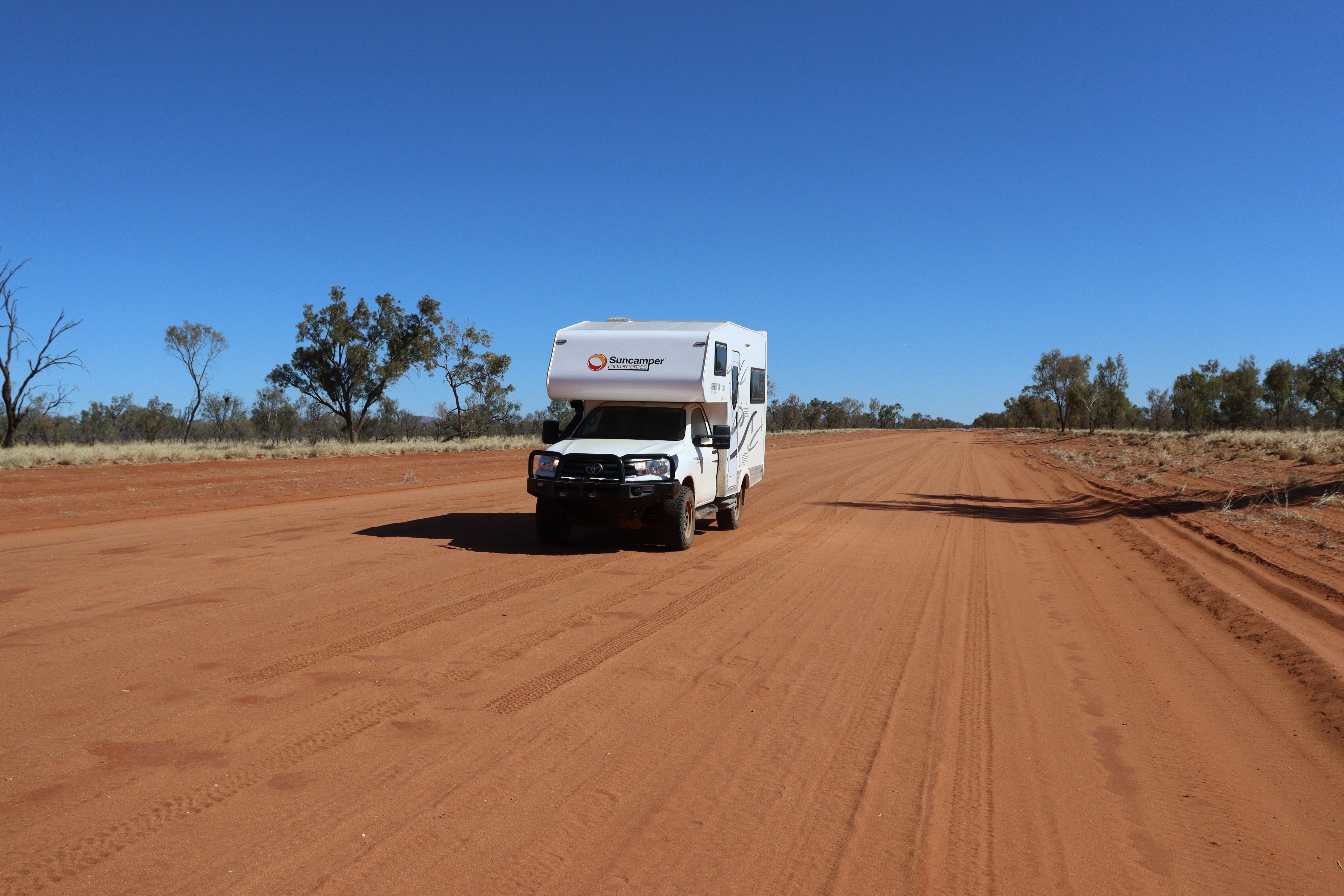
In our last few weeks of this trip, we made the decision to sell Roxy, as our plans for the next couple of years included a trip to New Zealand and hopefully an extended time in Europe, which would mean Roxy would sit unused for a couple of years – not good for the vehicle and too much money tied up in her to have her sitting around. So we advertised and due to there being none available and a 2-year-plus wait for a new one, we sold her within a couple of weeks of first advertising, which was great (although a little sad to see her go!). It’s great to know, however, that she is continuing her duties and taking her new owners (who continue to call her Roxy!) to many of the special places this great country has to offer.


WTF or Ha Ha!!
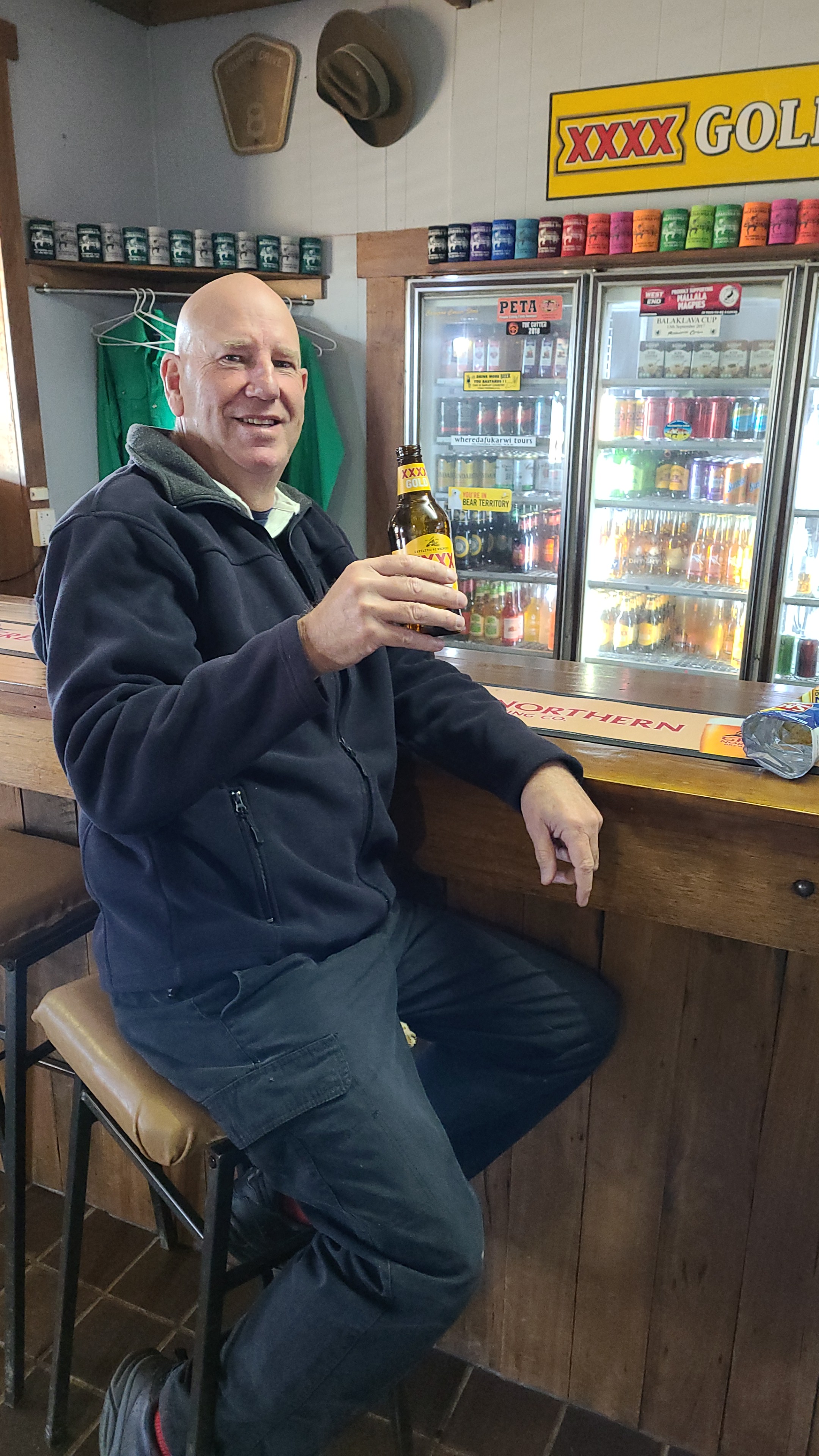
- Camp at a free camp, go across to the pub for dinner and couple of drinks – AND end up winning the meat raffle!!
- Roadside camp, not free but gets a few in. We tuck up the back to not be in anyone’s way. Then 2 cars with vans come in and virtually block us in. The wife seems a little embarrassed, but HE says, “If he (obviously referring to Gary) can’t get out of there, he’s a shit driver!”
- We’re about 100 kilometres short of Kalgoorlie, still on the Trans Access Road (following the Trans Australia rail line) and there on the side of the road is a chest freezer!
- At Kookynie Pub, Charlie the horse gets hand-fed in the front doorway, then proceeds to “wash” the windows with his tongue!
- Laverton Lookout has a big tower with water tank on top – and underneath the framework, a picnic table held in place with a big chain!


- Road signs near Gwalia – “Road Subject to Closure for Blasting”!
- Caravanning etiquette – apparently, it’s ok to park your coaster camper right across the front of someone’s car, essentially blocking them in, just so you can get better satellite TV reception!
- Big tourist site at the Valley of the Giants Tree Top Walk in Walpole Nornalup NP – and there’s NO café!!!
- WHY are 4WD vehicles allowed to drive all along the pristine beach at Lucky Bay in Cape LeGrand NP??
- WHY do so many National Parks only take camping bookings online ……BUT rarely, if ever, have phone service or Wi-Fi capability to do so??????
- Old Mate with his dog in a little white van with a surfboard on top in an off-the-highway free camp area, drives around and around EVERY SINGLE track for at least 20 minutes, before he finally settles on a spot. FFS – it’s a FREE camp for ONE night!!
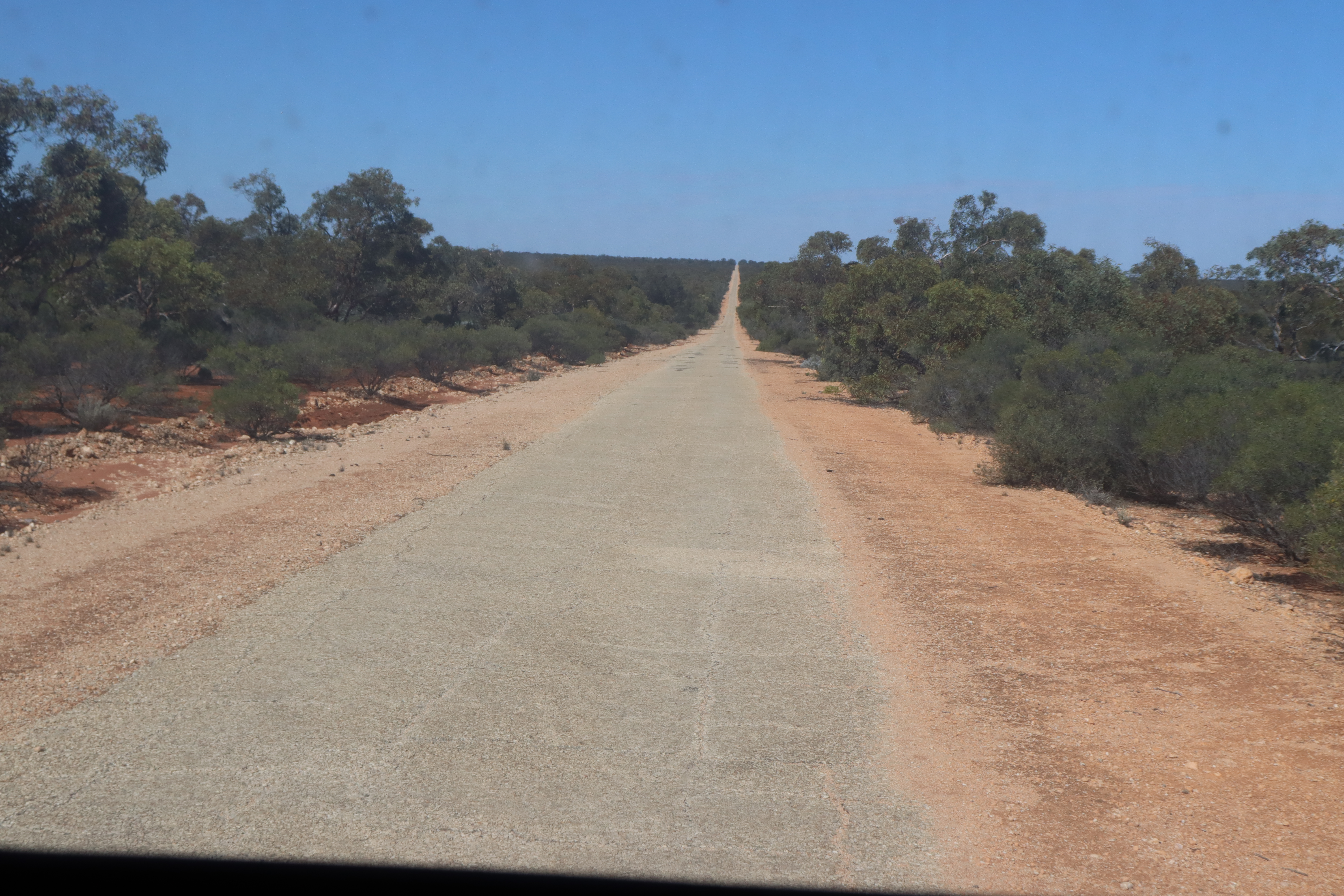
- Maralinga town, test sites, and airstrip – which is the world’s ONLY other designated landing site for the space shuttle – was all built within 16 months by 2000 service personnel. AND the 270 km of sealed and 2500 km unsealed roads were made to last, having never been upgraded or resealed. Maybe those roadbuilders need to come and work for VicRoads!!!
- What is wrong with people crossing State borders?? Coming through Ceduna (Fruit and Vegie) Quarantine Station, we had nothing to get rid of or declare and the officer was most appreciative of our being “so well organized,” telling us that they had already seized over 80 kilograms of restricted product THAT DAY!!





















































 Tabers Travels