Home to Oodnadatta.
Most years when we head off in Roxy, we head “north for the winter,” generally up into Queensland to absorb some warmer weather, but last year we had a different idea, namely, to travel a loop incorporating some of the National Parks we had missed the year before. However, the weather impacted on our travel plans, and our route of travel changed several times, due to closed roads or closed National Parks, but in the end, we did manage to get into a couple of parks from our list and even a couple of new ones.
For the first few weeks, we stuck to the bitumen and headed across to South Australia, visiting a few of the older and smaller towns along the way.
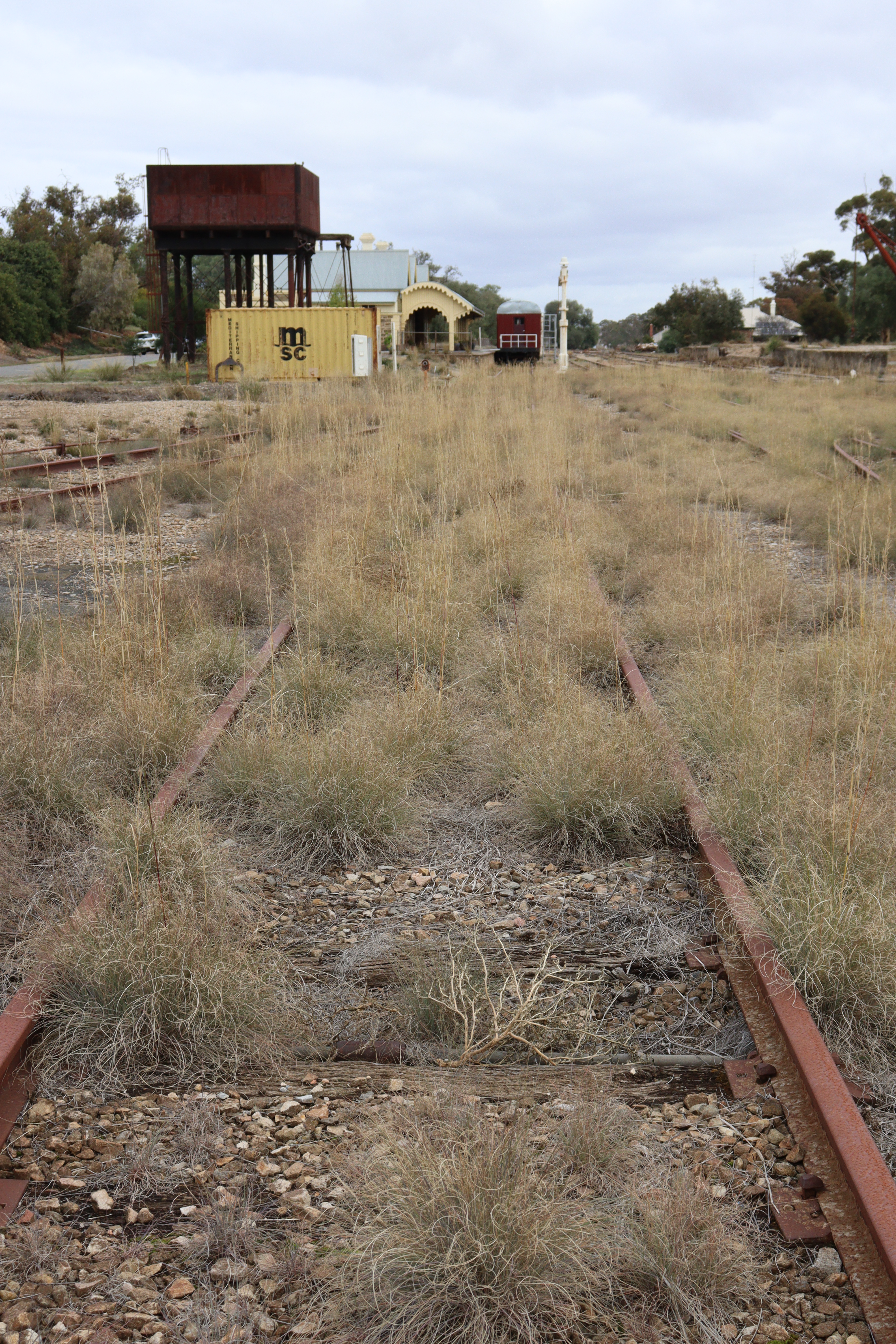
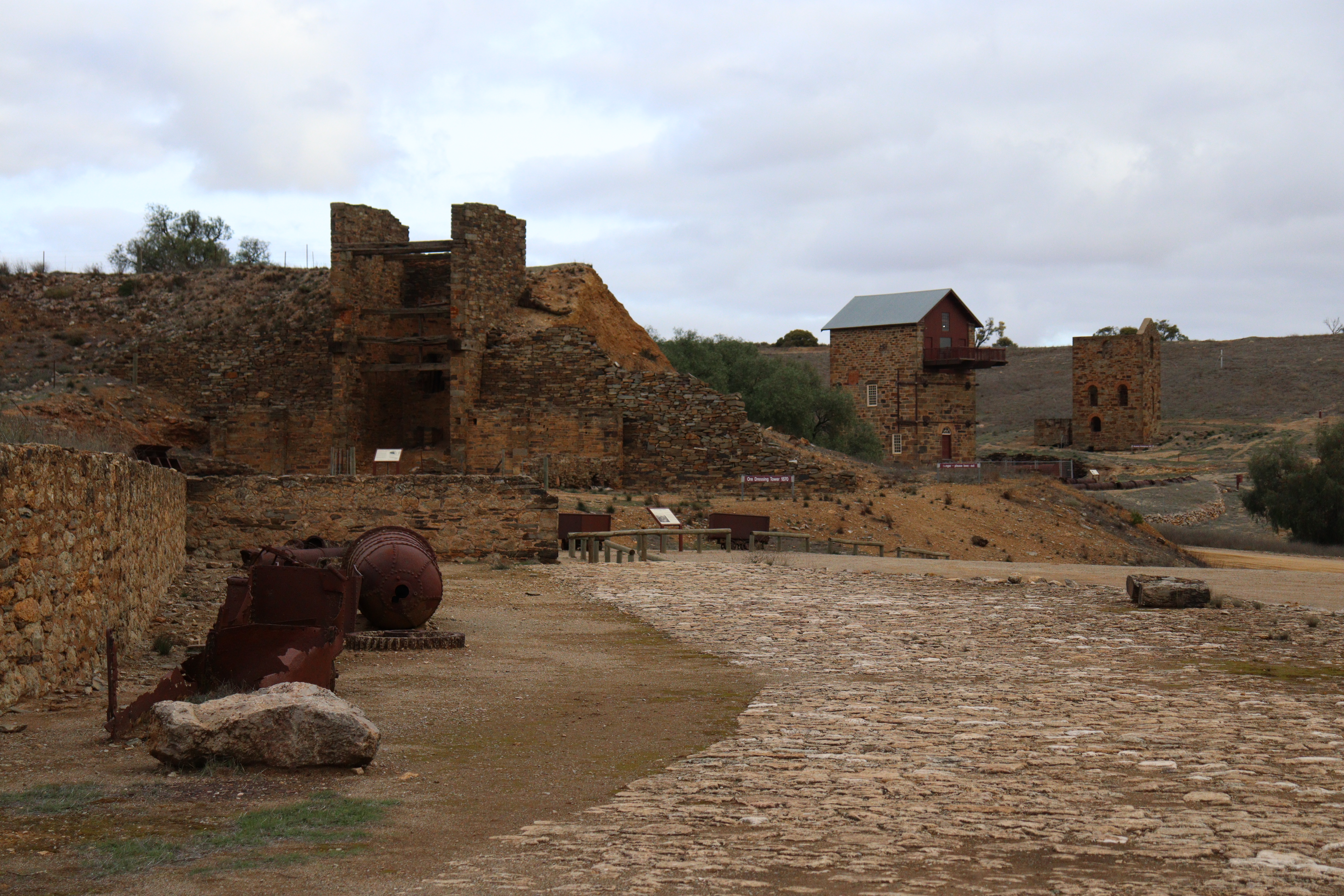
Burra is a quaint little town that we have passed through on several previous occasions, but never really stopped to have a good look at what it has to offer – aside from its yummy Cornish pasties – so we chose to spend a couple of nights there. After checking in to the campground, we set off walking around the town. Following the disused rail line we found the old Railway Station, which has been restored and maintained in a lovely condition. From there we made our way up the hill to the town lookout and found that we were just near the old open-cut Burra Burra copper mine, so we spent the next few hours in the mining precinct exploring the heritage listed buildings and remnants of the mine’s former glorious past. This mine was one of the first in Australia to employ the revolutionary open cut method, and between 1845 and 1877 produced 50 000 tonnes of copper metal from 700 000 tonnes of ore and was deemed unprofitable, but when it reopened and operated from 1971 to 1981, it produced 24 000 tonnes of copper metal from two million tonnes of ore. Personally, I can’t see how the figures from the first operation deemed it unprofitable when looking at those from the second?? Anyway, we filled in our afternoon checking it all out, so I guess it was kind of profitable for us!
Leaving Burra we stopped just out of town for the must-do photo of the Burra Homestead or Cobb and Co Coach House Hotel (ruins), the humble little stone house on its own in a paddock, which became famous after it featured on the cover of Midnight Oil’s Diesel and Dust album. It’s probably now one of the most photographed little houses of its type and although it’s on private property, there’s a gravel carpark just off the road so you can stop to take your own version of this classic photo.

Carrieton, a tiny, charming town in the southern Flinders Ranges, is well worth a visit, if only to check out the old buildings. Surveyed and proclaimed a town in the 1870s, its population had grown to over 200 by the 1890s and, with the railway coming through, the town prospered and added some 40 or so buildings, some of which are still there today. The school which opened in 1882 and at one stage grew to over a hundred students – with just one teacher!! – finally closed in 1997, and it, along with the community store and memorial hall and clubrooms, were taken over by the Progress Association, which also leases the local swimming pool from the council. The Association converted the school into the town’s caravan park, where we were greeted with a friendly welcome and some tourist advice as well. Although the town’s population is now only about 23, I think every one of them, along with many from elsewhere, crowded into the historic pub, The Carrieton Hotel, on the Friday night when we went in for dinner, and the atmosphere was again most hospitable and pleasant.
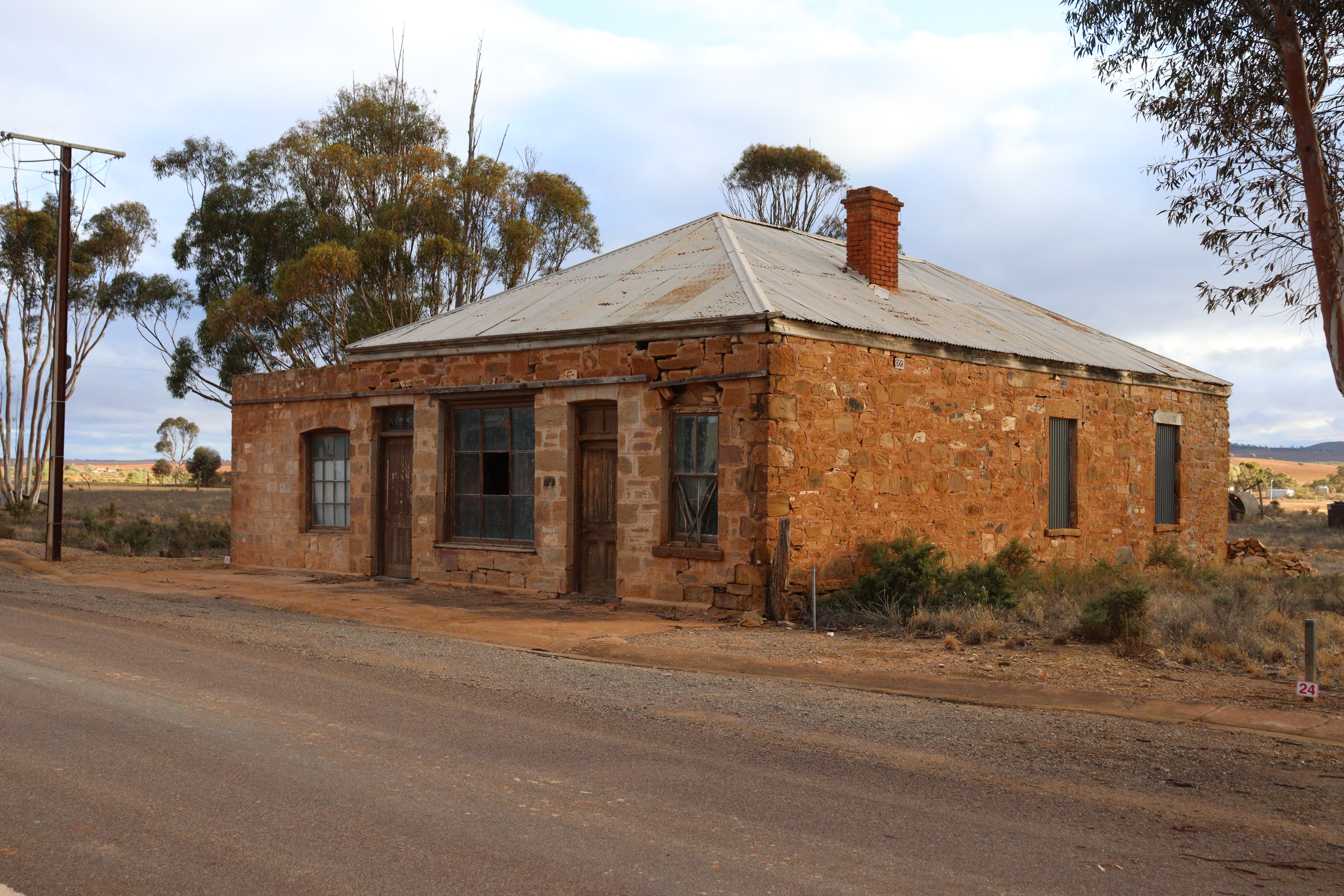
Taking the tourist advice offered in Carrieton, we drove the 80-kilometre Johnburgh loop, which took us out of town, through the Oladdie Range and down into Johnburgh historic township, where we spent several hours exploring the remnants of the town’s buildings. Built of local stone, like most of South Australia’s old towns, many of the buildings are in reasonable condition, and offer plenty of photo opportunities.
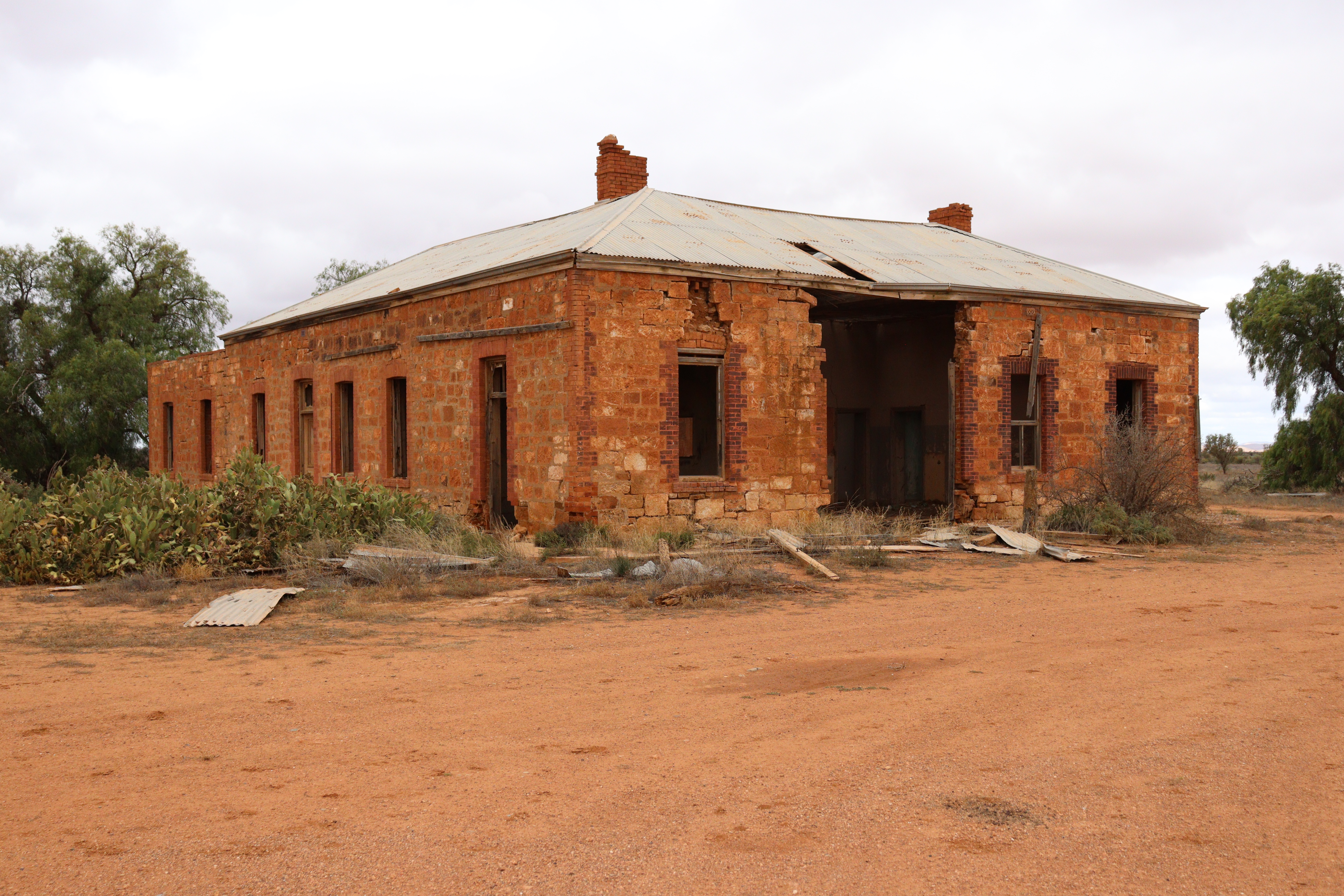
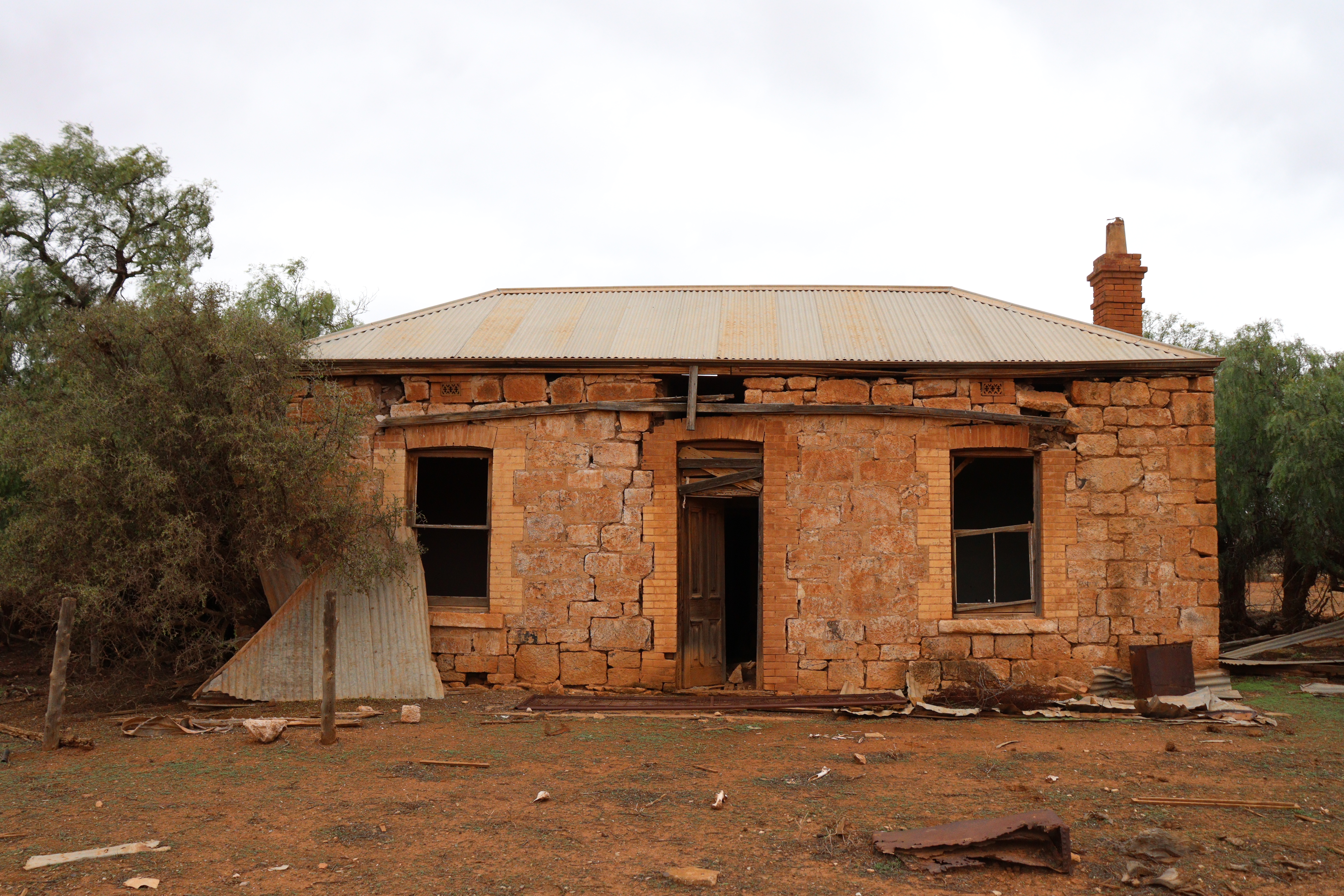
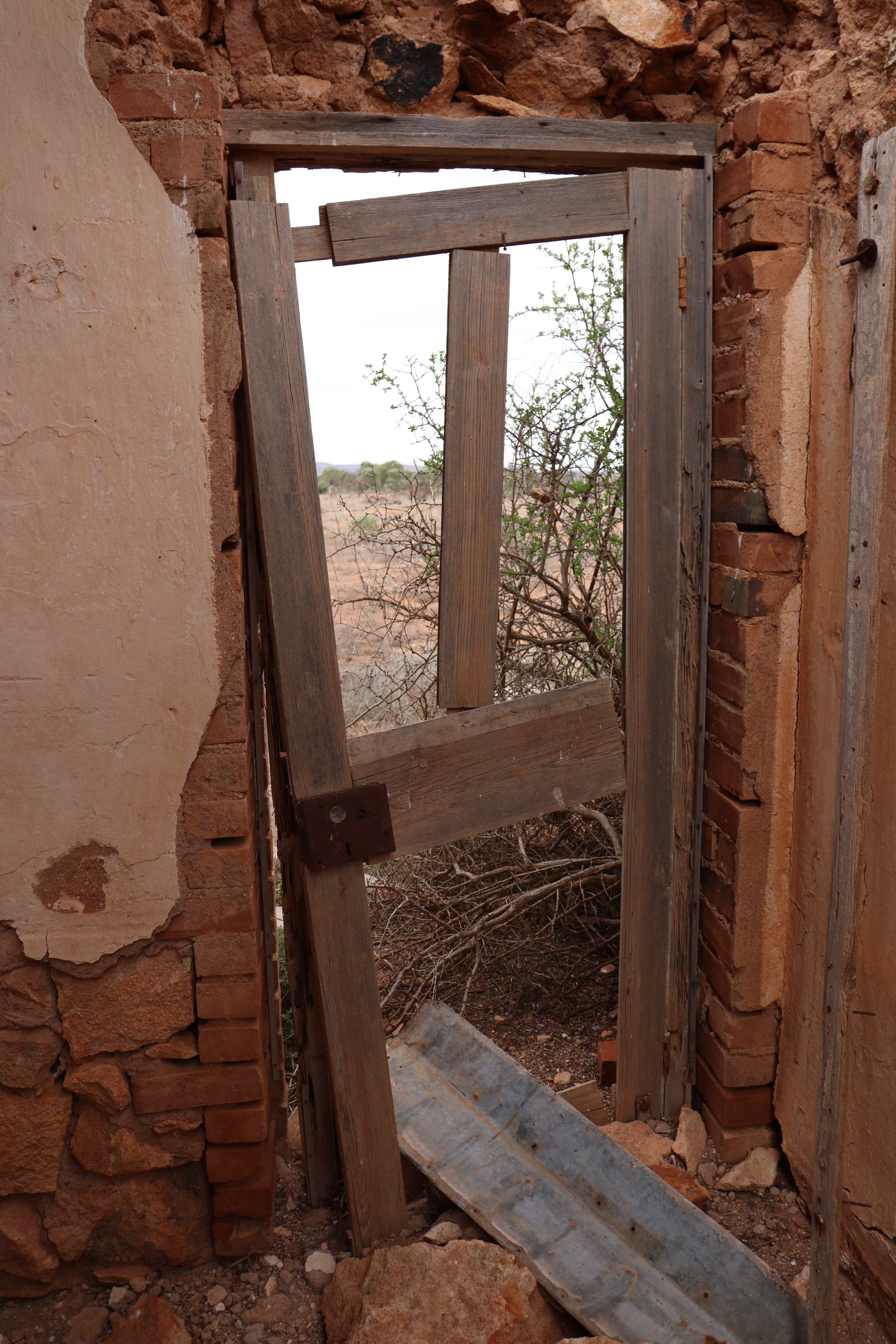


Ikara-Flinders Ranges National Park is always worth a visit. With its stunning and ancient mountain backdrops, its pioneering history and the amazing Wilpena Pound, we were quite happy to re-visit this Park, and as per usual, we discovered something we hadn’t seen there before. Taking a walk along part of the Heysen Trail following Wilpena Creek, we found the Old Wilpena Station complex, comprising the original homestead dating back to 1860, and outbuildings such as the Store, Blacksmithy, Stables, and several houses, all built from local stone and all nestled in the valley amongst the huge river redgums.


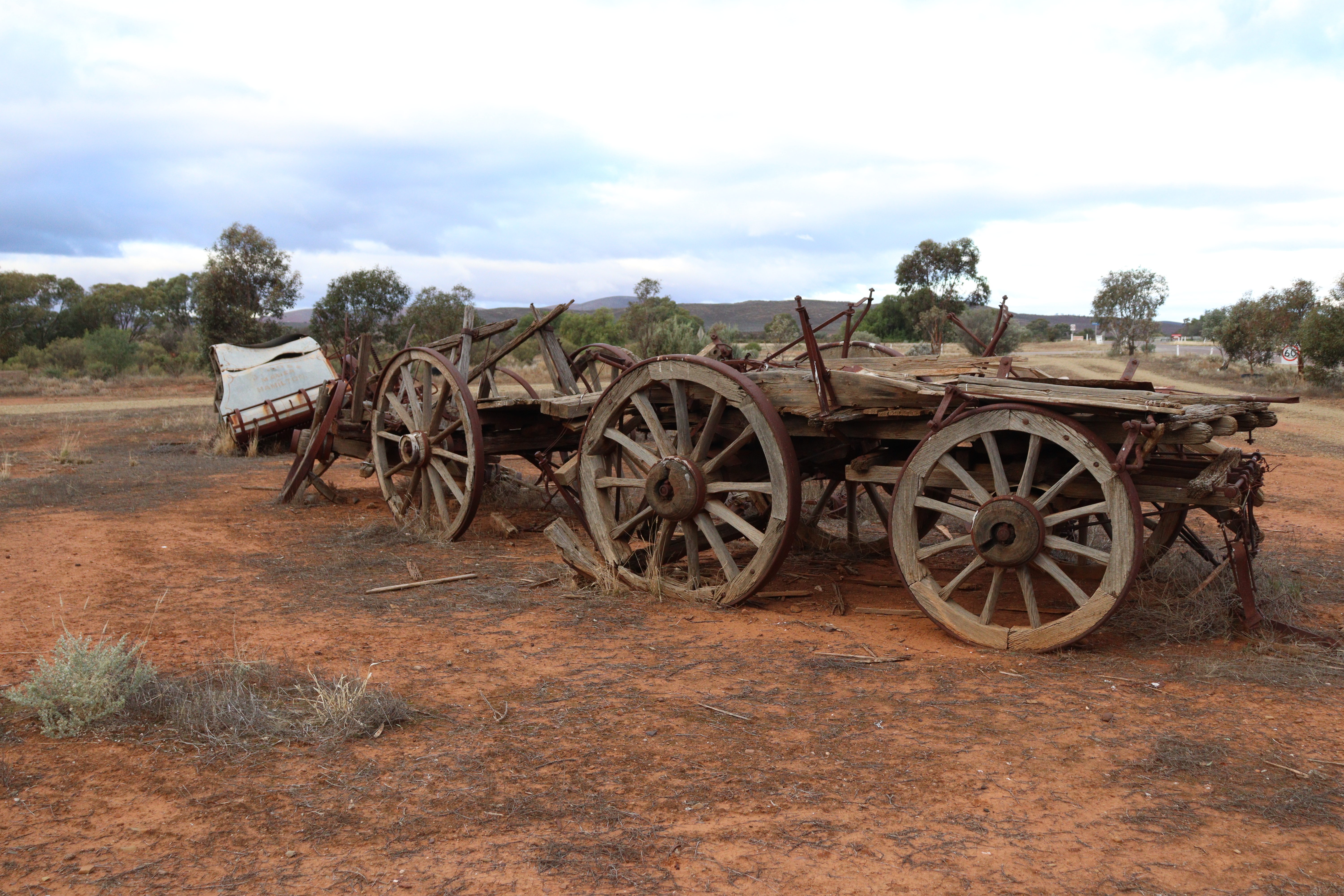
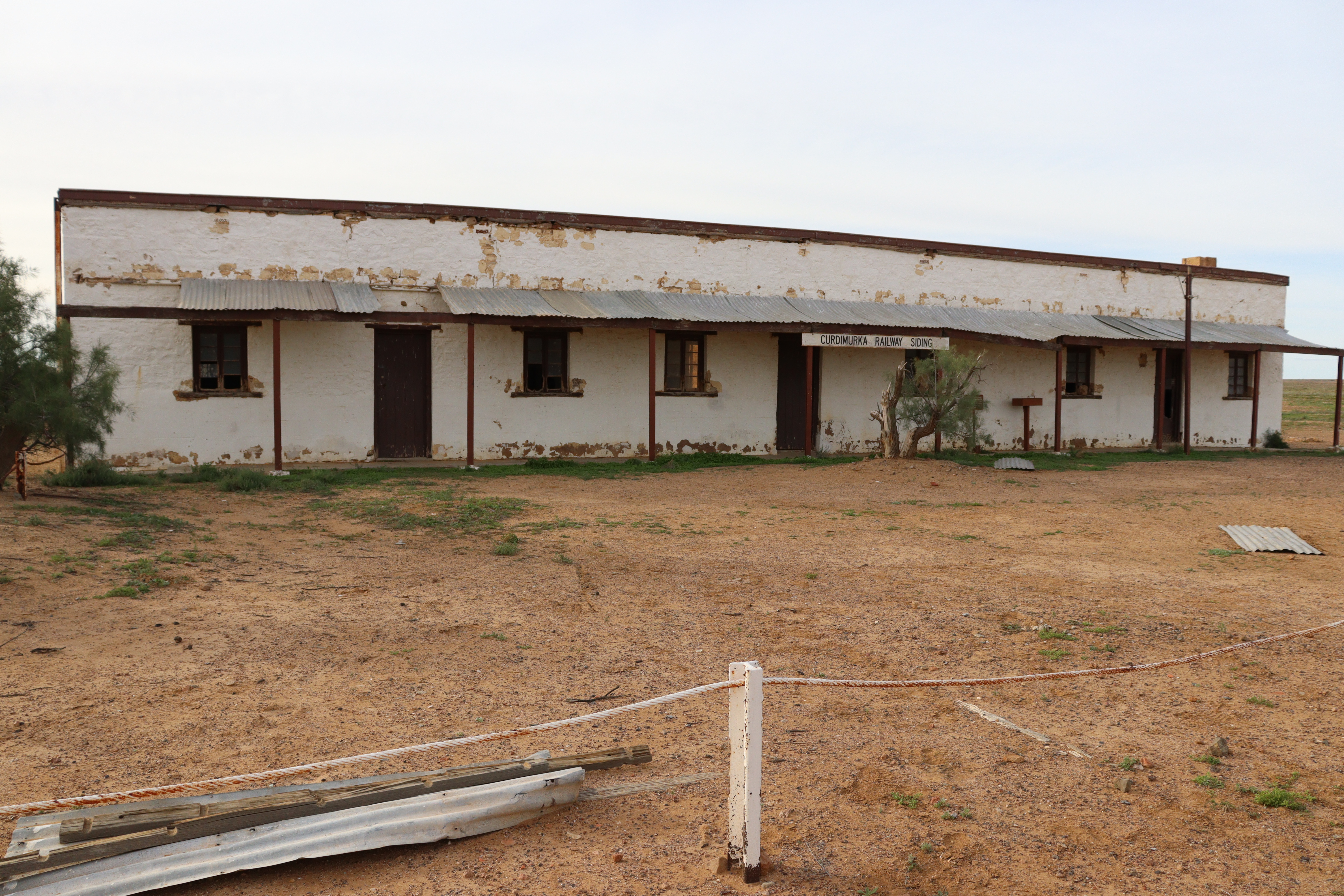
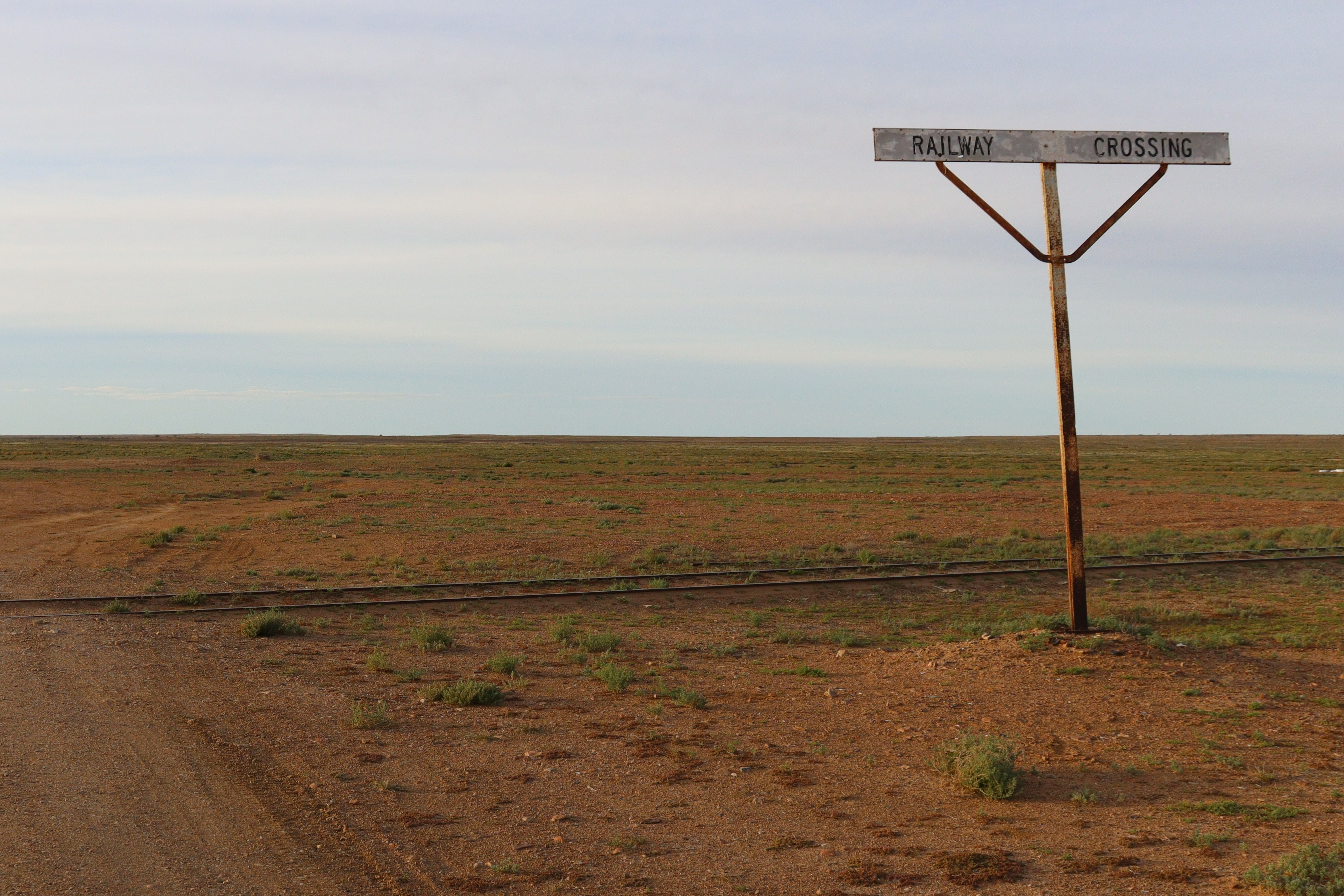
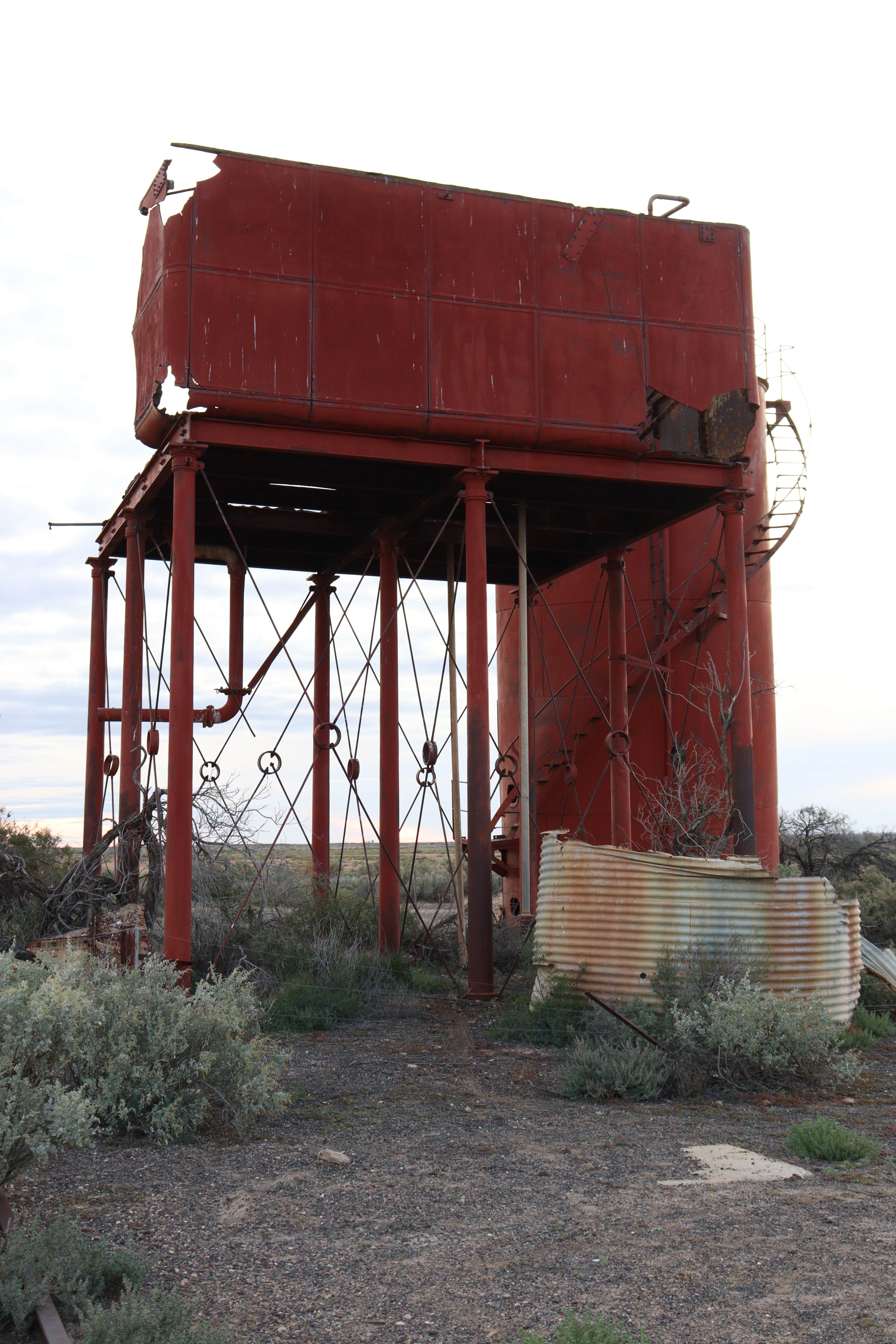
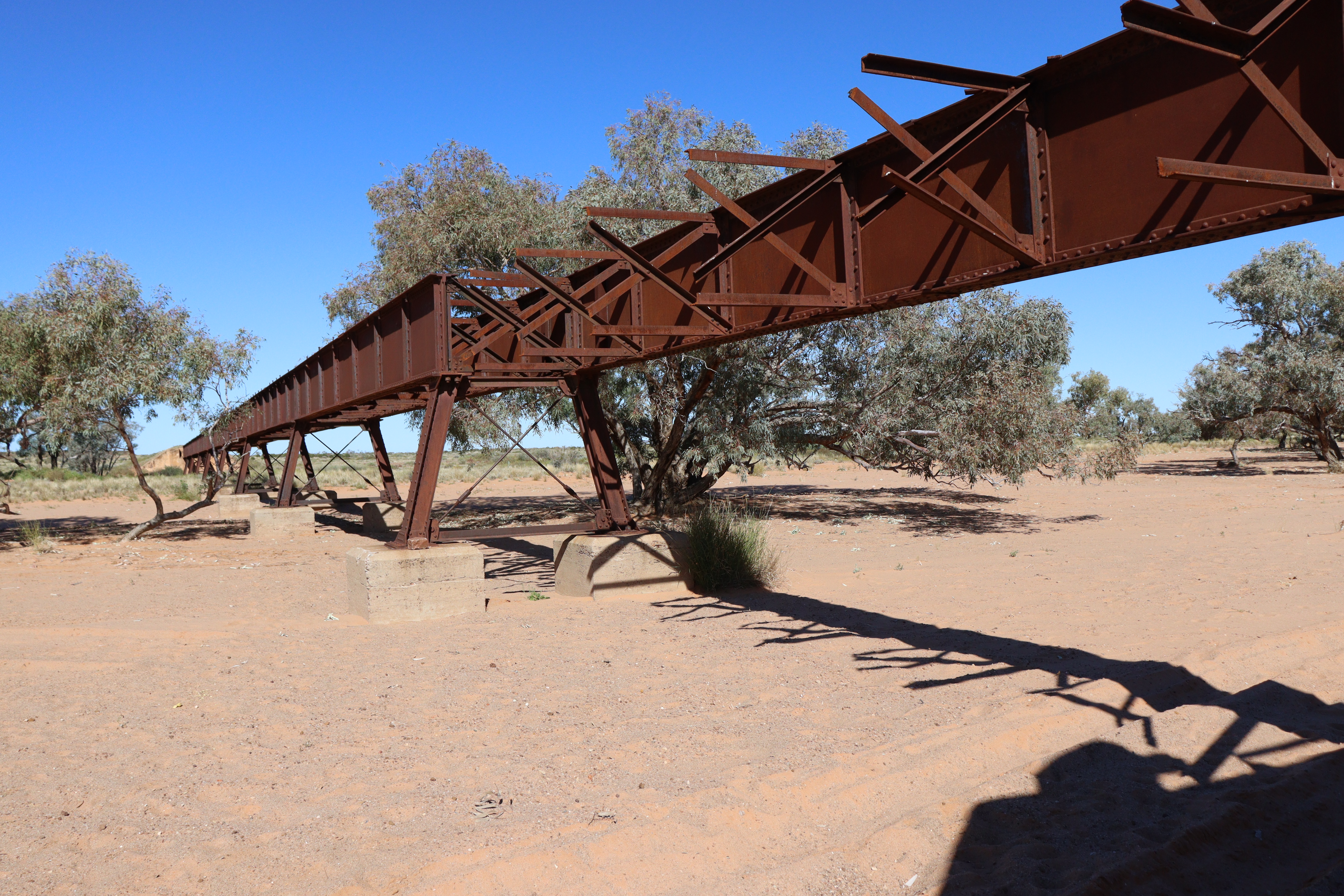
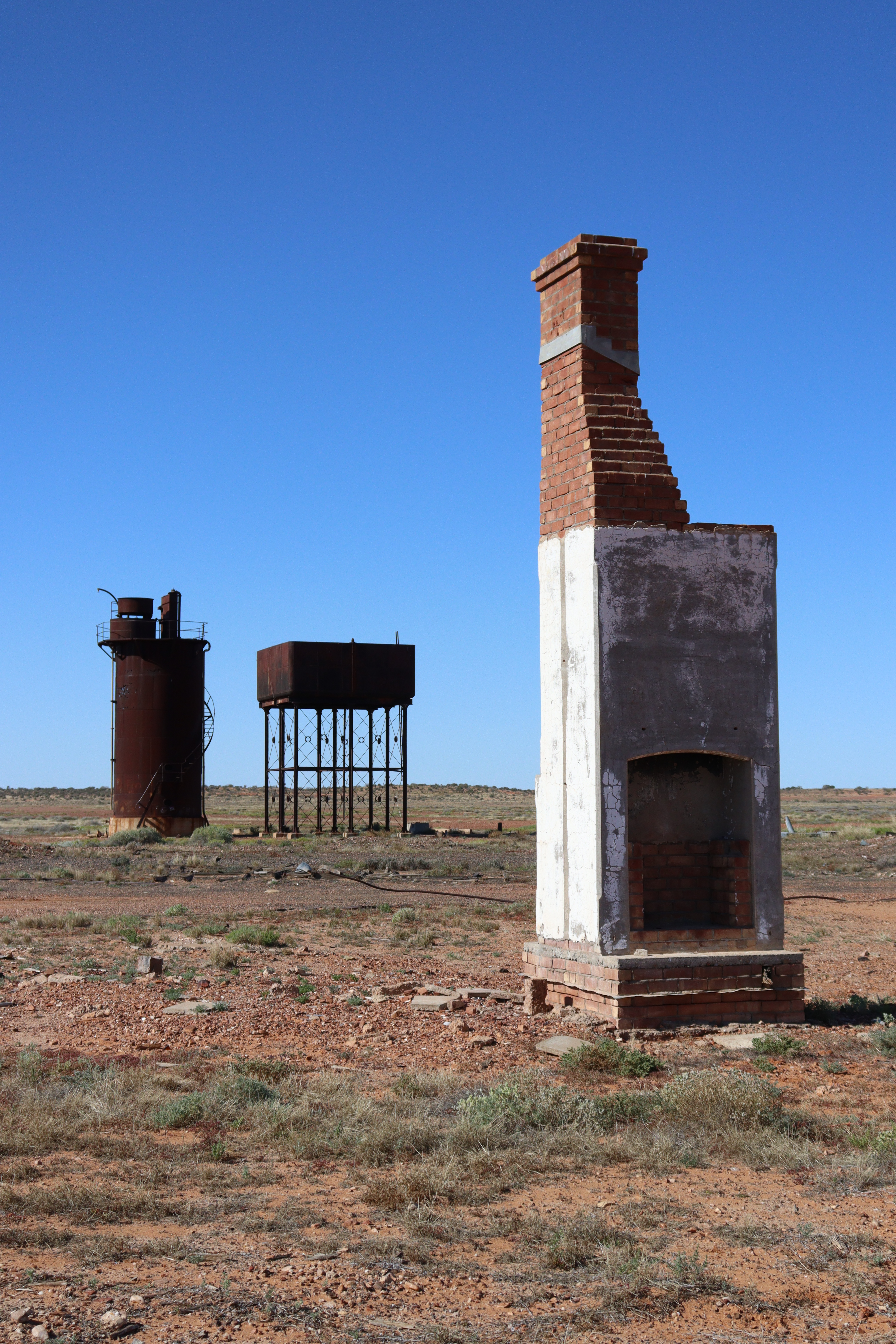
The Oodnadatta Track is an iconic road route that follows the route of the original Old Ghan Railway that linked Adelaide and Alice Springs. Having travelled the Track in the past we knew what to expect, but this time we slowed down and really explored the many sites it offers along the way. Many of these sites, such as Curdimurka, Beresford, and Edward Creek, are the old railway sidings that incorporate fettlers cottages, huge water tanks and Kennicott water softeners and remnants of the old railway tracks. Historic railway bridges occur as frequent reminders of how quickly waterways can fill after a downpour, with some of these bridges being over 300 metres long.

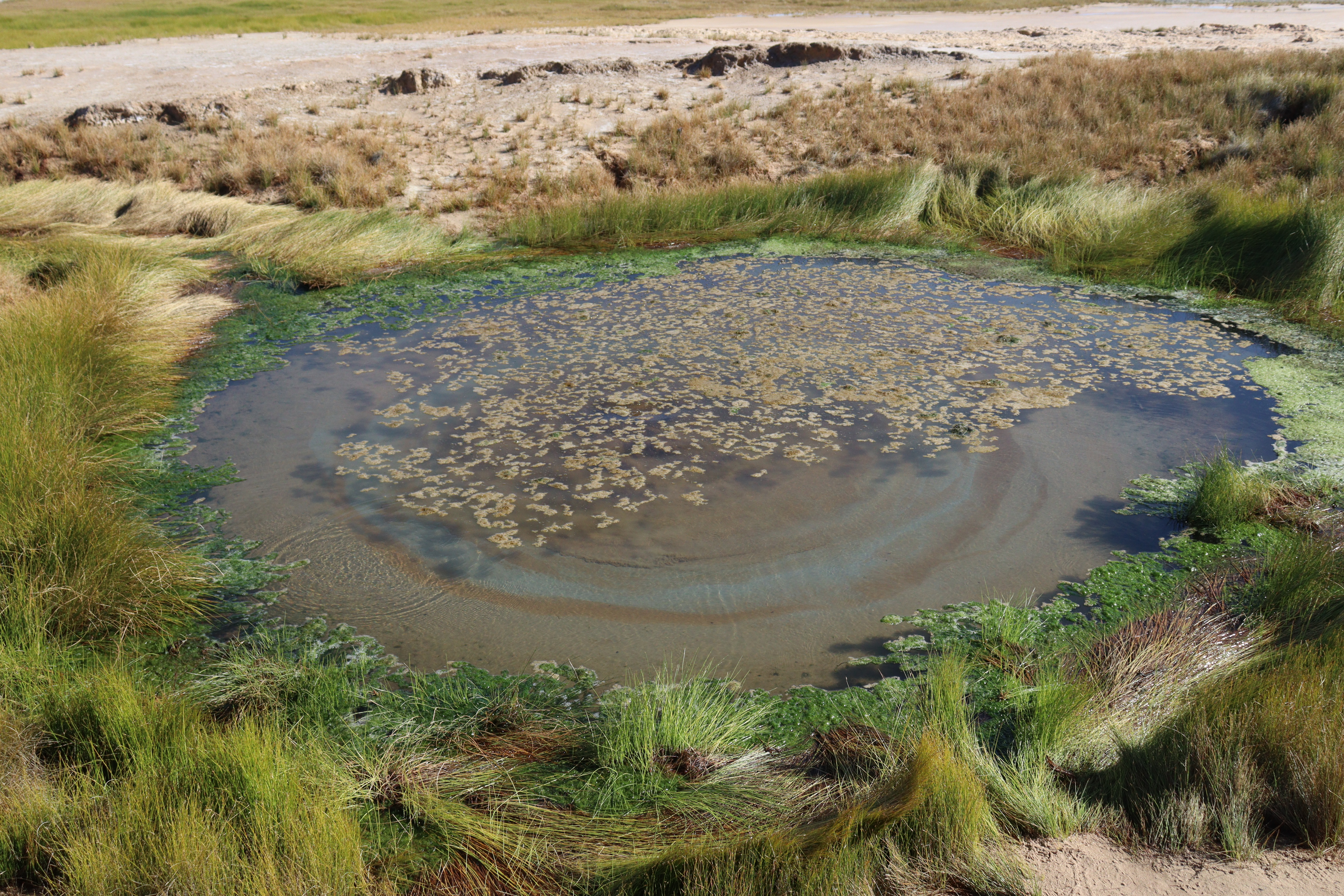
Wabma Kadarbu Mound Springs Conservation Park with its active mound springs bringing water from the Great Artesian Basin to the surface, is worth the short drive off the main track. The Bubbler lives up to its name with water continuously bubbling up from the depths creating lovely patterns in the colored sands, while the Blanche Cup sits atop a fairly high mound with its hot water pool surrounded by a thick growth of reeds.

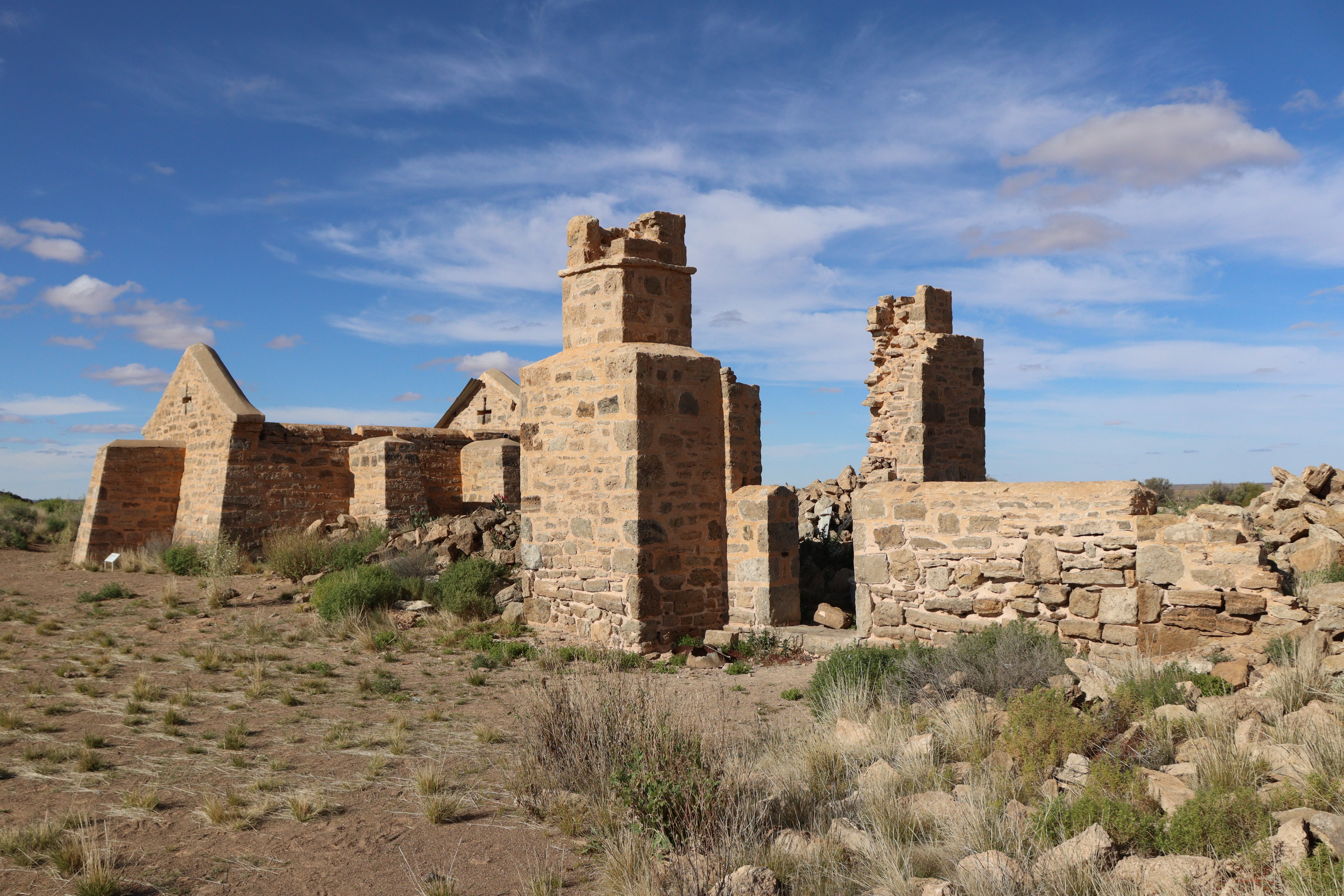
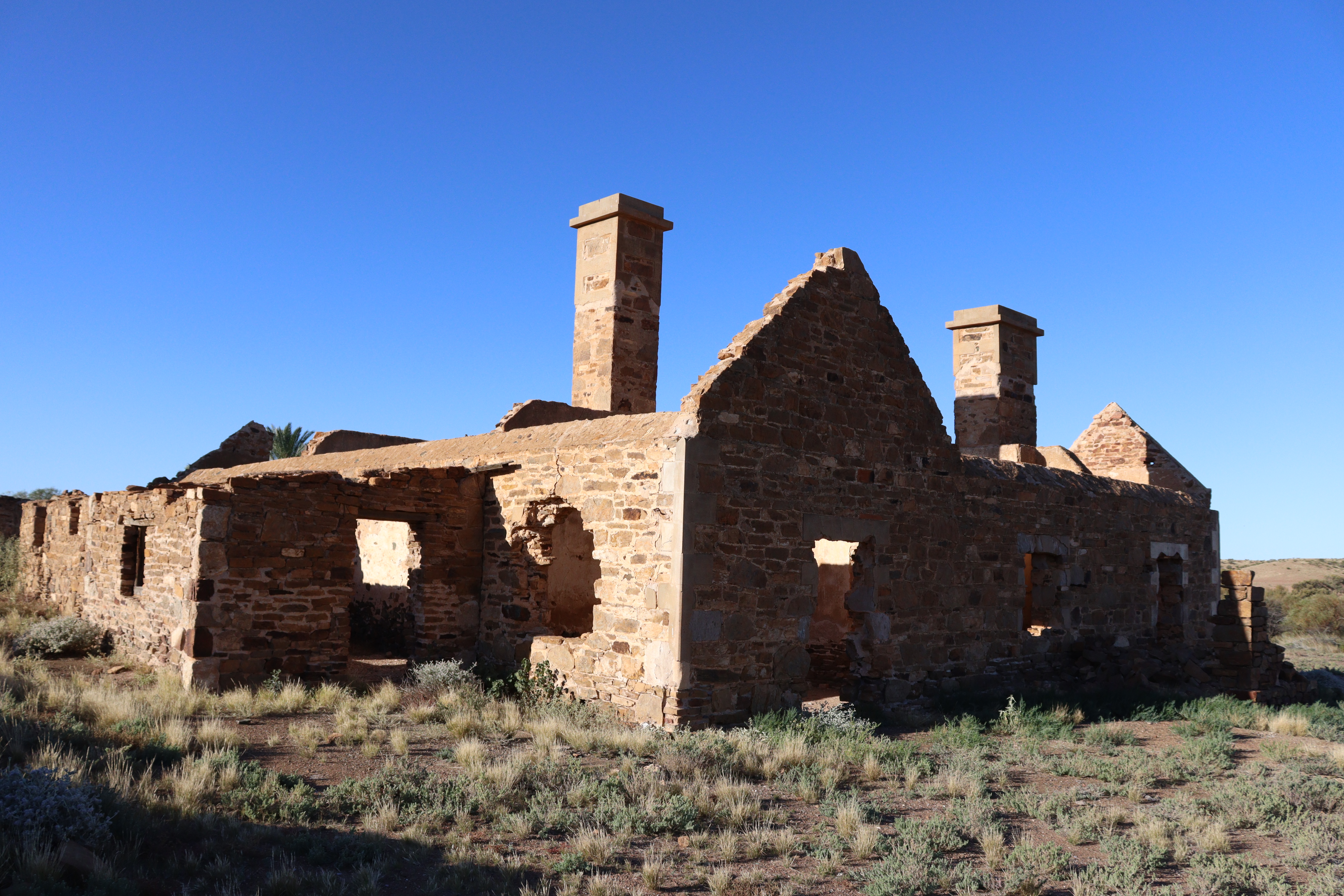
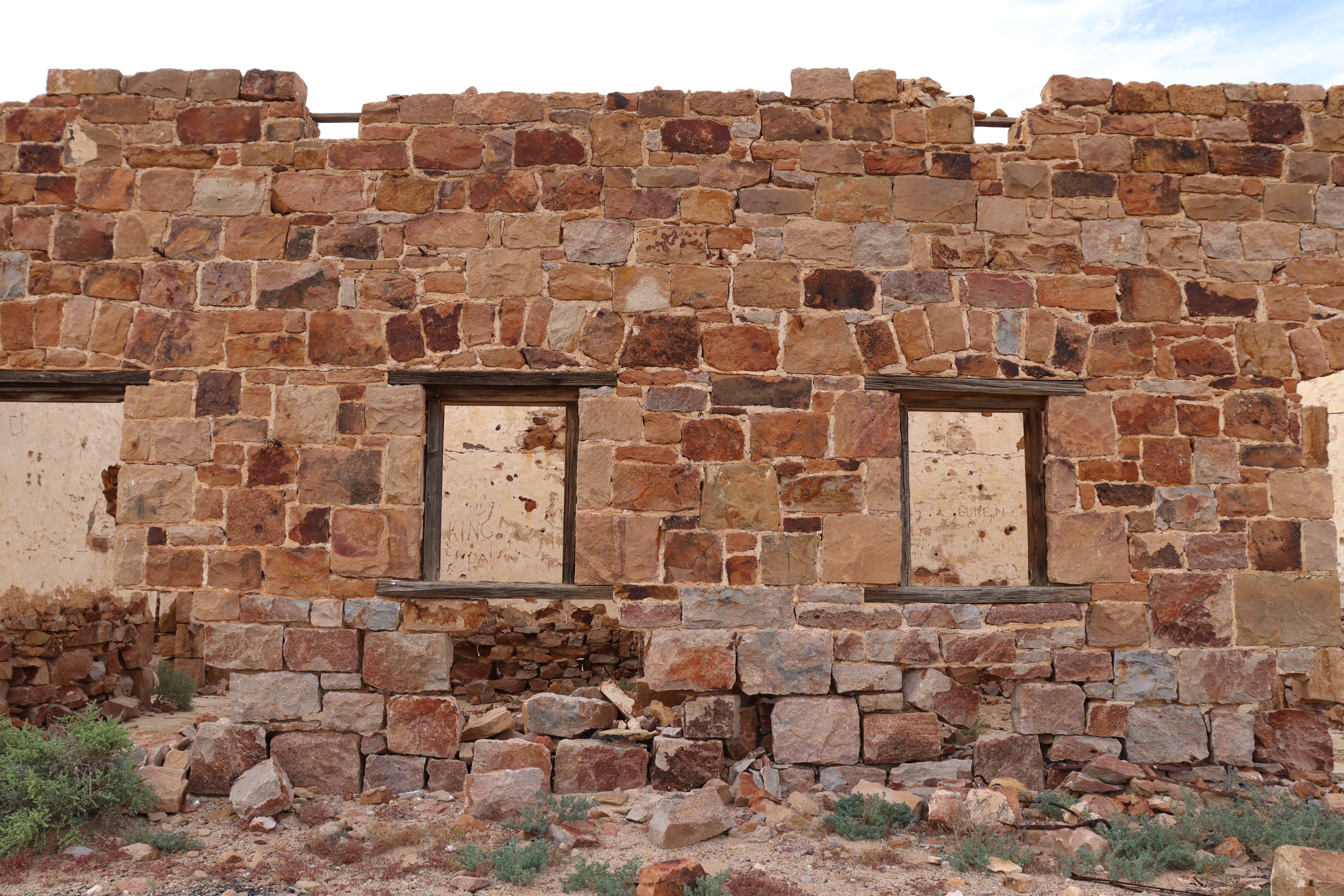
Strangways Springs and The Peake were historic pastoral leases and Overland Telegraph Repeater Stations dating back to the 1870s. While Strangways is a short two kilometres off the Track, The Peake ruins are found at the end of a slow 20-kilometre 4WD track, but both are well and truly worth the effort of getting there. Both of these State Heritage Listed locations feature a number of buildings in varying stages of disrepair and include some very interesting and photo-worthy structures.




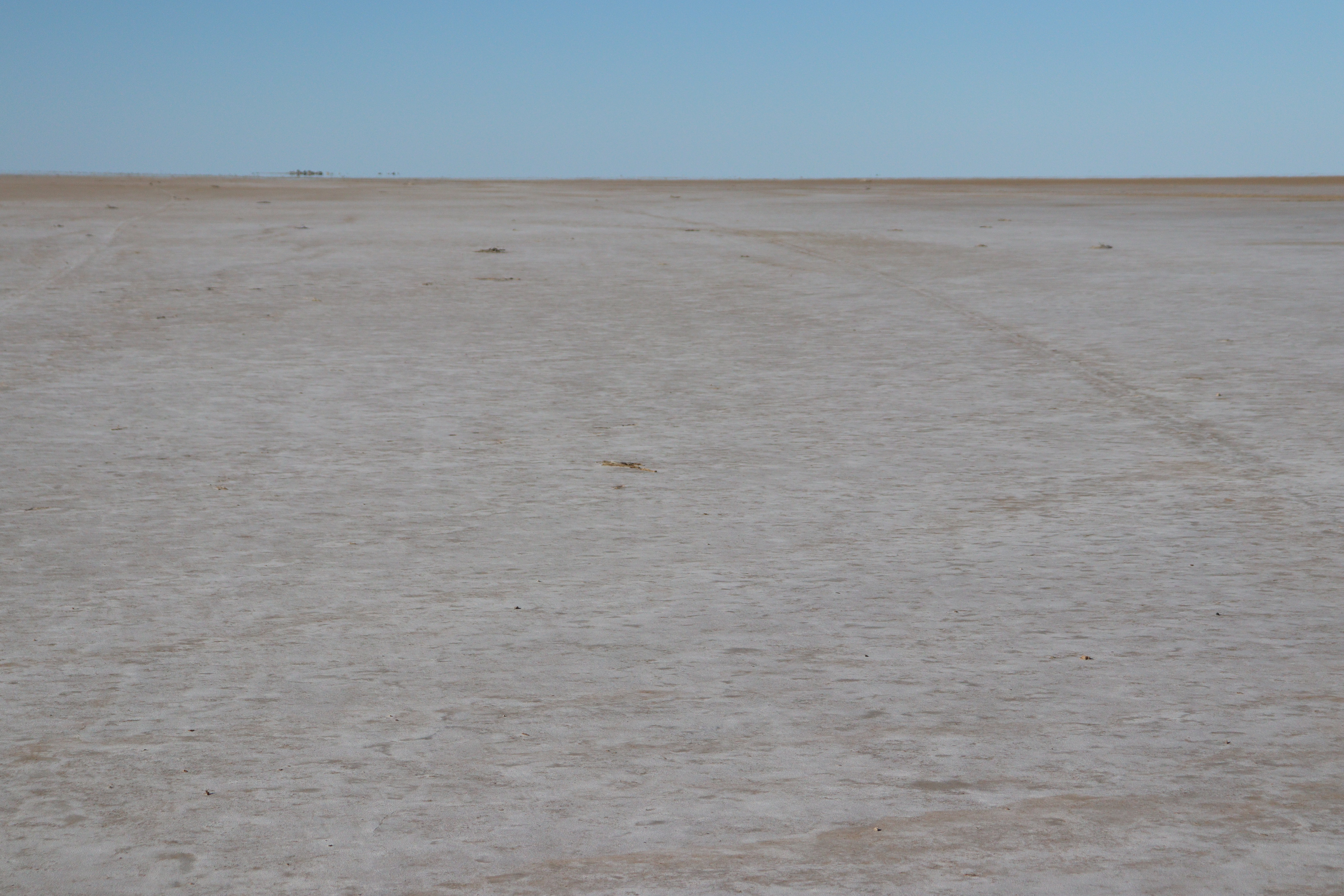
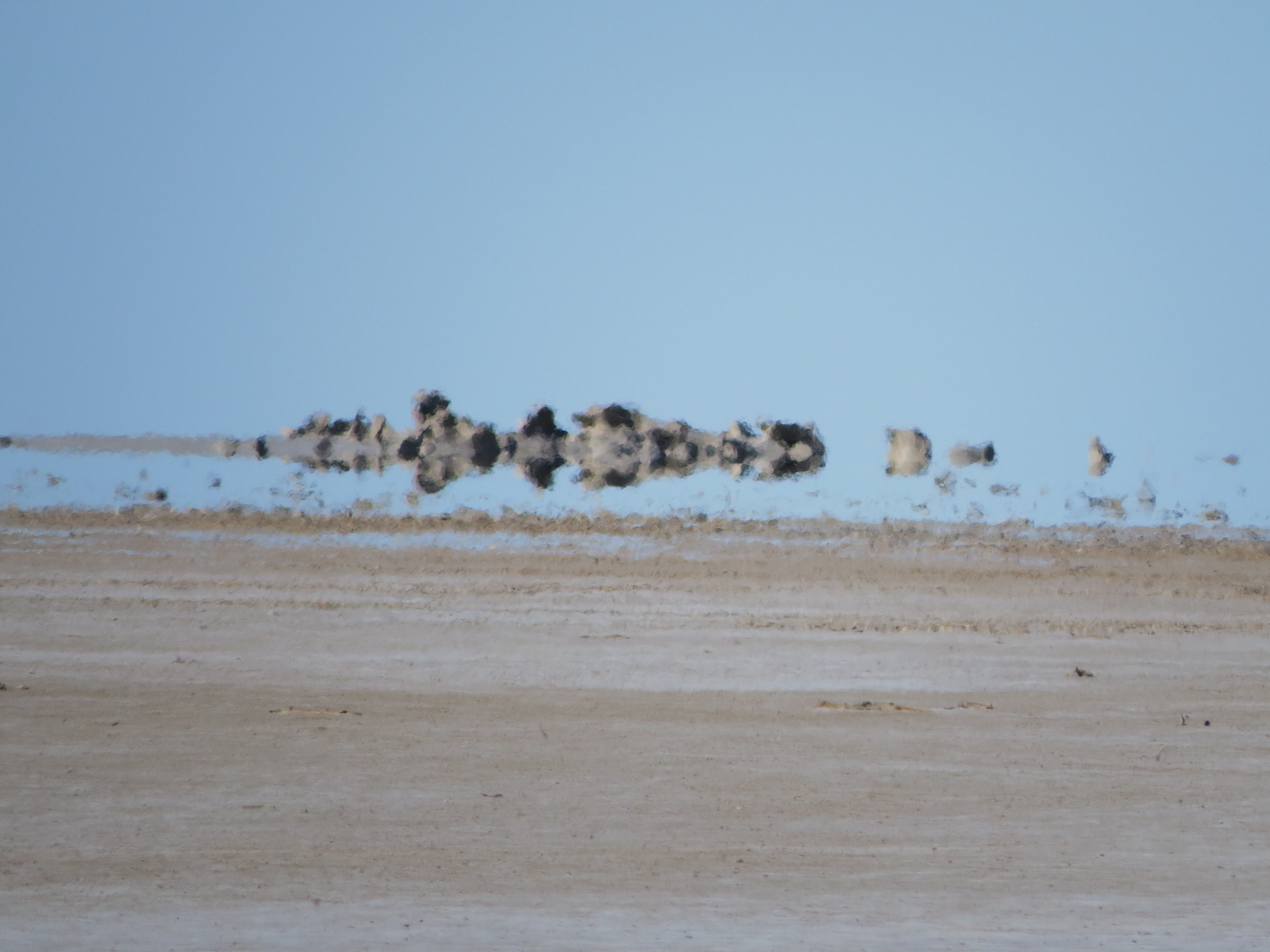
Just out of William Creek “township” is the turnoff to Kati Thanda – Lake Eyre National Park, and the 60-odd kilometre road, which passes through varying landscapes, ranging from dry cattle grazing to gibber plains to a most unexpected “moonscape” of dark rock and mesas, and finally takes you out to Halligan Bay Campground, at the edge of Lake Eyre. Not sure what to expect out there as there had been varying reports of water in the lake after all the rain up north, but on arrival we found the lake to be much as it usually is – a dry crusted salt pan, and walking out onto it for a couple of hundred metres convinced us that we would not get to see any water there except by turning our feet back and forth in the salt and sand to bring some to the surface. This did not however take away from our experience of Lake Eyre, as it simply must be seen to be appreciated. It is just MASSIVE! At no point could we see the other side, and maybe, just maybe, we were able to see reflections of rocks on distant water – or it may have been reflected on the endless white of the salt.


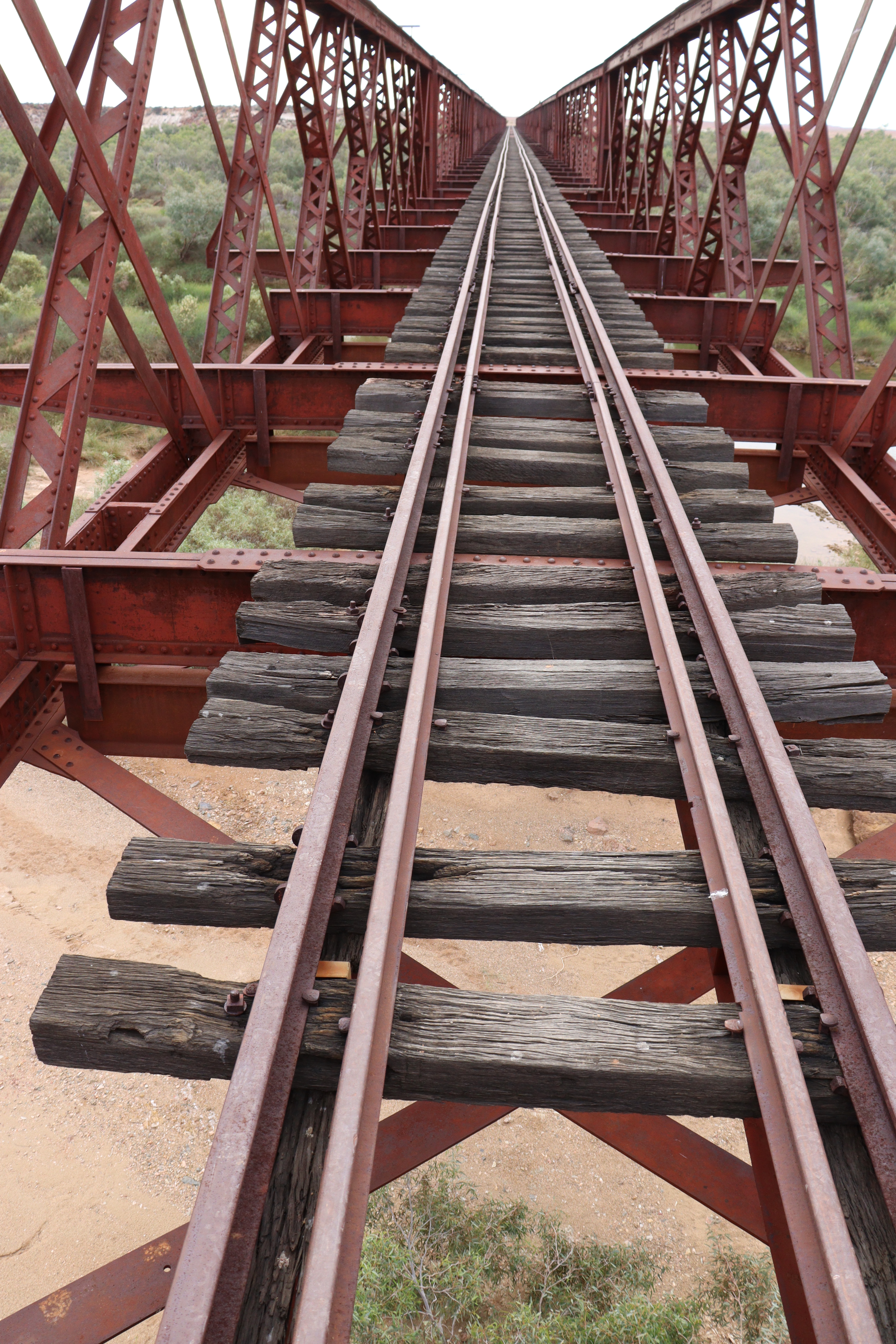
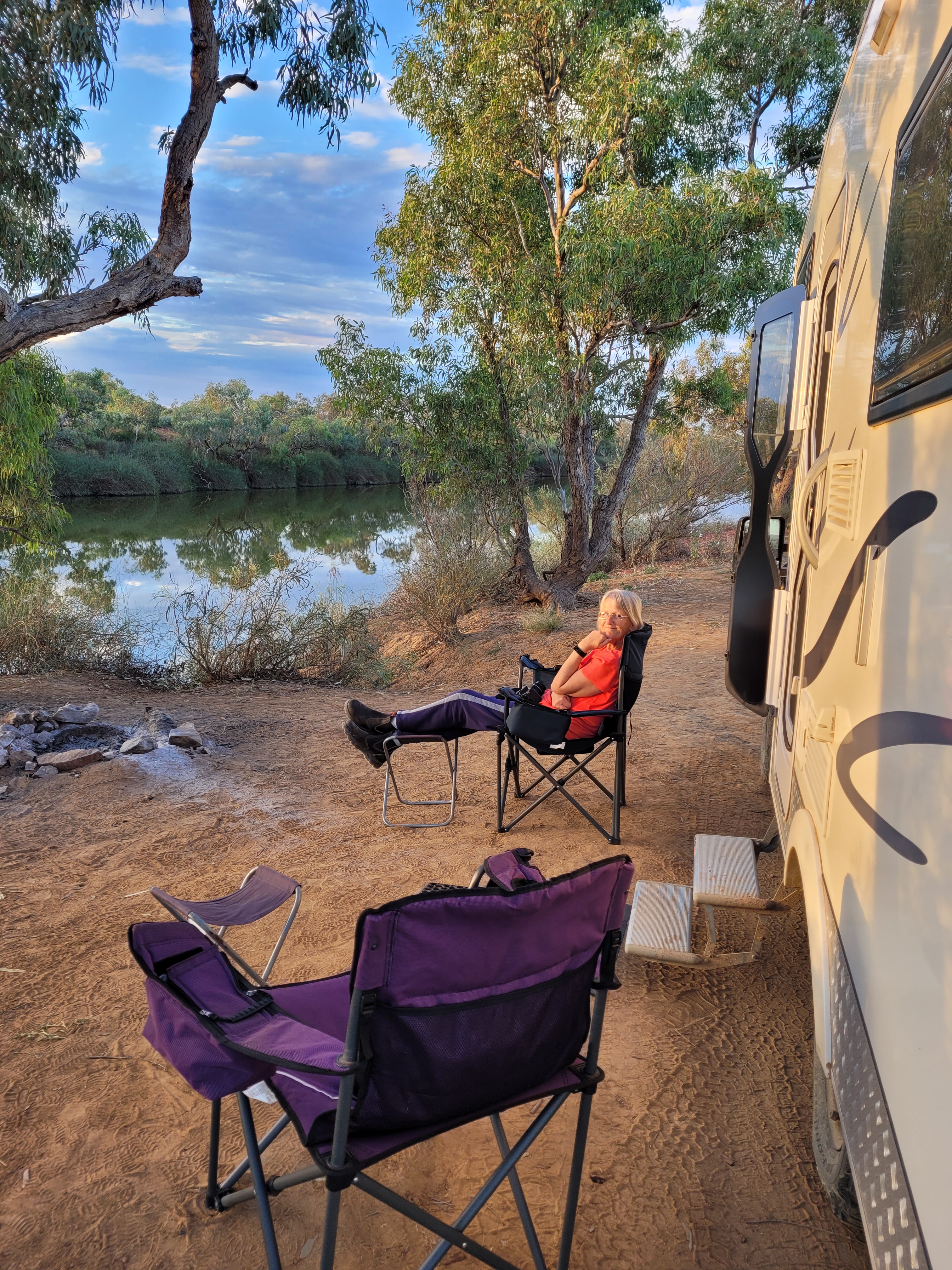
Overnight campsites along the Oodnadatta generally consist of pulling up at the old railway sidings, but the best spot in my view, was the Algebuckina Waterhole, across the track from the historic 527-metre-long railway bridge – the longest on the Track and at one time the longest in SA. The waterhole is well off the main track, and we spent a lovely night there watching a variety of birds coming and going, including lots of yellow green “swarms” of budgies – just amazing to see!





WTF?? Or HaHa!!
- Getting back to our site in Mildura after several hours out, we found our outside doormats, which, being very wet, we had left on site to keep our spot, were no longer there. But, new neighbours right next to us had, funnily enough, exactly same ones, even placed in same positions as we had left them. So I knocked on their door and politely said, “You don’t mind if I take our mats back now, do you?” to which he sheepishly replied, “Well, it was very wet when we got in here!” -no attempt to deny he’d taken them…and from then on, no eye contact or greetings offered!
- Burra Burra mine site is part of a Tourist Passport where you need a key to access some of the sites. As it turns out, the mine site is one that needs a key. Being on foot wasn’t an issue for us, but a carload of visitors who had driven into the site after finding the gate open, found themselves locked in after their drive around the site. Last we saw of them, they were parked inside the locked gate, trying to ring for help to get them out!
- Halligan Bay-Lake Eyre – just on sunset a car drives into the campground, round the loop without even stopping and back out again. Why?? It’s a 61-kilometre 4WD-recommended road to get out there and they didn’t even stop!!
- Algebuckina Bridge -527 metres long, iconic photo-op. so why does this idiot park right under the bridge meaning no one can get a good shot of the bridge without getting his rig in it too?
- Pink Roadhouse in Oodnadatta – iconic, great hamburgers you can’t jump over, but diesel at $2.999 per litre did hurt a bit!

 Tabers Travels