
(Click on images to enlarge.)
The year is passing so quickly and despite the restrictions placed on us again with Covid-19 outbreaks, we have still managed to escape a couple of times and get out there in Roxy.


Our first getaway for the year was a couple of days in Melbourne, not in Roxy of course, but staying in a city hotel for the first few days of the year. We try to do this at this time every year as the city is much quieter which makes for easier getting around, although this year it was eerily quiet with many places still shut due to covid. So we spent the days shopping, going to the movies, walking and eating out. We took the train down to Geelong for a day to visit the National Geographic “Wildlife Photographer of the Year” exhibition which was well worth seeing. We also took the opportunity to visit Herring Island, a National Park on a tiny island in the Yarra River. I’m sure most people aren’t even aware that this NP exists right in Melbourne, but on a pleasant day it’s a lovely spot to escape the city and wander amongst the picnic areas, and sculpture gardens, and despite its proximity to the city, it is quite peaceful and relaxing.
We had a couple of maintenance and warranty issues we wanted done on Roxy, so decided to incorporate a visit to the factory with our next trip away. Borders (NSW/Vic) were open, so we headed up the Hume, taking an overnight stop on the way, then a night in a caravan park not far from the factory. Up bright and early next morning, we navigated our way through the outer Sydney traffic to the factory, and after a quick discussion with them, supplying a list of our requirements, we left Roxy in their care for the day. Deciding they’d probably have her for the whole day, we took a train into the city, and almost an hour later, when we were almost at Central Station, we got a phone call: they ran through the list with Gary and finished up by double checking that they could have Roxy till late the NEXT day! No problem!
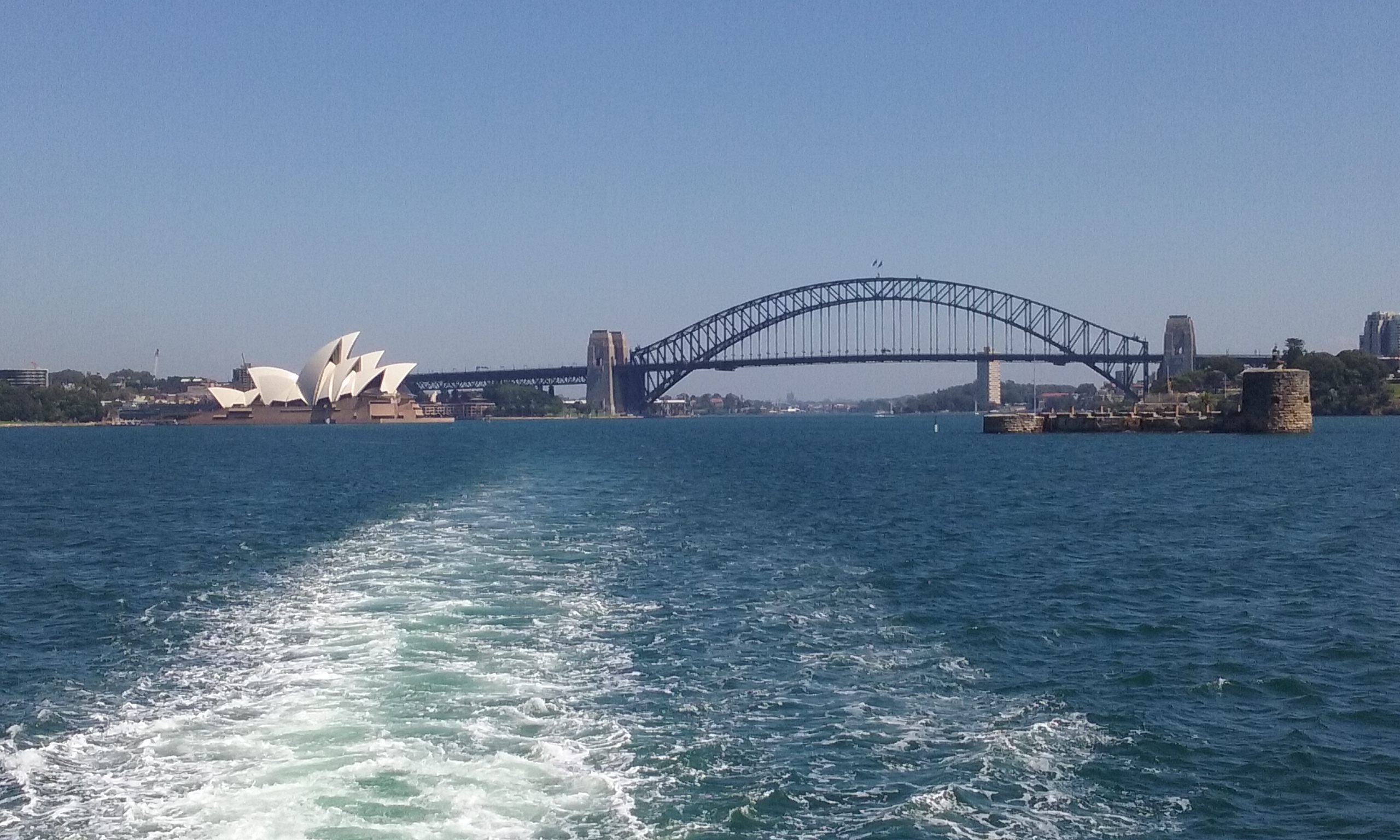
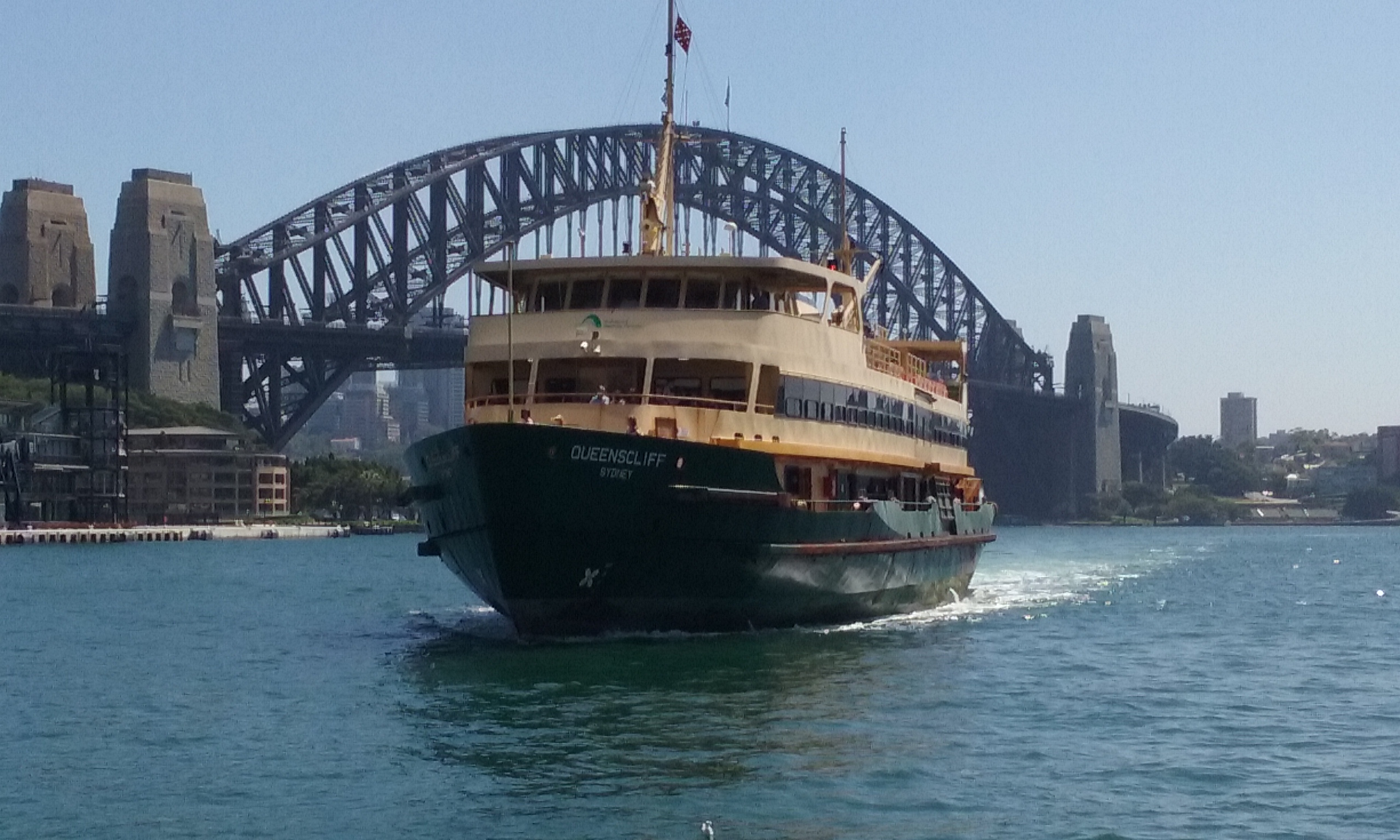
So there we were in Sydney with just the clothes we were wearing for the day, and phone and wallet. Never to pass an opportunity, Gary suggested we take the ferry across to Manly, and as I had never been there before, we did exactly that. Managing to secure accommodation at a nice hotel on the waterfront made it even more enticing, so across the harbor we went and spent a lovely warm day exploring and walking from one end of Manly to the other – after buying some bare essential toiletries to keep us decent for the night!
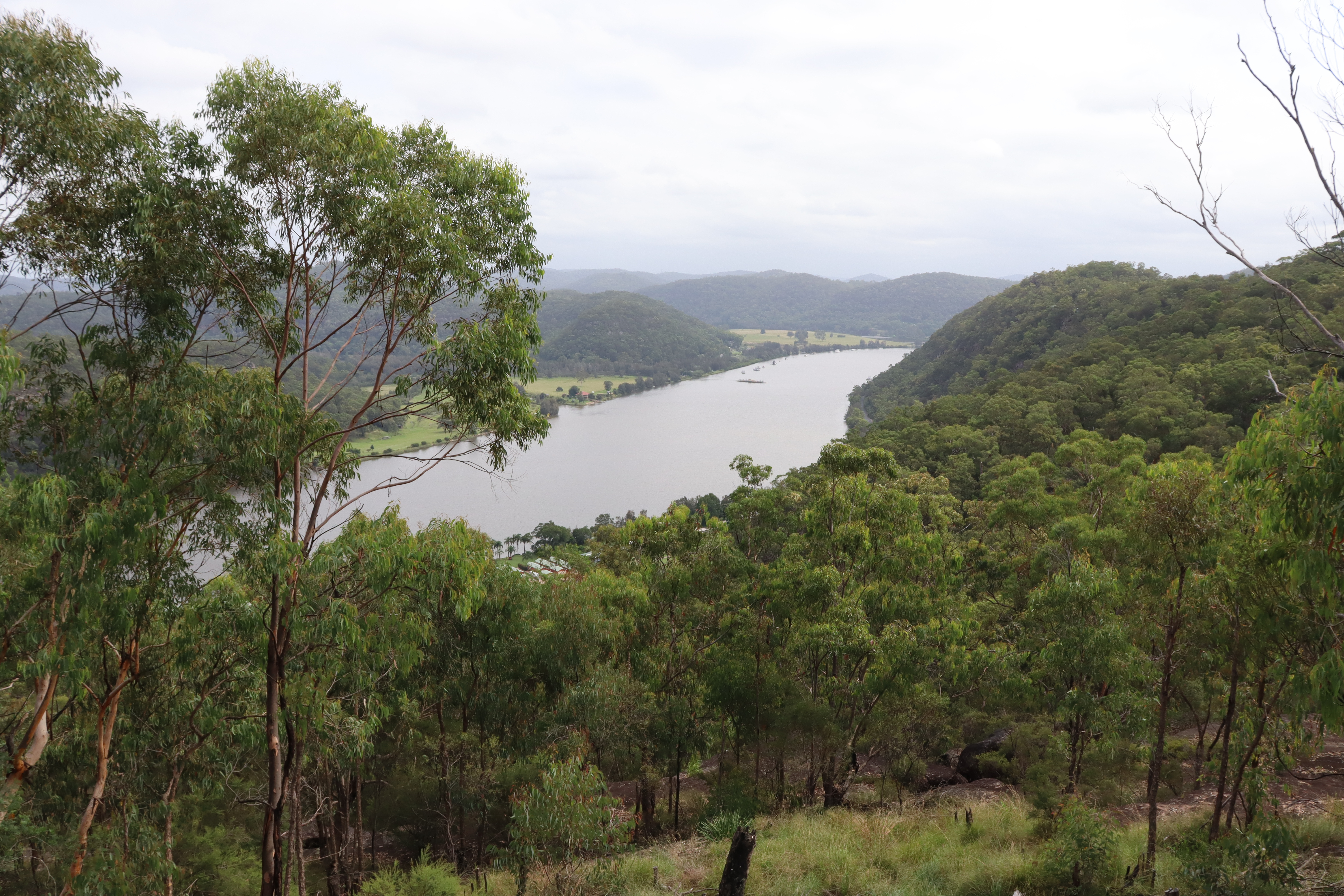
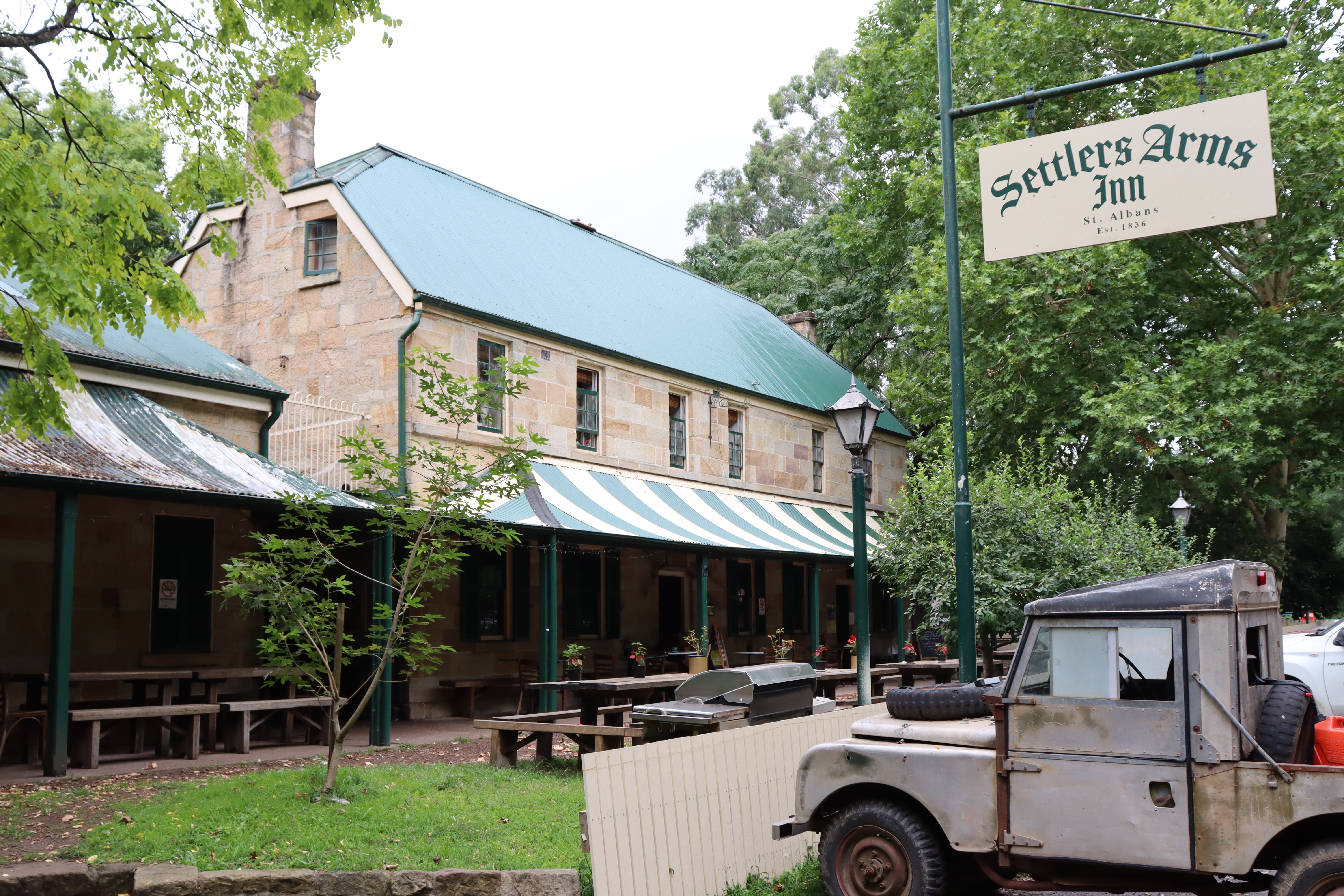
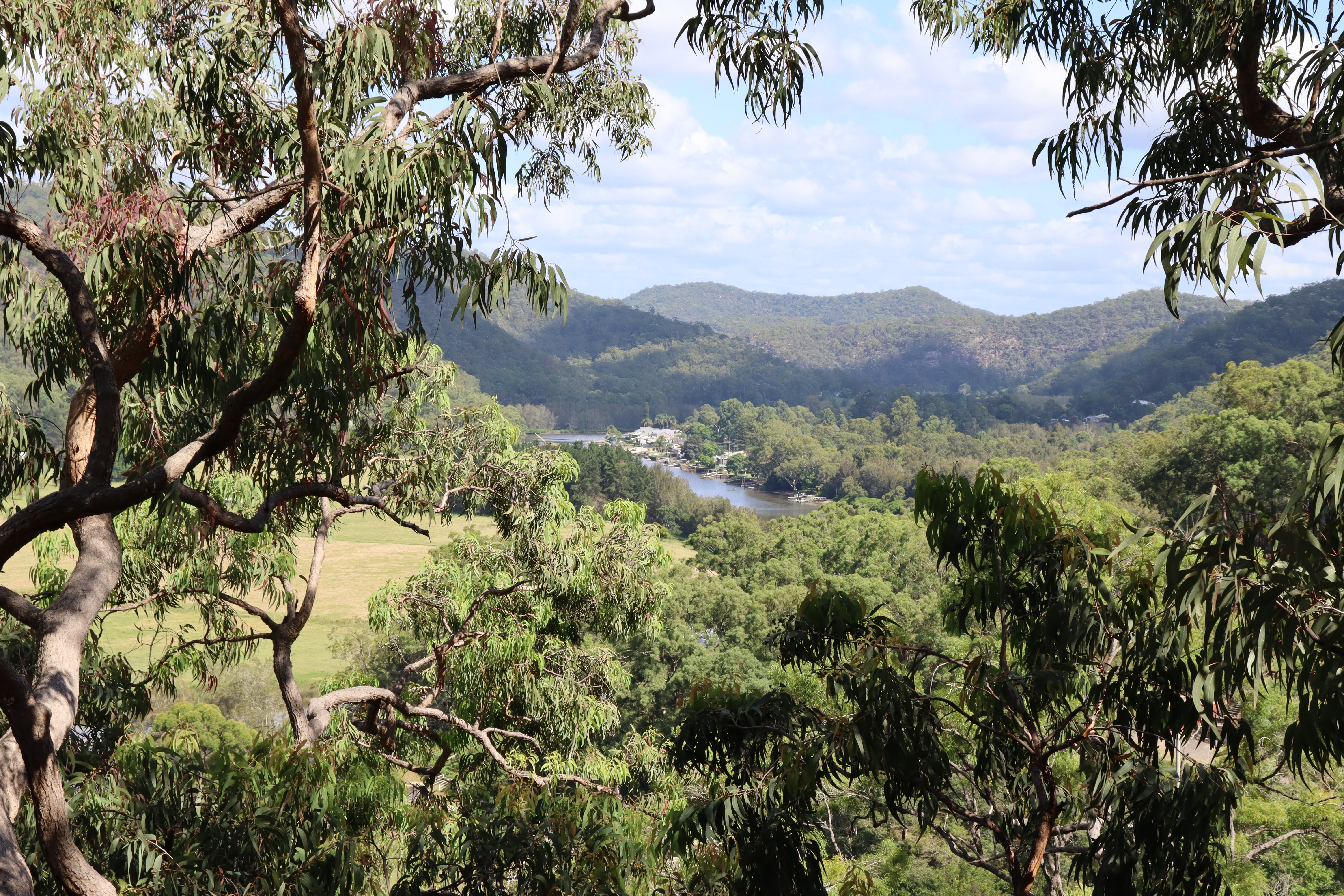
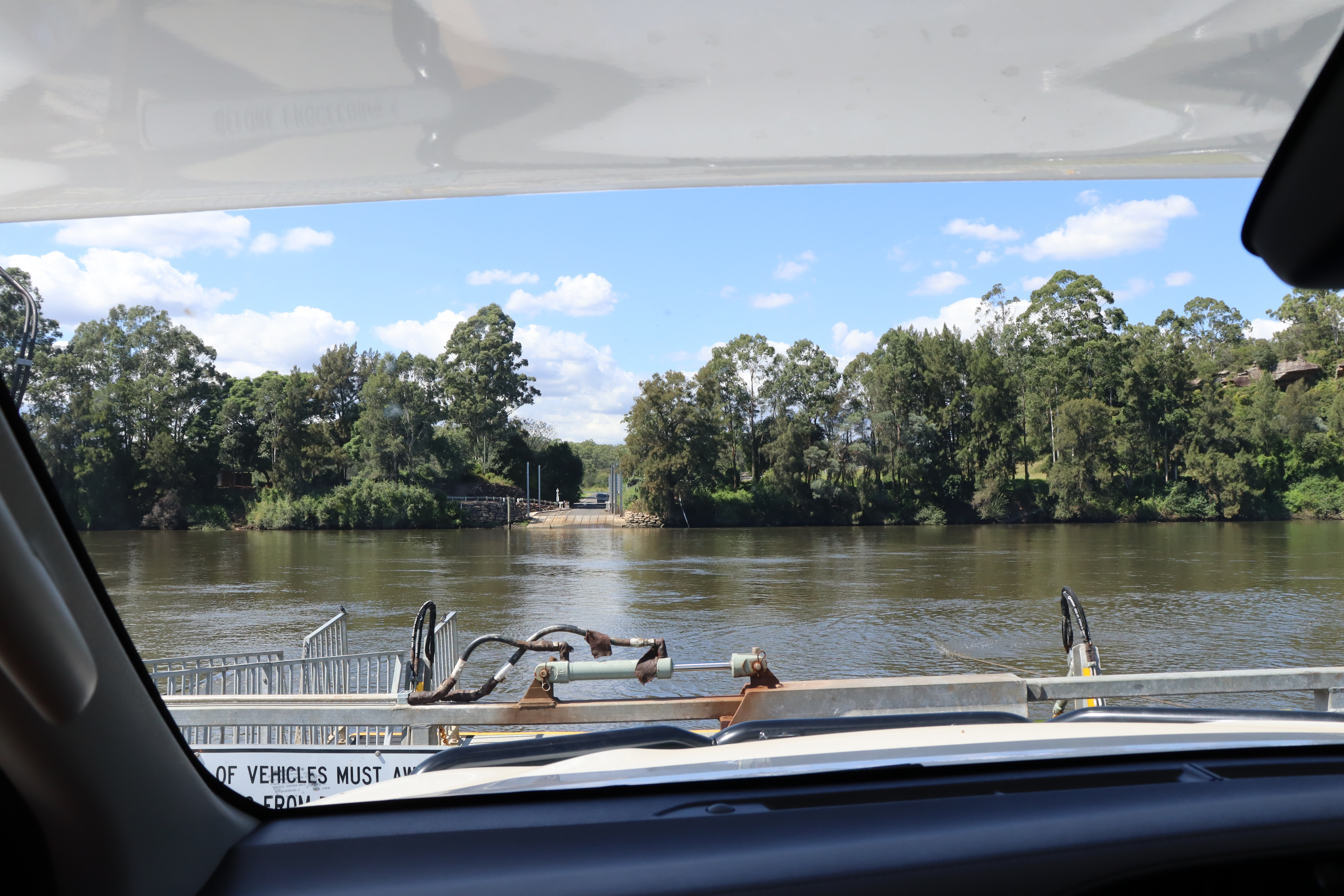
Once we had picked up Roxy, we started heading north out of town towards Wisemans Ferry, with its two ferries crossing the expansive Hawkesbury River one way and the lesser (but not much less) Webb Creek the other. After driving up to St Albans for a quick look at the historic pub and cemetery, we headed back down to Dharug National Park where we had two nights in the campground. What a great place! Not too far from the city (only about 80km) but you’d think you were a couple of hundred kilometres away. It’s such peaceful, native bushland, with the river nearby, large grass trees with huge flowers – and we had it virtually all to ourselves. Well, except for several lace monitors that roamed through the campsite and several lyrebirds that graced us with their presence and with their repertoire of mimicry.


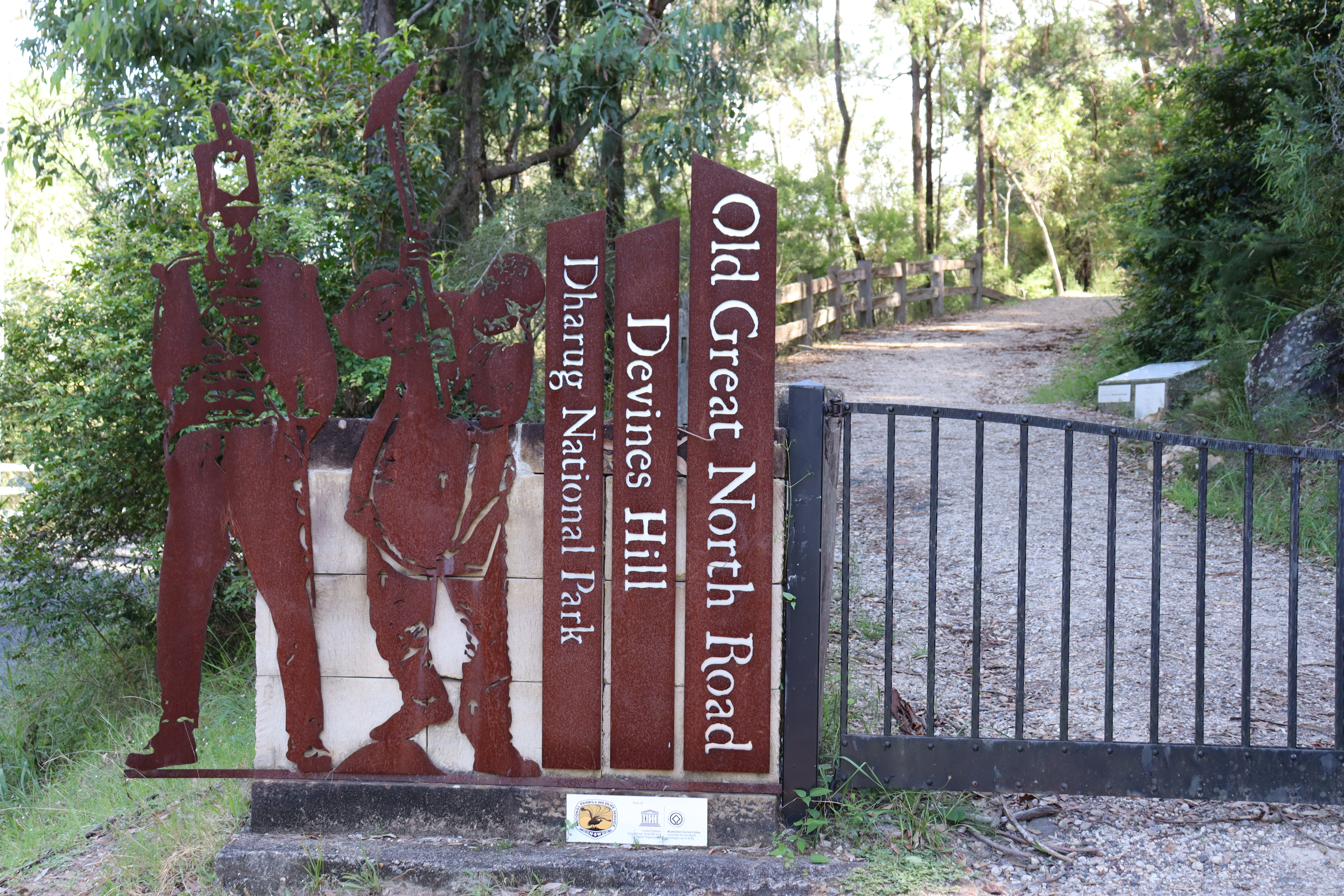
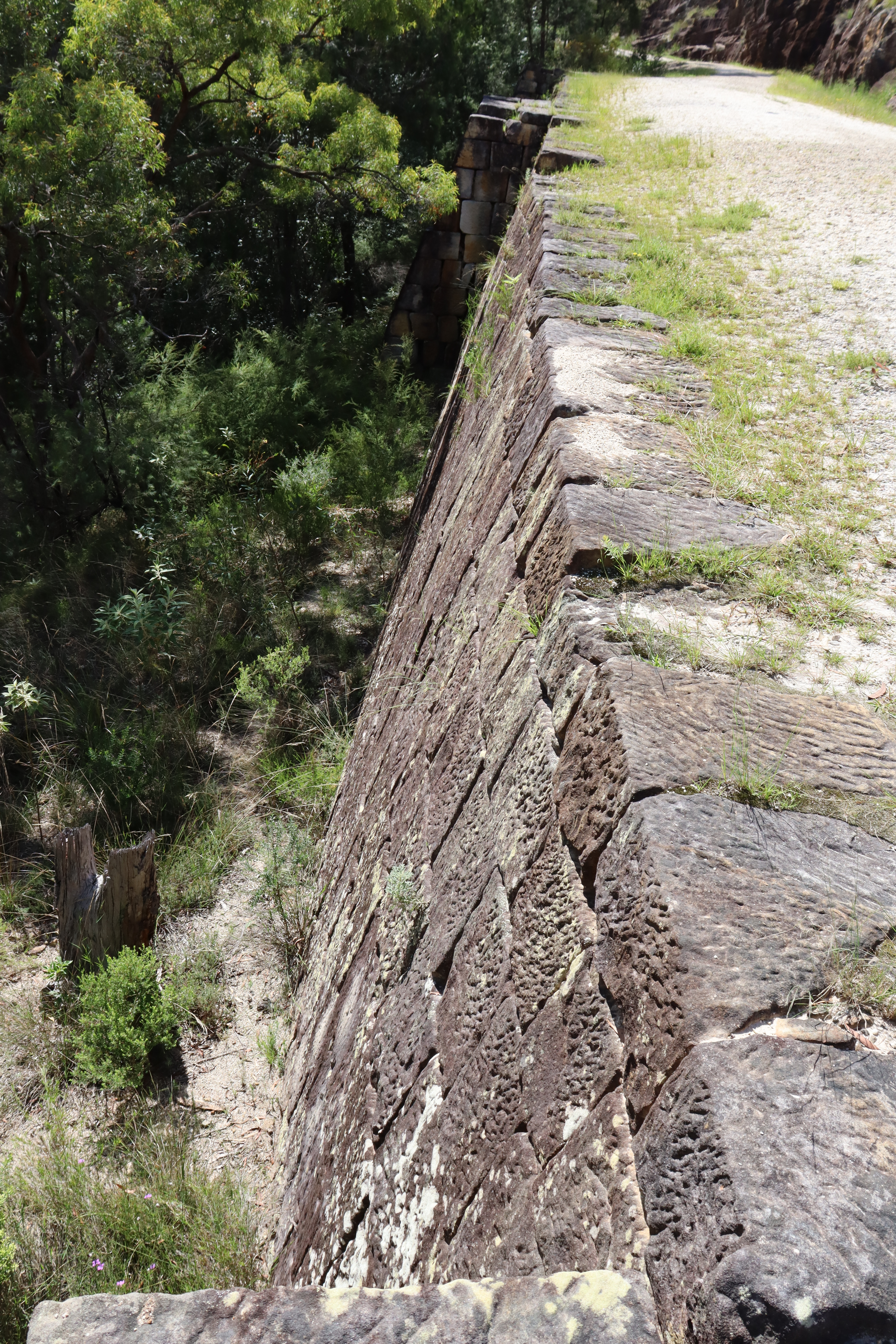
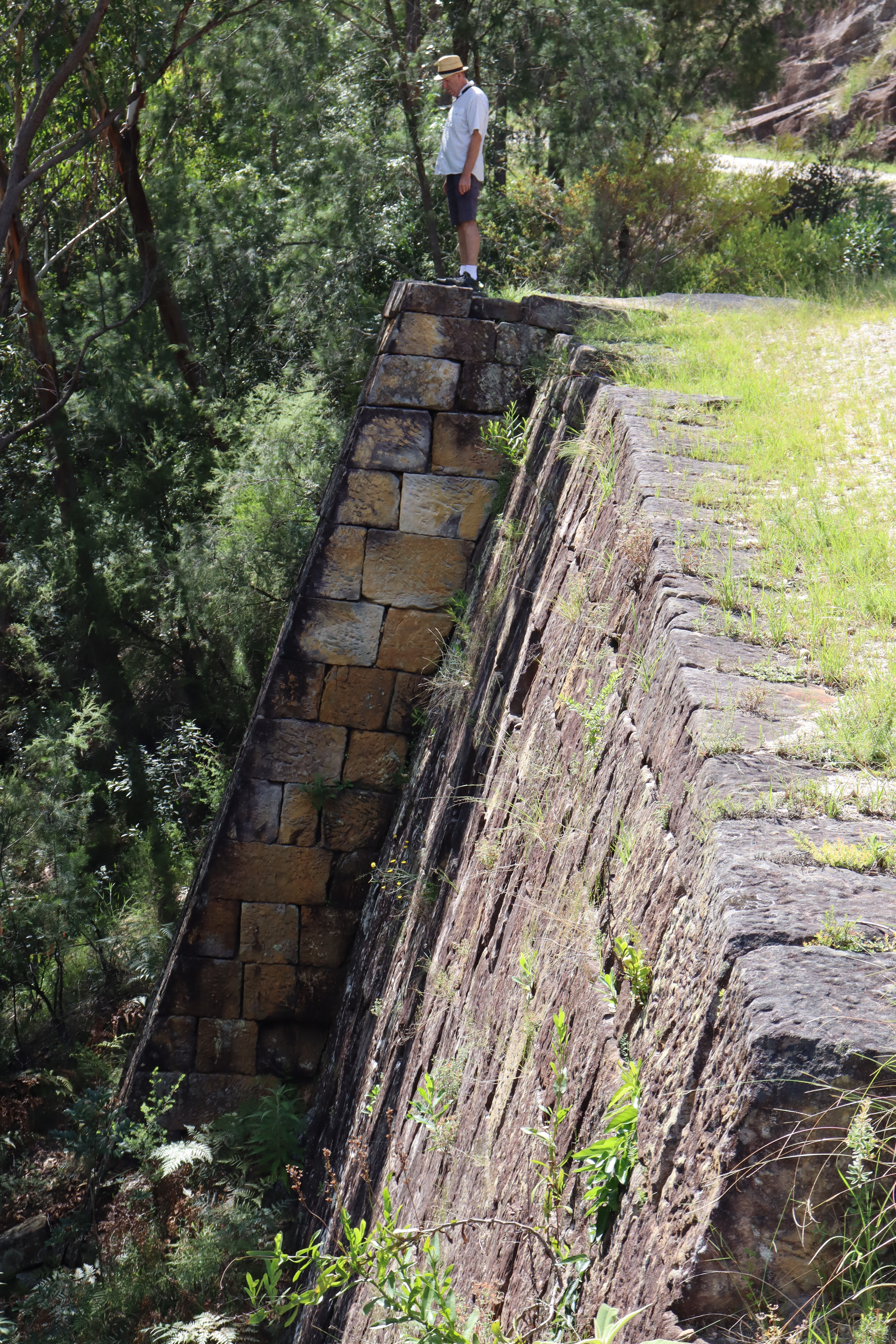
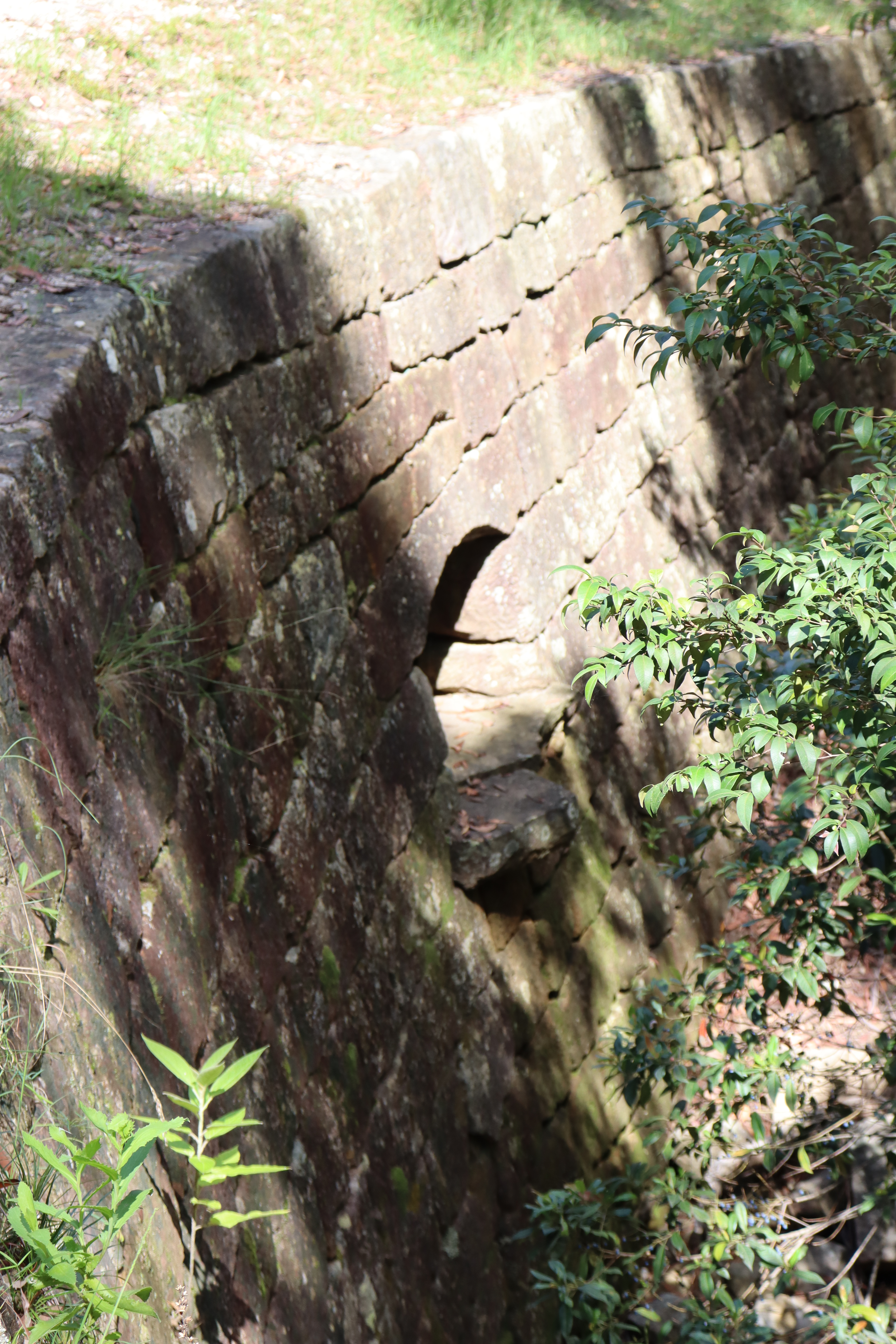
Within the National Park is the Convict Trail Walk, which takes you up the Devine’s Hill section of the Old Great North Road. This steep 1.8 kilometre section of the road was built by chain-gangs of convicts over the eleven years from 1825 – 1836. Listed on the UNESCO World Heritage Register, it was to be a route linking Sydney to the Hunter Valley, and shows an amazing feat of engineering and workmanship, where the convicts cut huge blocks of sandstone from the hillside and placed them with precision to build the road’s supporting walls and buttresses up to 12 metres in height, with culverts and drains running underneath to prevent water from undermining the road. Along the walk are information boards which tell the fascinating story of this road, which sadly became redundant even before it was finished, as steamships became the preferred mode of travel along this route. A walk well worth the effort!

Leaving the Dharug NP, we followed the Hawkesbury down to Sackville and back up to Lower Portland, then followed the Colo River, staying in the Upper Colo Reserve, which despite its cold showers, appears to be a very popular weekend camp spot! From there we headed down to Lithgow, driving along the Bells Line of Road which revealed incredible views of the Blue Mountains cliff faces that are more visible now since the devastating fires in the area a couple of years ago.


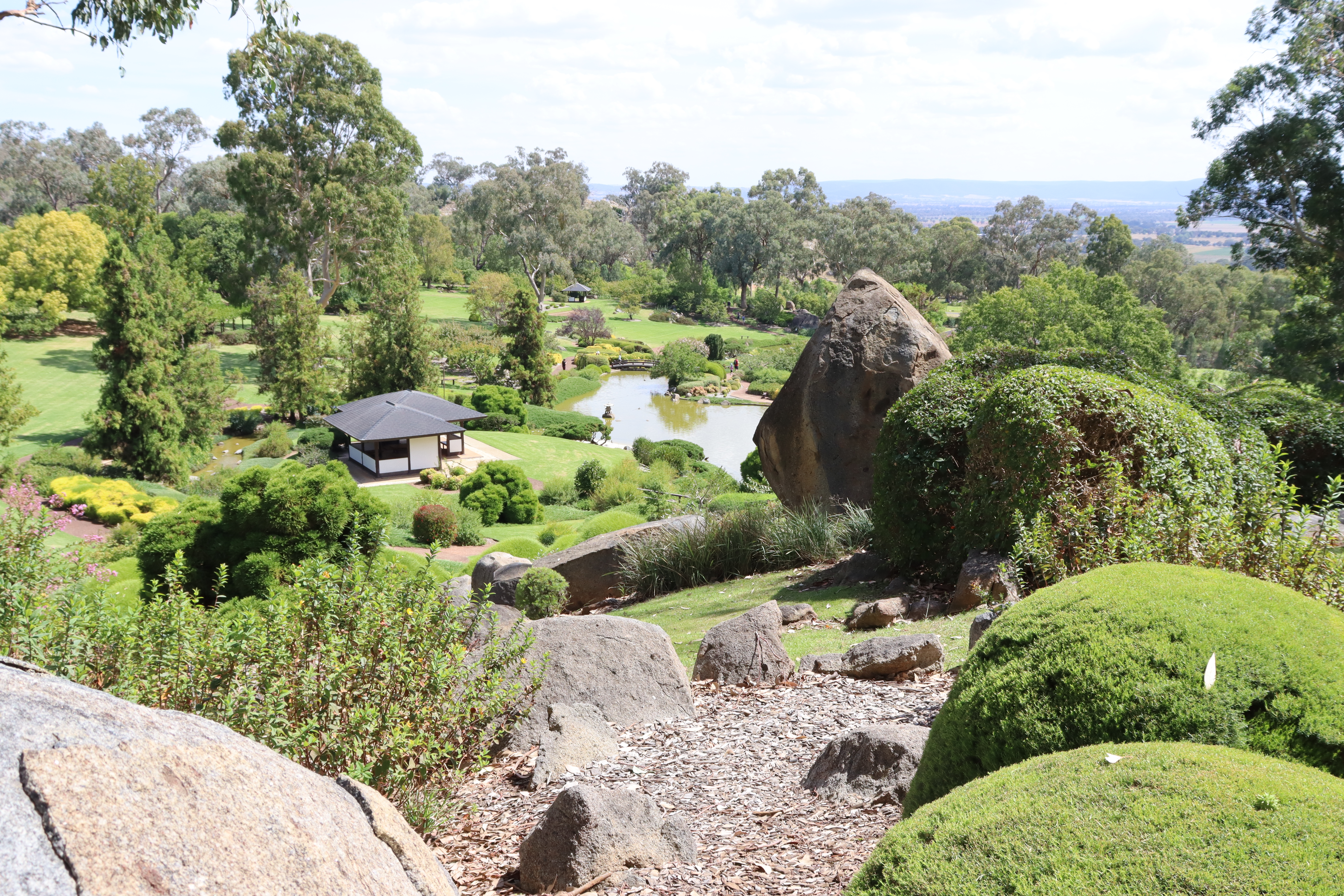
Cowra was our next port of call, taking time to visit the wonderful Japanese Gardens and the very sobering POW Internment Camp and Japanese Cemetery, where victims of the “Cowra Breakout” and those who died in the POW camp are buried. I still cannot understand why second and third generation Japanese in Australia were interned and treated like enemies during the war?? A sad part of our history, indeed.

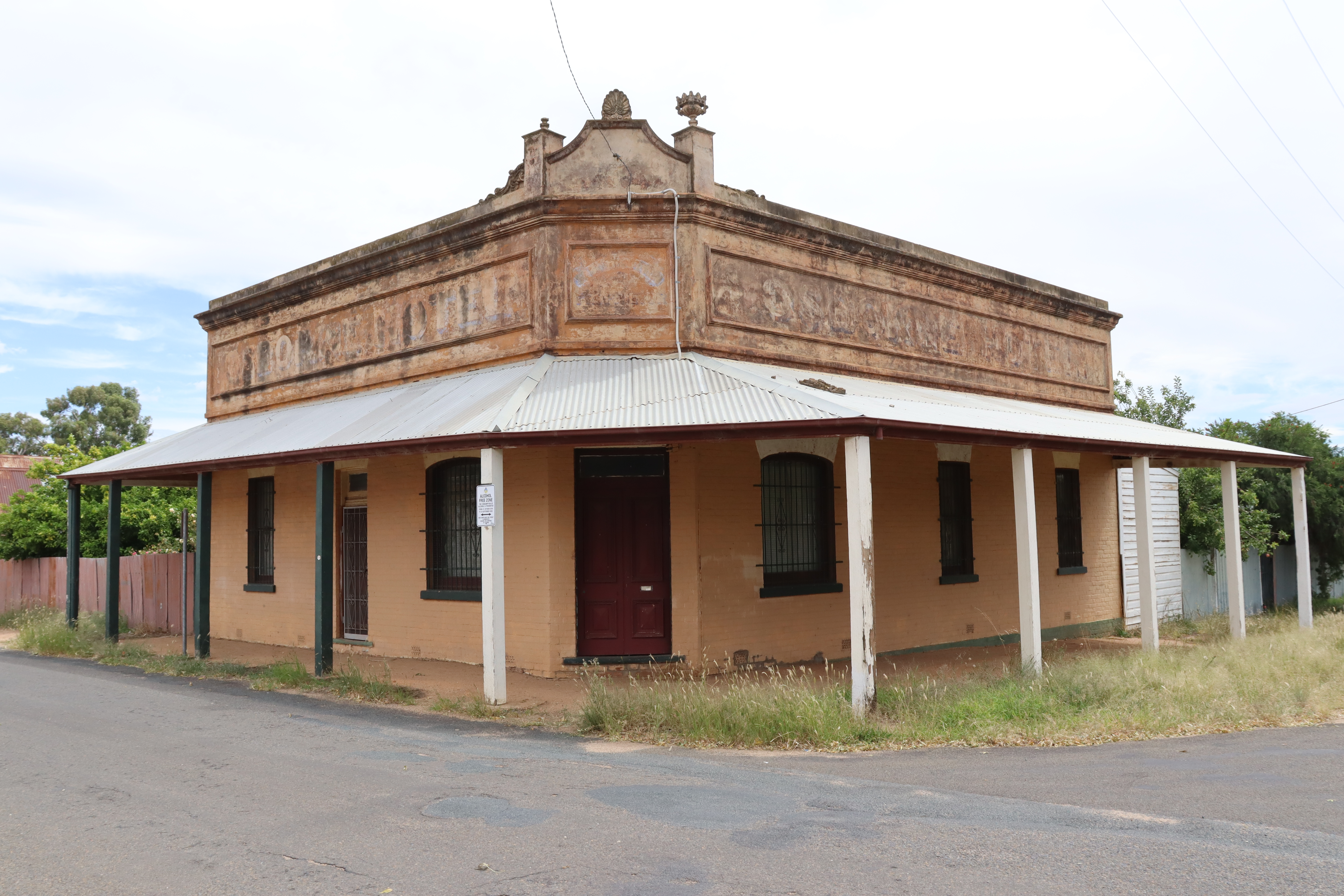


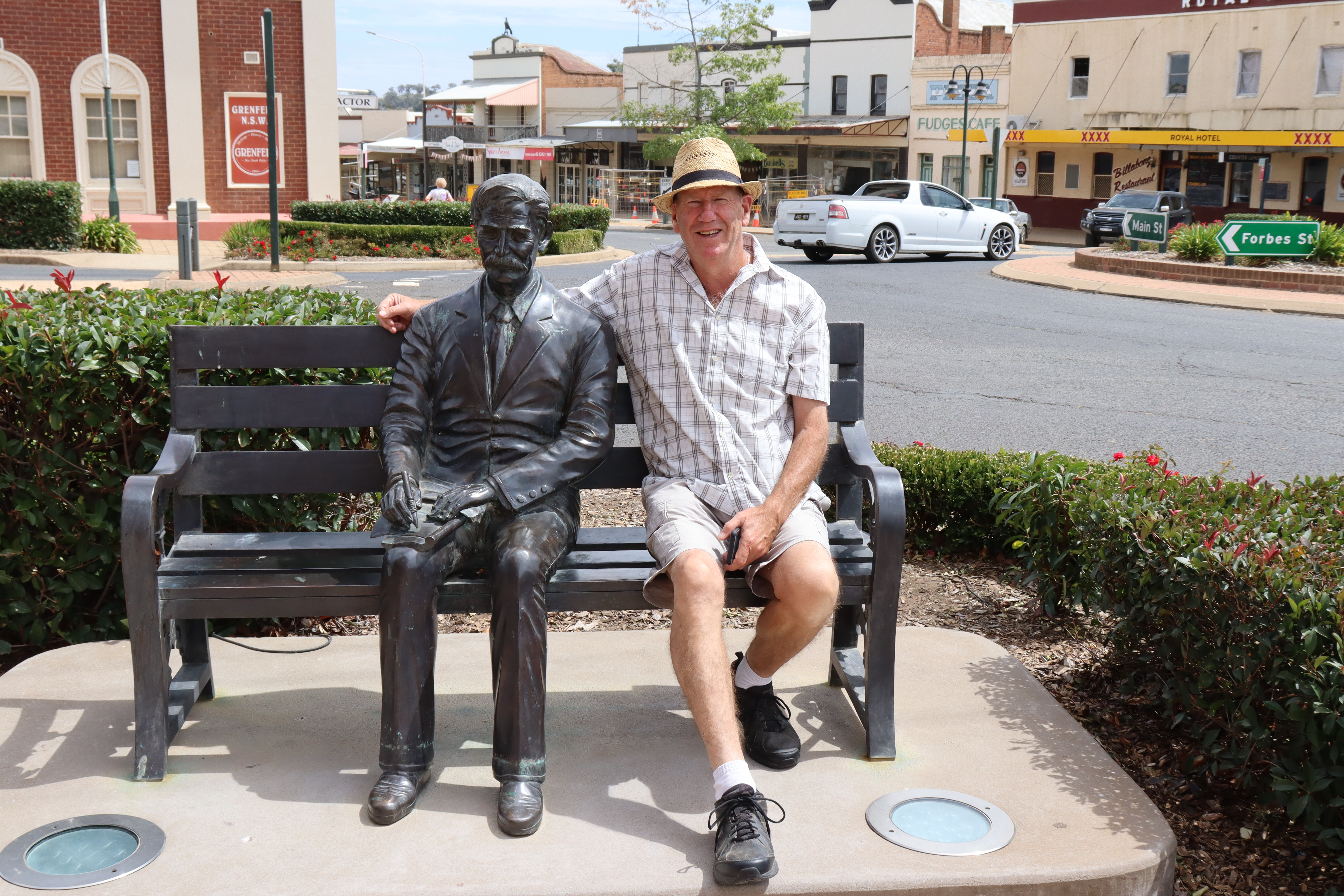
Grenfell, a town with many historic buildings, was once a gold mining town and is now noted as being the birthplace of our famous writer and poet, Henry Lawson, and therefore many monuments to the man can be found around the town. Not far from Grenfell we ventured into the Weddin Mountains National Park to walk up to Ben Halls Cave, reputedly where he and other bushrangers hid out to escape the law. Whilst in the NP we also visited Seaton’s Farm, where the Seaton family, having arrived in 1936, began farming the land and eked out an existence for over 35 years with the most primitive farming buildings and implements, mostly made from scrounged scrap materials, with nothing going to waste as there would always be a use for it.


The Seaton Homestead 
Jim Seaton kept EVERYTHING
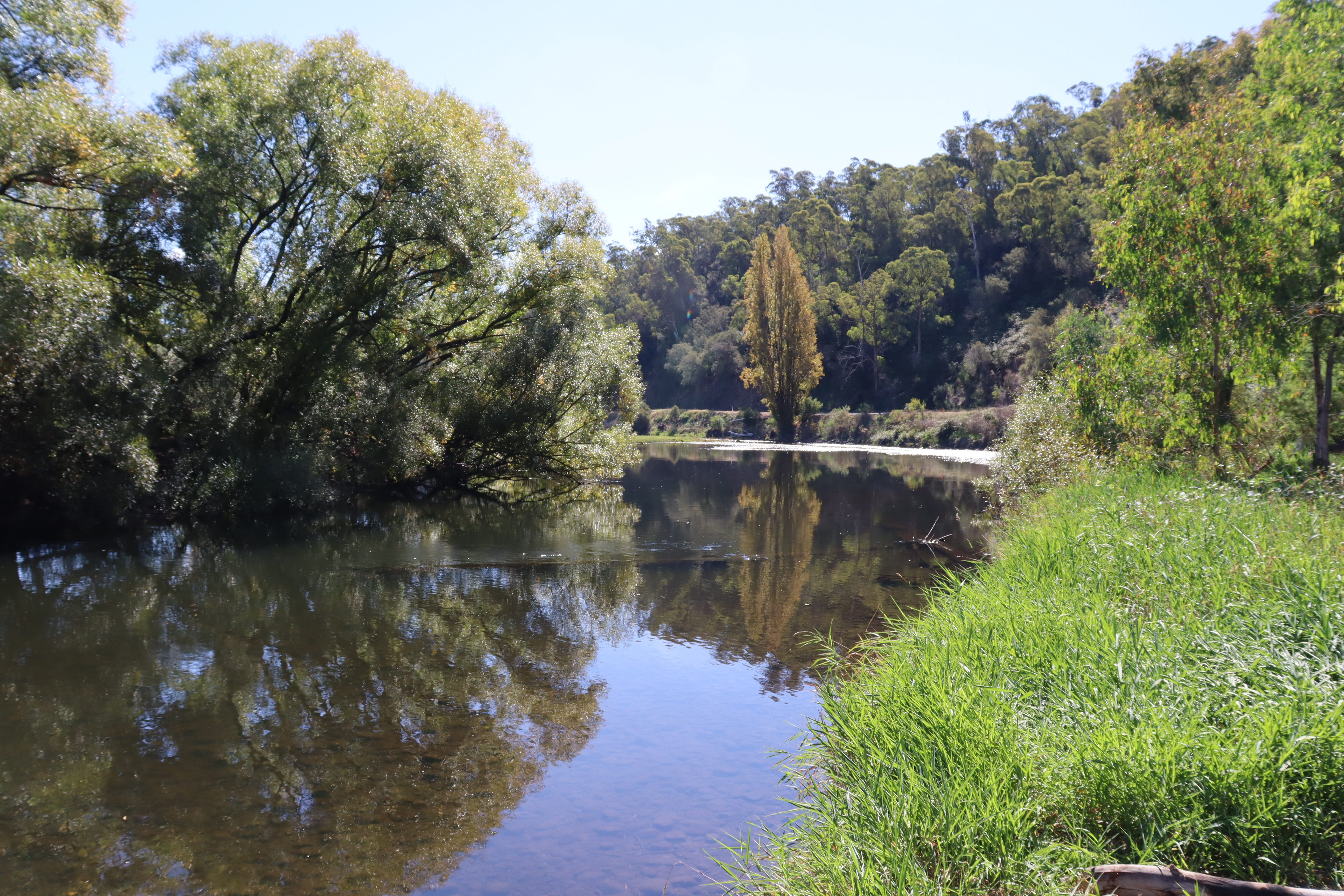
Passing through several small towns before crossing the Murray and back into Victoria at Jingellic, we headed for the Omeo Highway to take us southward to Mitta Mitta, where we camped in a lovely campground just out of town on the banks of the Mitta Mitta River. The Katie Peters Memorial Reserve was established in memory of a young 20-year-old local woman who was tragically killed by a falling tree whilst fighting bushfires in 2013. This campground is expansive, with lots of river front sites and plenty of shade for those who need it and is well maintained, providing a night of peace and tranquility.


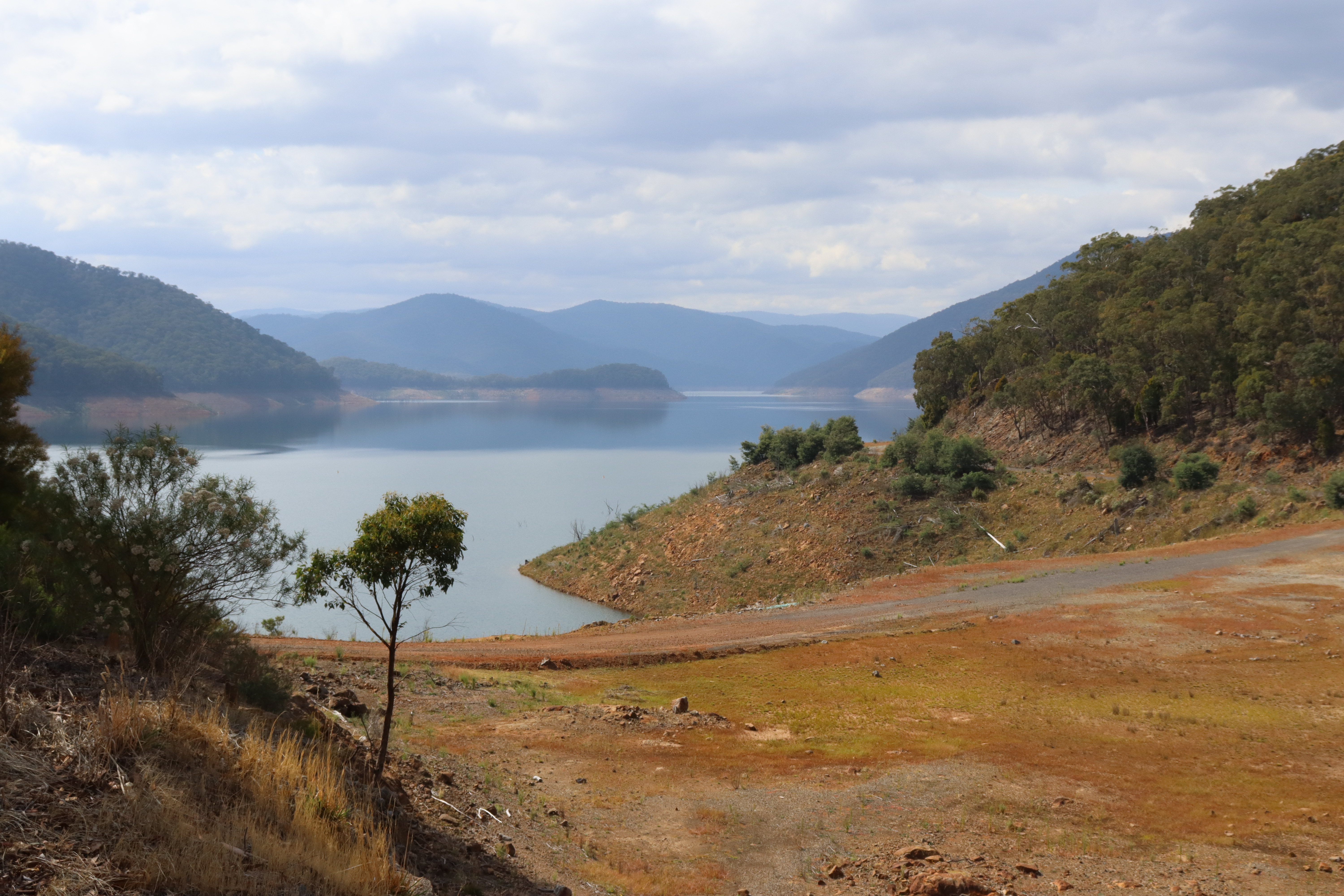
After checking out the nearby Dartmouth Dam – at 180 metres high this is the highest dam in Australia and the largest water storage in the River Murray Catchment – we continued down the Omeo Highway, enjoying forested areas and vast mountain views before turning onto the Bogong High Plains Road and back into the high country of Alpine National Park. This part of our journey proved very scenic and enjoyable with lots of stopping points along the way.



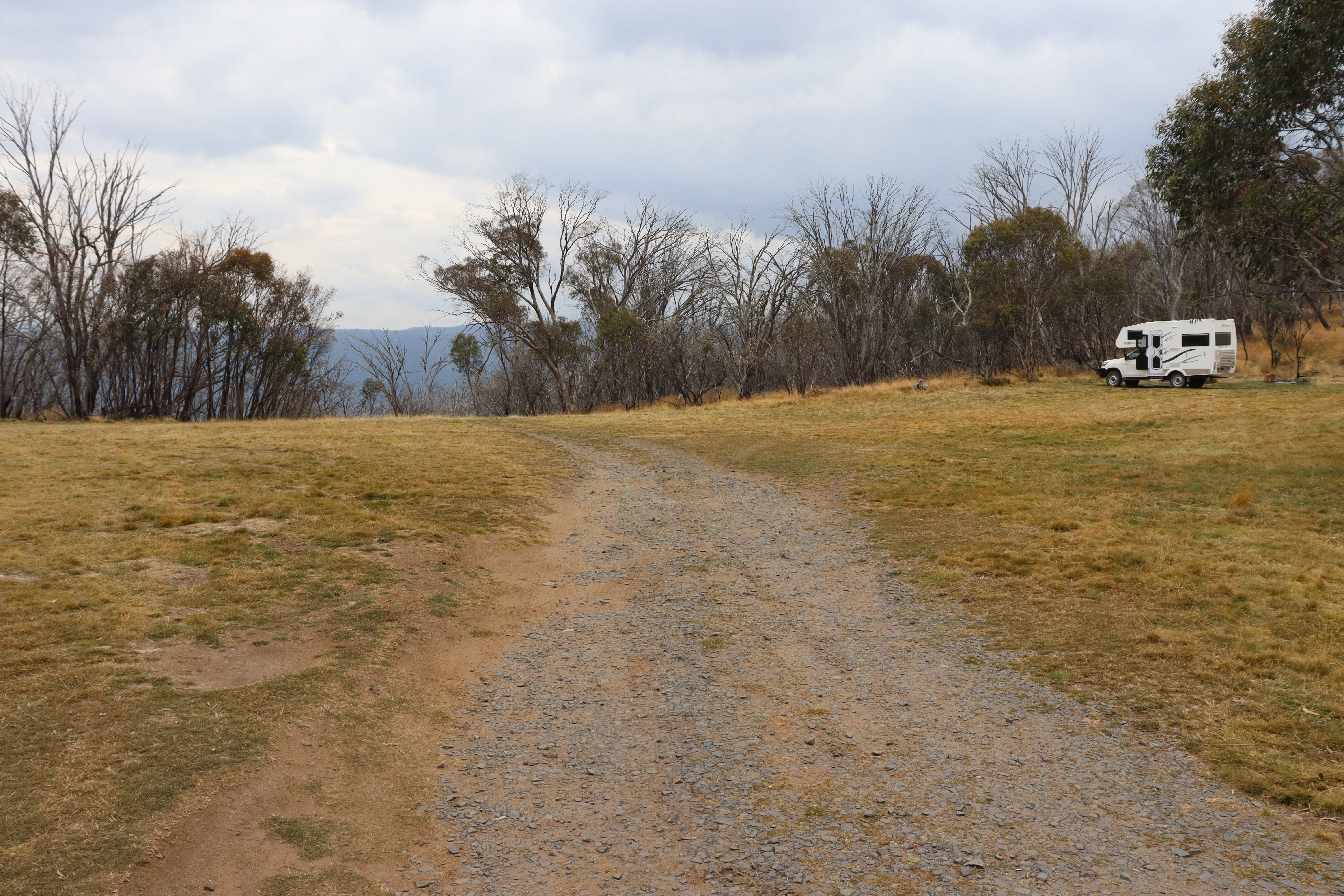
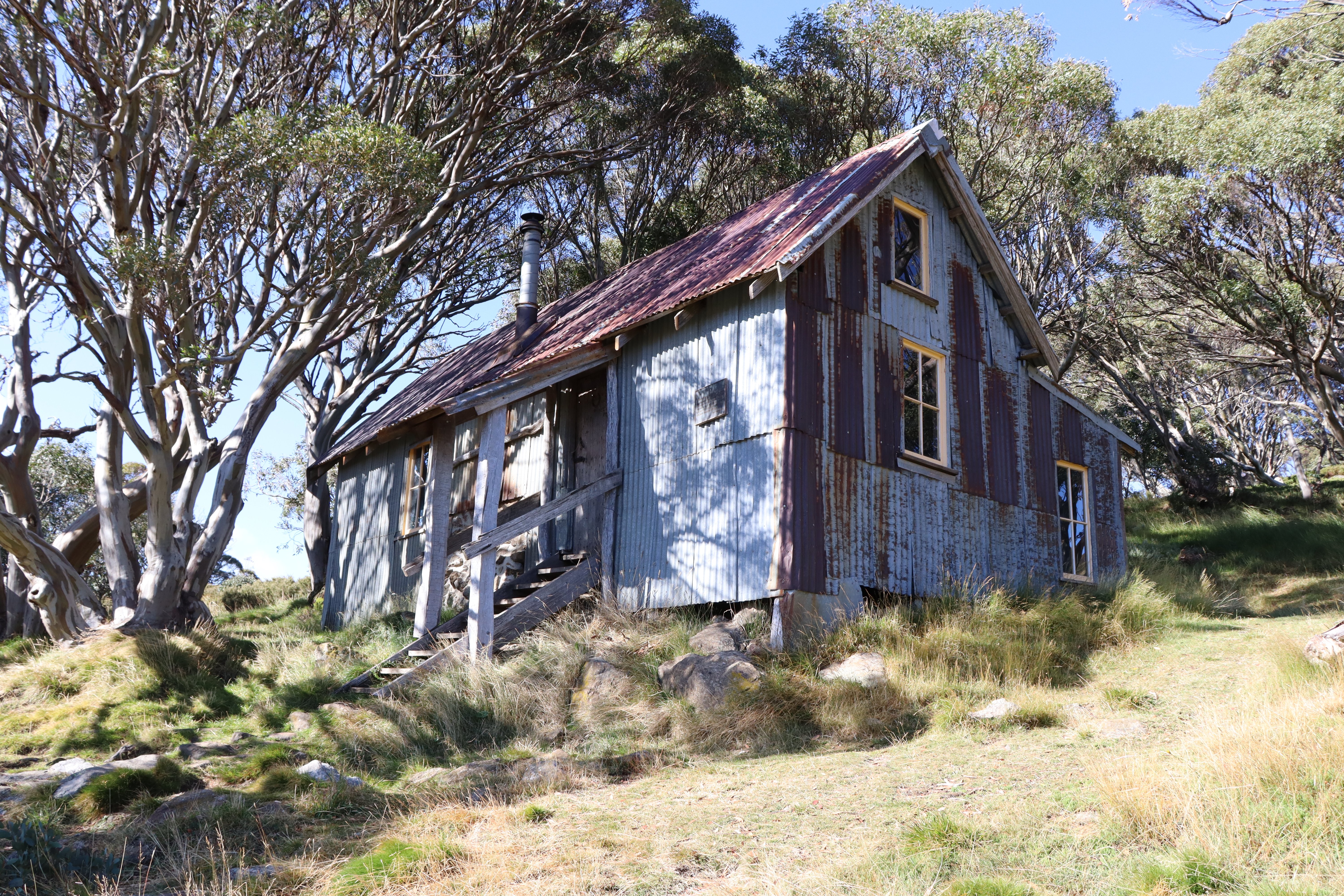
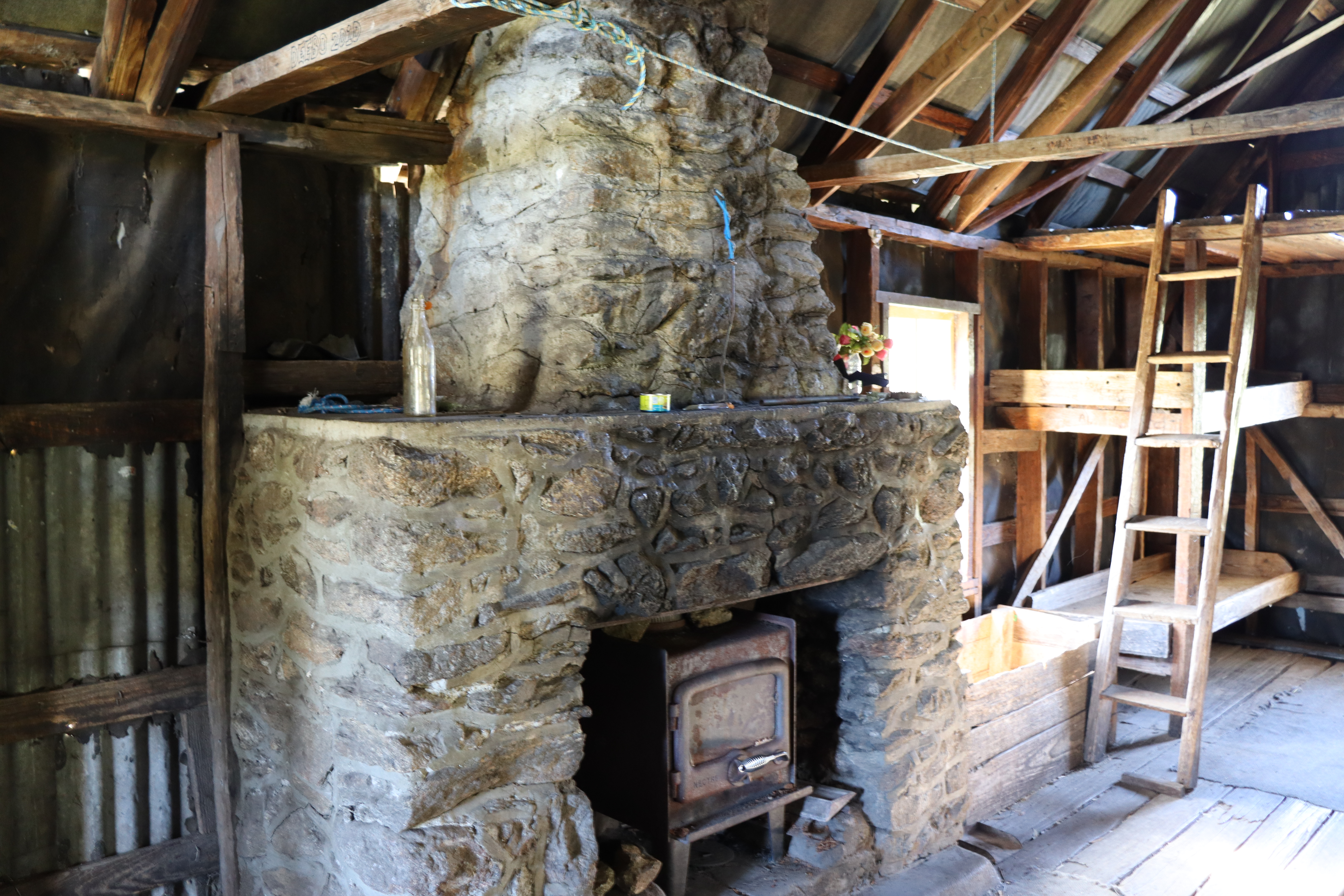
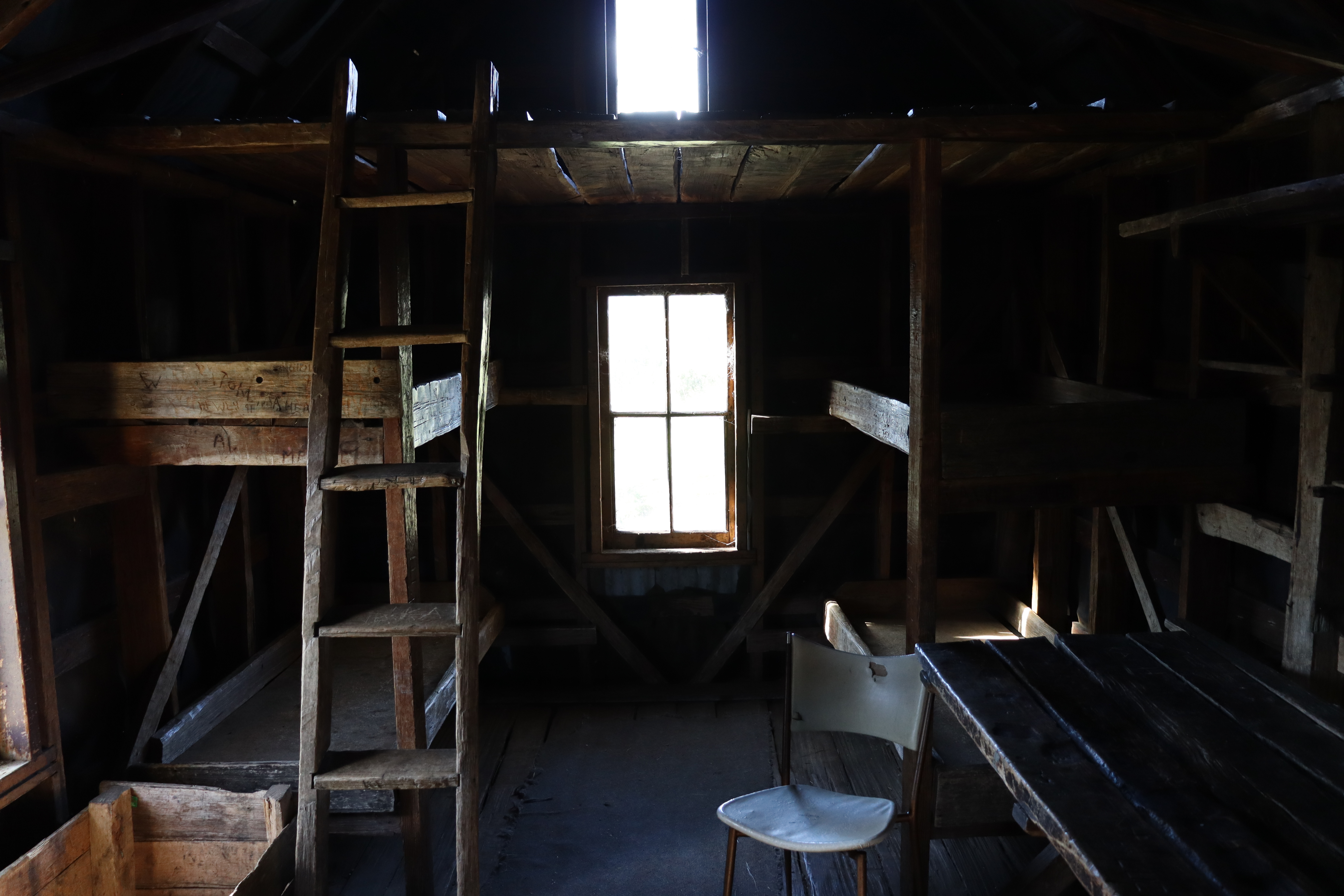
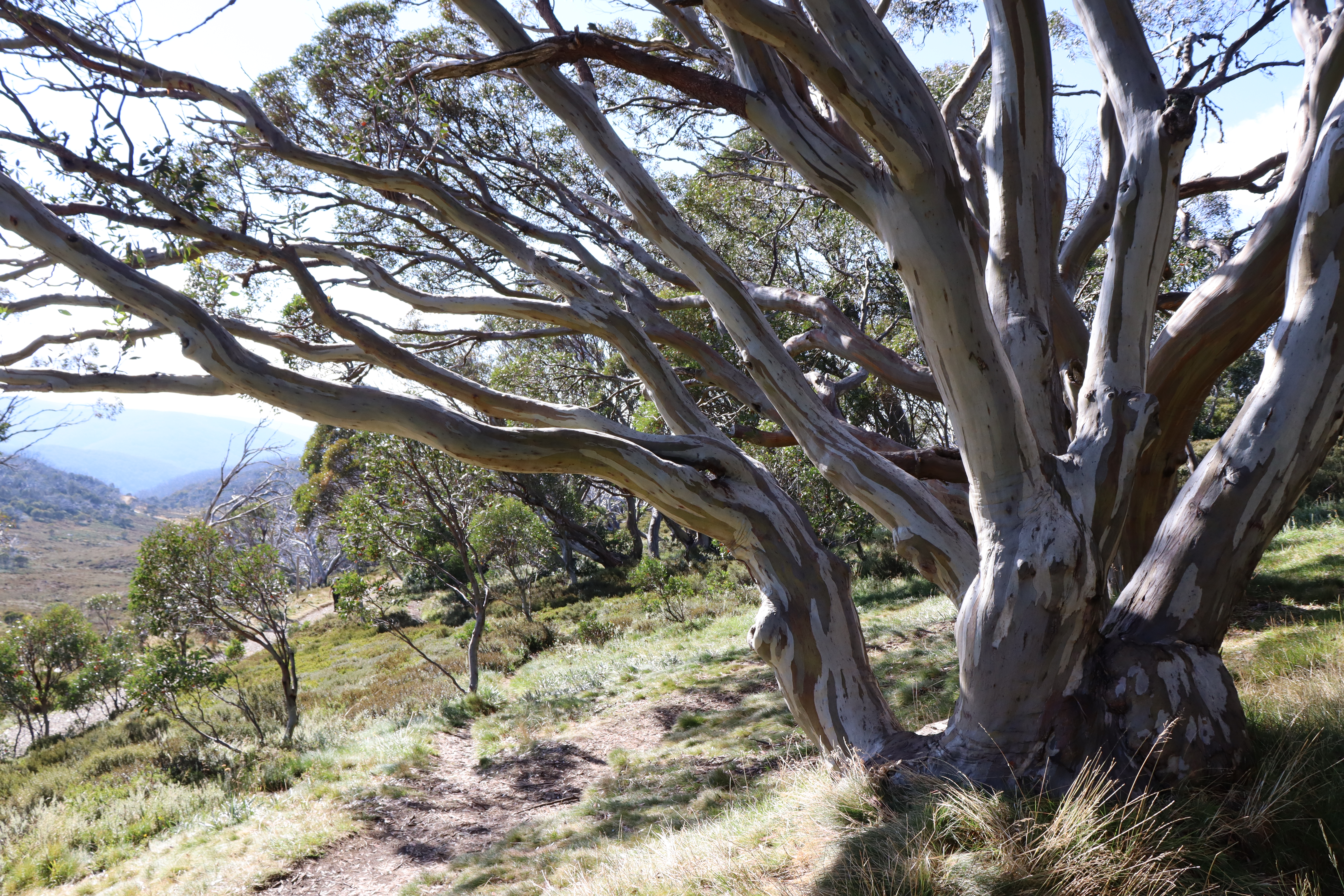
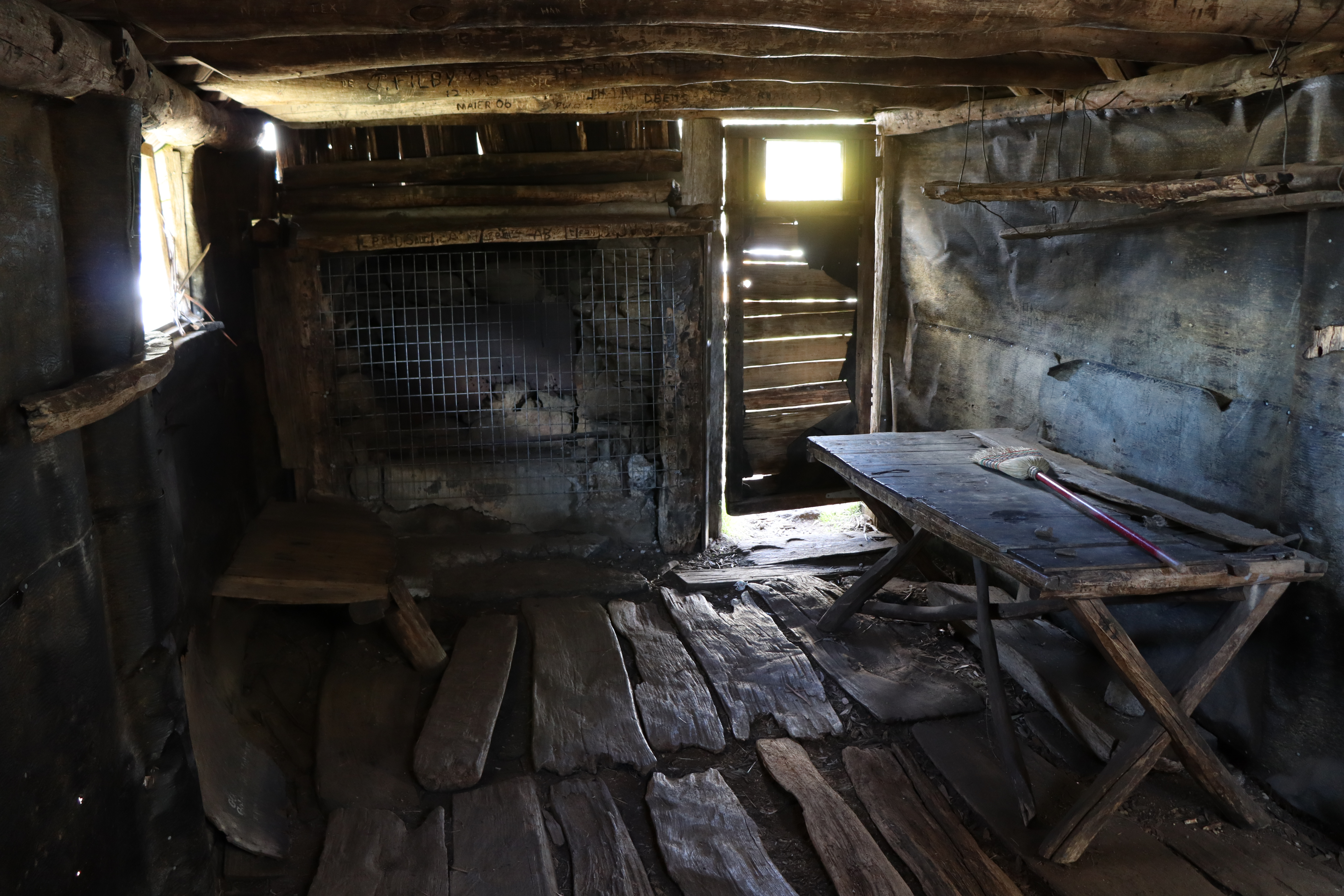
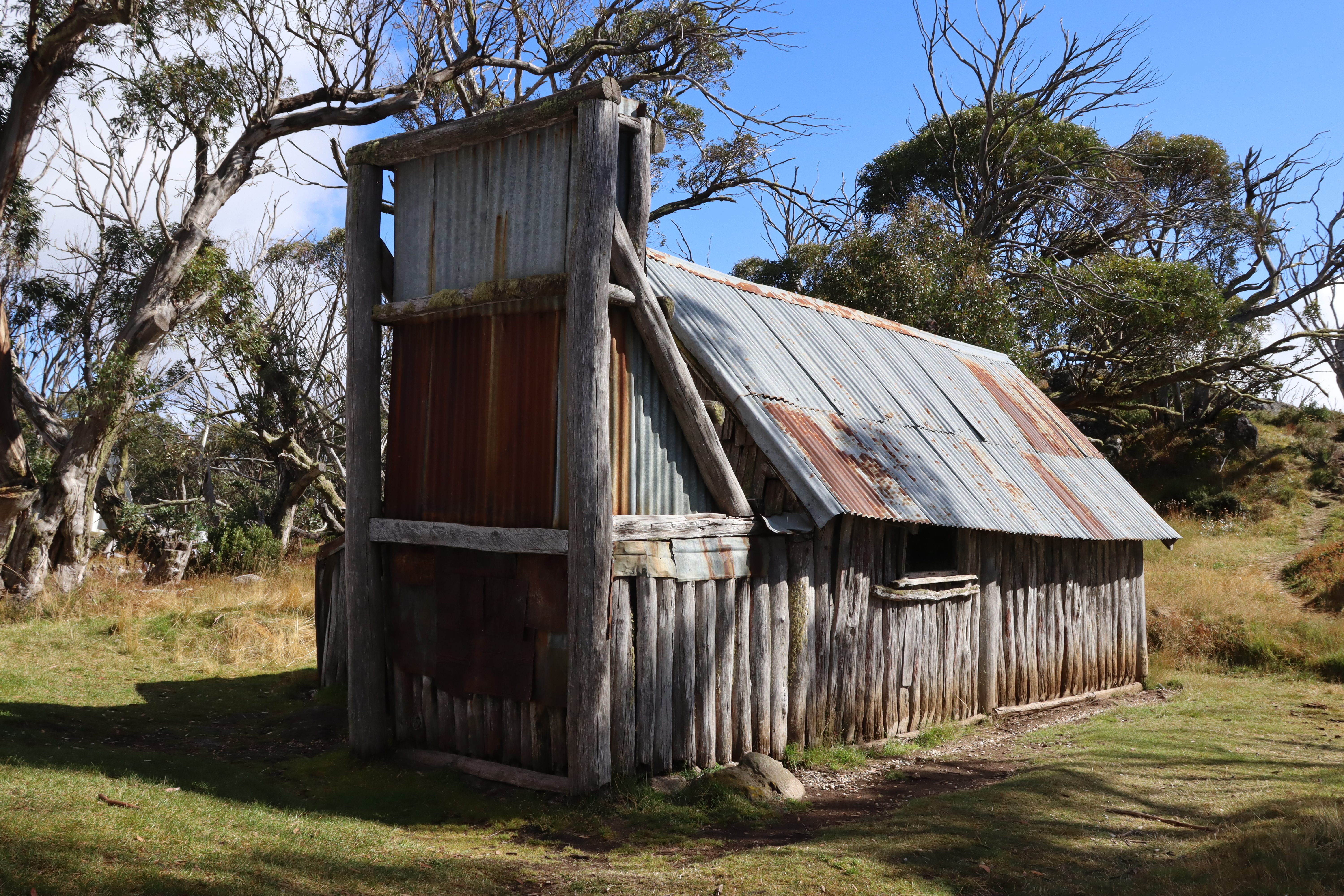
First stop was Cope Hut, built in 1929 as a stopover or rest point for cross country skiers and unlike most other high country huts, this was the first purpose-built tourist structure on the high plains. Nestled amongst the snowgums, with its welcoming fireplace, water on tap and 8 bunks, it would be a welcome relief for many a skier traversing the high country trails. A short distance away, our next visit was to Wallace’s Hut. Built by the Wallace brothers in 1889 as shelter for cattlemen from the valleys below bringing cattle up to the high plains for summer grazing, it is the oldest of the Cattlemen’s Huts still standing in the Alpine National Park and as such has been classified by the National Trust. Expecting to find this rustic building standing alone amongst the snowgums, we were somewhat surprised or even gobsmacked to be greeted with a most unexpected and surprising sight – lots of tables spread with white linen, set with fine cutlery and adorned with tall vases of roses, a host of people rushing about in the throes of organization, and a “kitchen” and a “bar” complete with a variety of wines and sparklings. Assuming this to be the setting for a high plains wedding, our looks of (apparently obvious) confusion must have been noticed by one kind lady who explained that they were gearing up for their tenth annual “Worlds Biggest Lunch” fundraiser, with about two hundred guests coming by bus from Falls Creek to enjoy the day. We hoped the imminent-looking rain held off for them!




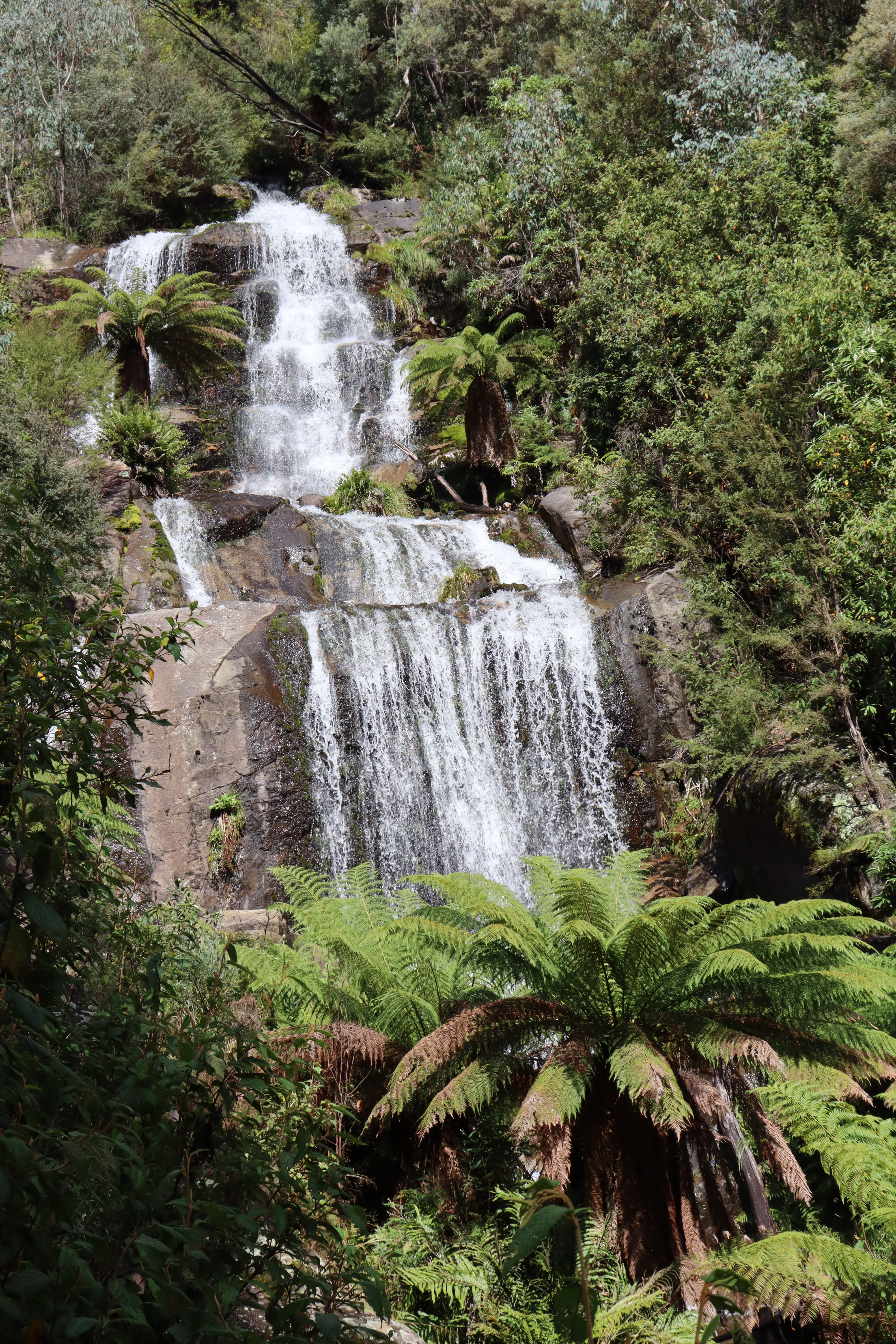
Passing by Rocky Valley Dam and through Falls Creek village, we came to Fainter Falls with its short trail down to a lookout and about 200 metres of steep steps to a better, closer viewpoint of these impressive waterfalls cascading about 60 metres over several tiers surrounded by tree ferns.

From there we headed through Mt Beauty and Harrietville to Danny’s Lookout at Mt Hotham, before backtracking to the Dargo High Plains Road which took us back down out of the high country and back to civilization and home after travelling almost 2800 kilometres in our two weeks away.


Happily, Roxy is proving to be comfortable and reliable.
WTF?
- On a hot Melbourne day, were looking forward to a nice cold milkshake, so into the ice-cream/milkshake shop we went. “Sorry we only have soy or almond milk – ran out of normal milk this morning!” This was around 3pm – what – they haven’t had time to go get some more??
- Woman drives into the National Park campground and lets out her three large dogs, none of them on leash and one promptly disappears. After we commented on her irresponsibility, she argued that she didn’t know dogs weren’t allowed. Who, unless they are a complete idiot, doesn’t know that???
- Carcour Dam – why are there steps and ladders leading to the bottom or the dam and across the spillway?
- Those beautifully dressed tables at Wallaces Hut! (no words!)
 Tabers Travels